
Activist Pressure Could Reshape Kinder Morgan Class P Capital Allocation and Governance
- JCP's deep‑value activism increases scrutiny on Kinder Morgan Class P's capital allocation and governance. • Activists may press Kinder Morgan Class P to sell assets, restructure deals, revise fees, cut costs, and adjust dividends. • Kinder Morgan Class P must improve transparency on capex plans, project economics disclosure, and succession planning for operations leadership.
Activist pressure could reshape Kinder Morgan Class P’s capital allocation and governance
JCP Investment Management’s recent regulatory filings are drawing attention among midstream executives and investors for their emphasis on deep‑value activism, and Kinder Morgan Class P is among the type of companies likely to face scrutiny. JCP’s approach combines forensic balance‑sheet analysis with targeted engagement and, when needed, formal tactics such as 13D filings, board nominations or the threat of litigation. For a pipeline operator whose value largely sits in long‑lived contracts and fee‑based cash flows, that playbook highlights opportunities and vulnerabilities in how management deploys capital, sets dividends and manages non‑core assets.
For Kinder Morgan Class P, which operates extensive natural gas and liquids transportation and storage networks, the immediate implications centre on the firm’s flexibility to unlock value without undermining operations. Activists typically press for asset sales, joint‑venture restructurings, fee‑structure reviews and tighter cost controls — moves that can accelerate value realization in asset‑heavy businesses. Because midstream companies trade on predictable cash yields, JCP’s scrutiny could force Kinder Morgan to re‑examine contract terms, prioritize higher‑return projects, reduce leverage or reconfigure dividend policy to better reflect long‑term maintenance needs and growth investments.
Boards and management teams at pipeline operators respond to such pressure by balancing operational continuity, regulatory obligations and investor returns. Kinder Morgan faces particular governance choices around transparency on capital expenditure plans, disclosure of project economics and succession planning for pipeline and terminal leadership. Engagements with activists also tend to prompt independent reviews or strategic committees, and in some cases lead to negotiated settlements that leave core operations intact while delivering clearer capital‑allocation frameworks and potentially streamlined portfolios.
Sector context: commodity and throughput drivers
Rising crude benchmarks and divergent natural gas futures are changing throughput patterns across midstream networks: higher oil prices lift liquids transport demand and refinery feedstock flows, while weaker gas prices can compress takeaway economics and shift incremental capacity needs. Those dynamics affect toll revenue composition and project prioritization for firms like Kinder Morgan.
Macro and regulatory backdrop
Upcoming macro prints — including Q4 GDP and personal income data — and evolving U.S. energy and environmental policy continue to shape demand outlooks and permitting risk for pipeline projects. Such factors, combined with activist pressure, are increasing the urgency for Kinder Morgan to articulate a resilient, capital‑efficient strategy.
Related Cashu News
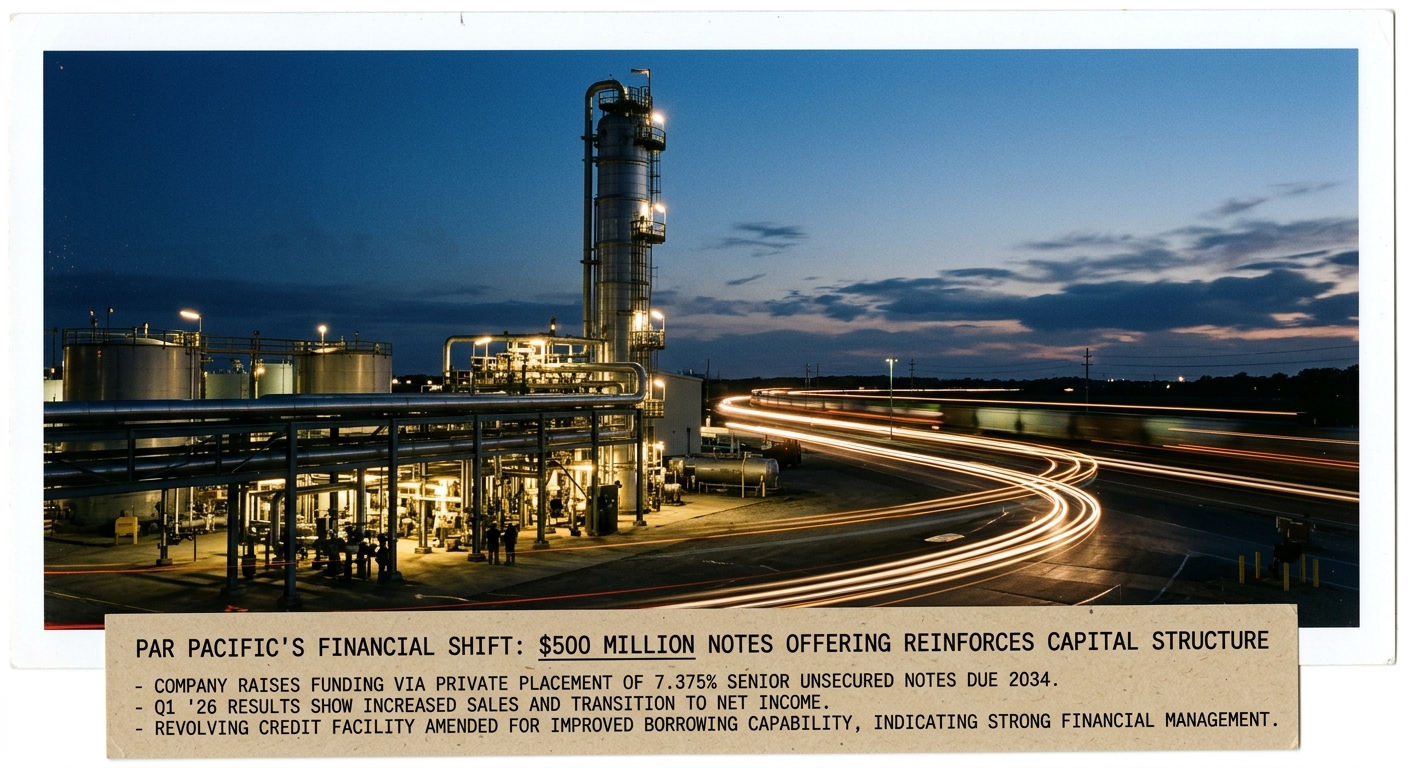
Par Pacific Strengthens Capital Structure with $500 Million Notes Offering and Improved Financial Performance
Par Pacific Holdings, Inc. has recently strengthened its capital structure by completing a $500 million private placement of 7.375% senior unsecured notes, which are set to mature on June 1, 2034. Thi…
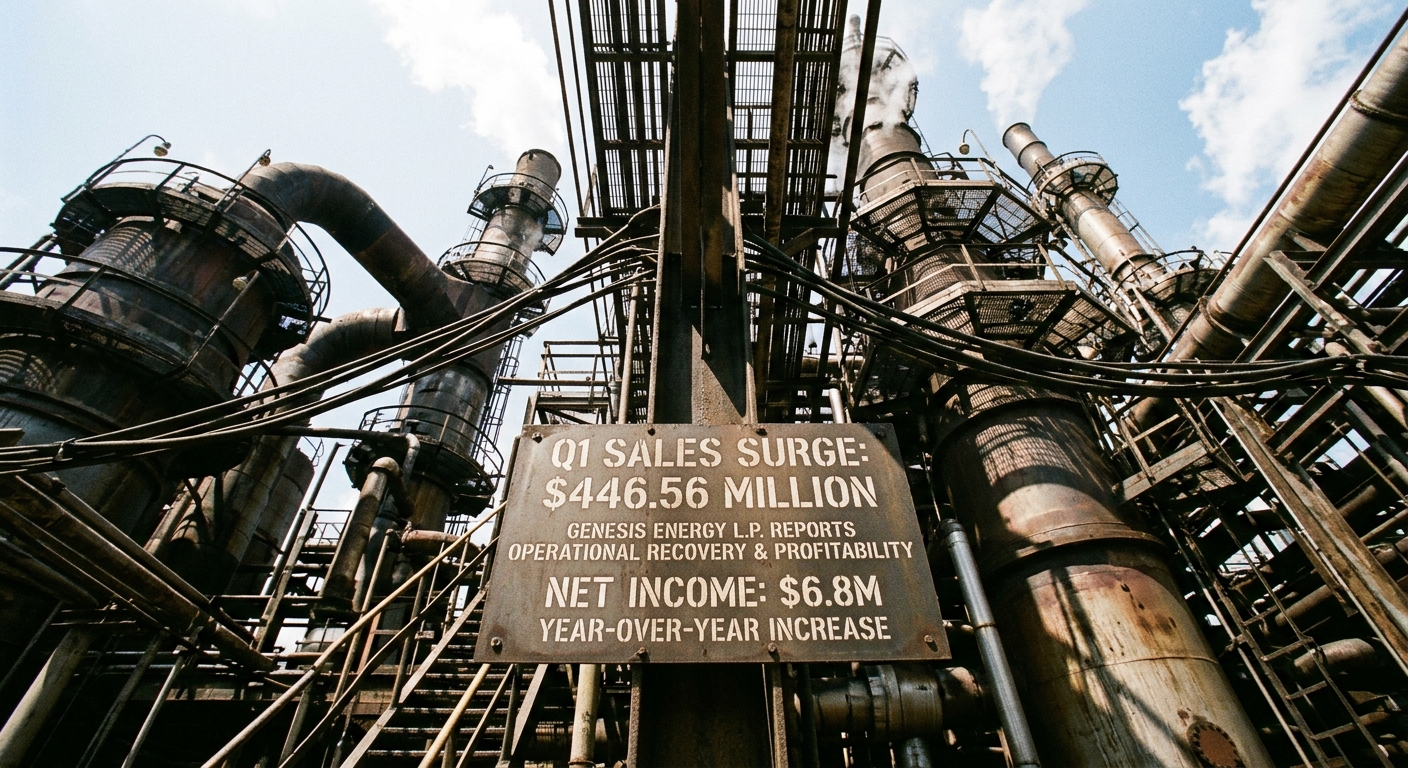
Genesis Energy L.P. Reports Q1 Profitability Surge with $446.56 Million in Sales
Genesis Energy L.P. (Ticker: UNDEFINED) announces its first-quarter financial results, signaling a resurgence in profitability and operational performance. The company reports total sales of $446.56 m…

Nordic American Tankers Finalizes New Leasing Contracts to Strengthen Cash Position and Dividends.
Nordic American Tankers (Ticker: NAT) has recently marked a significant milestone by finalizing multiple new vessel leasing contracts in a favorable tanker market. This strategic move is aimed at rein…

Marine Petroleum Trust Announces Quarterly Distribution Amid Fluctuating Energy Sector Conditions
Marine Petroleum Trust (Ticker: MARPS) announces a quarterly cash distribution of $0.096470 per unit, reflecting a decrease compared to prior distributions. This development highlights the trust's ong…