
AI Data‑Center Demand Boosts Teradata Outlook Amid Infrastructure Spending and Competitive Risks
- AI data-center spending boosts demand for Teradata's scalable analytics, hybrid-cloud platforms, and professional services.
- Teradata can win by emphasizing performance, workload management, hybrid-cloud portability, and partnerships for GPU-heavy, distributed storage.
- Competition from hyperscalers and large vendors, plus lumpy AI-driven demand, forces Teradata to differentiate on governance, migration, flexibility.
Data‑center demand lifts outlook for enterprise analytics vendors such as Teradata
Companies across industrial and infrastructure sectors are accelerating moves into AI‑focused data‑center markets, a development that strengthens demand for analytics platforms and services offered by firms like Teradata. BorgWarner announces several deals to enter the AI data‑center market and plans to supply turbine generators with production slated to begin in 2027, while Vertiv reports orders accelerating sharply in the fourth quarter and issues upbeat 2026 guidance driven by data‑center spending. Generac also flags growth in its data‑center business and expects a backlog from hyperscalers, underscoring that large cloud customers and AI workloads are driving infrastructure purchases beyond traditional IT cycles.
For Teradata, the shift toward higher density compute and bespoke data‑center deployments creates opportunities to sell scalable analytics software, hybrid cloud data platforms and professional services that integrate with new hardware stacks. Enterprises and hyperscalers investing to host generative AI and other large‑model workloads require tightly coupled storage, networking and analytics layers; Teradata’s emphasis on performance, workload management and hybrid cloud portability positions it to capture a portion of that increased spend. The trend also prompts Teradata to deepen partnerships with infrastructure providers and to optimize software for emerging GPU‑heavy environments and distributed storage architectures.
Risks accompany the opportunity: hyperscalers often build in‑house analytics capabilities and large vendors offer integrated stacks that compete on price and scale, pushing Teradata to differentiate on enterprise features, data governance and migration support. Additionally, demand tied to AI projects can be lumpy and linked to capex cycles in areas such as power‑dense data‑center hardware and turbine generation, meaning Teradata must balance go‑to‑market flexibility with investments in product tuning and services to capture ephemeral procurement waves.
Regulatory and product developments bite into the broader tech landscape
Separately, Moderna says the FDA refuses to review its mRNA‑1010 experimental flu‑shot application and requests a meeting to discuss next steps, while Unity Software forecasts first‑quarter revenue below analyst consensus, highlighting ongoing product and execution challenges in parts of the software sector.
Investor attention also centers on operational turnarounds and guidance swings, with activist buying and management change hopes at Acadia Healthcare and mixed guidance outcomes prompting market reassessments of cyclical and tech companies’ near‑term prospects.
Related Cashu News
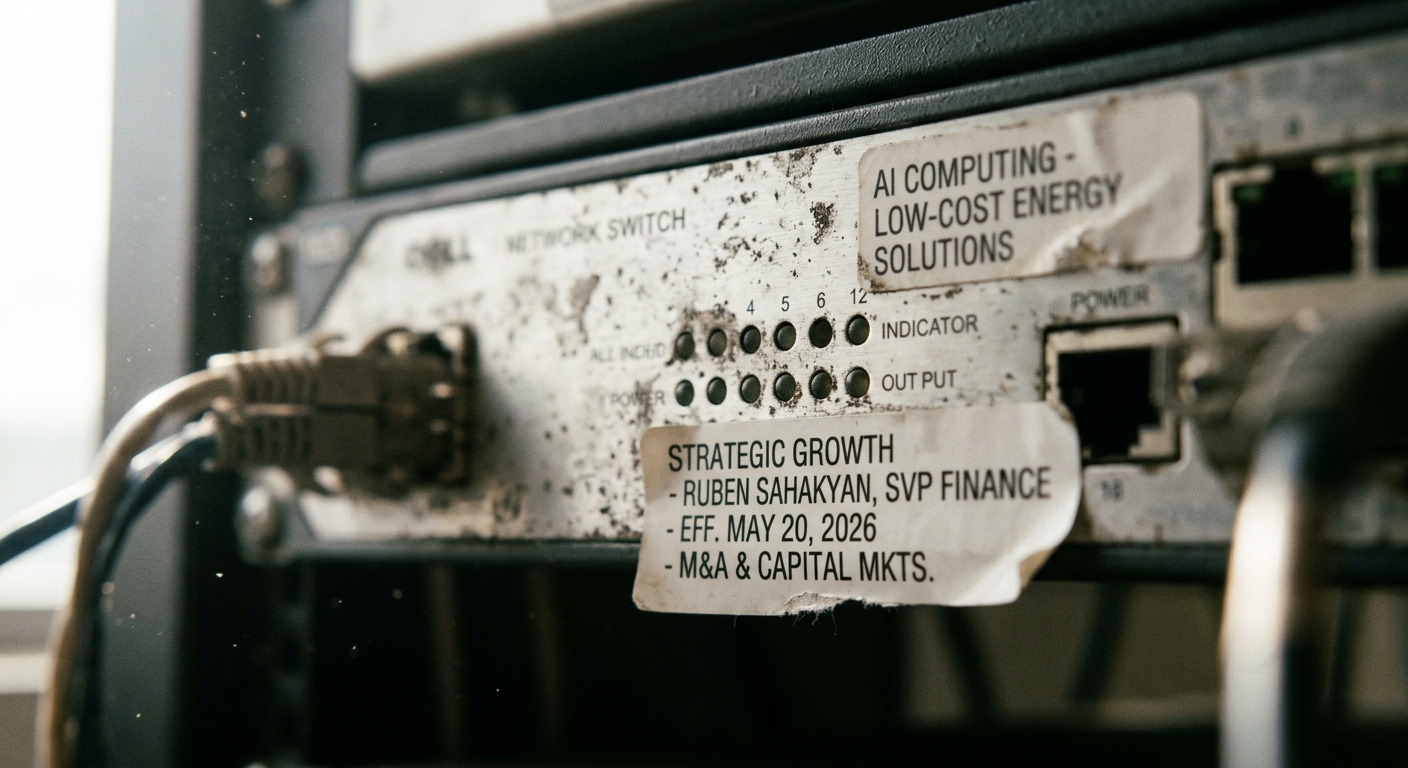
CleanSpark Appoints Ruben Sahakyan as Senior VP of Finance Amid Strategic Growth Plans
CleanSpark, Inc. (Ticker: CLSK) strengthens its leadership as it announces the appointment of Ruben Sahakyan as Senior Vice President of Finance, effective May 20, 2026. Sahakyan brings over 15 years…
GDS Holdings Sees Strong Growth Amid Rising AI-Driven Data Center Demand
GDS Holdings demonstrates strong momentum in its data center operations, particularly as artificial intelligence (AI) adoption accelerates. Recently, the company has reported a significant uptick in b…
Q2 Holdings Positioned to Capitalize on AI Opportunities in the SaaS Industry
Q2 Holdings (Ticker: QTWO) is poised to leverage emerging opportunities in the AI-driven landscape of the SaaS industry. Investor apprehensions regarding the disruptive potential of artificial intelli…
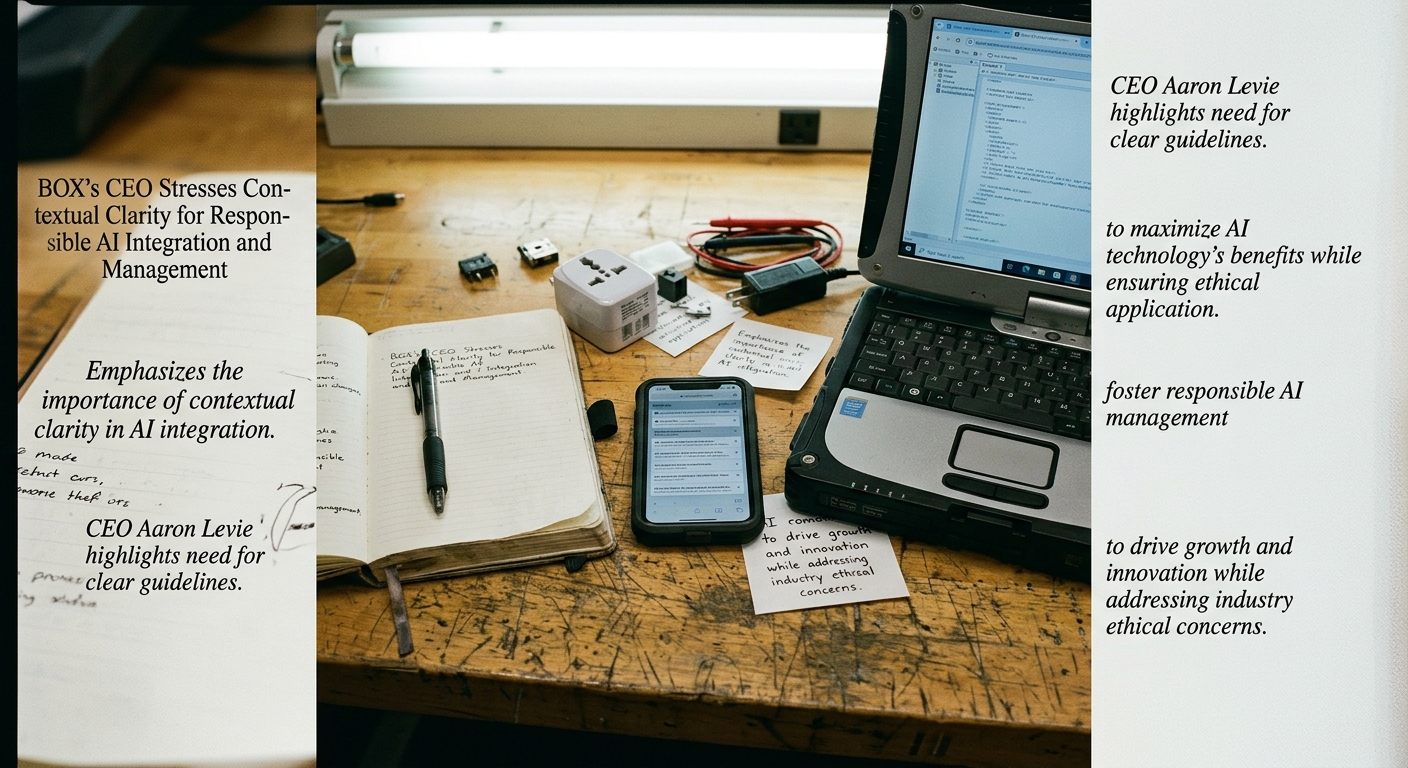
Box's CEO Stresses Contextual Clarity for Responsible AI Integration and Management
Box emphasizes the importance of context in AI integration, as outlined by CEO Aaron Levie during a recent address. His insights bring attention to the challenges companies face as they implement AI a…