
AI Scare Trade Threatens CRE Services; Jones Lang LaSalle (JLL) Confronts Model and Workflow Risk
- Jones Lang LaSalle faces scrutiny as investors worry generative AI could reshape high‑fee, deal‑oriented real‑estate services.
- For JLL, debate centers on adapting transaction mechanics and advisory models, not immediate job cuts.
- JLL faces pressure to integrate automation, adjust talent, pricing and product mix while maintaining human oversight.
AI Scare Trade Sweeps Commercial Real‑Estate Services
Jones Lang LaSalle Confronts AI‑Driven Workflow and Model Risk
Jones Lang LaSalle is facing fresh scrutiny as the commercial real‑estate services industry grapples with investor and client concern that generative AI could reshape high‑fee, deal‑oriented businesses. The sector’s recent turbulence follows the release of new tools from Anthropic designed to automate tasks across legal work, financial research and real‑estate workflows, prompting market participants to re‑examine whether brokerage, valuation and advisory activities are vulnerable to disintermediation.
For JLL, the debate focuses less on immediate job cuts than on how its transaction mechanics and advisory models adapt. Complex deal‑making relies on bespoke negotiation, regulatory navigation and fiduciary judgment — areas where analysts say AI can accelerate research, due diligence and document drafting but is less likely to fully replace high‑touch relationship management in the near term. JLL therefore faces pressure to integrate advanced automation into client servicing chains to capture efficiency gains while preserving human oversight on sensitive transactions.
The strategic implications for JLL extend to talent models, pricing and product mix. Firms that rapidly embed AI into property management, lease abstraction, valuation models and research may lower operational costs and reallocate staff to client relationship and bespoke advisory roles. At the same time, any structural employment shifts emerge gradually, and the impact on fee structures varies across subsegments, with commoditised research more exposed than bespoke capital‑markets advisory.
Market Reaction and Industry Context
Industry analysts characterise the current moves as an “AI Scare Trade,” reflecting a rapid rotation out of labor‑intensive, fee‑based services perceived as vulnerable to automation. While the market’s response is swift, several analysts caution that fears of immediate, widespread disintermediation may overstate the near‑term risk posed by current AI systems, noting issues such as model hallucinations and the complexity of large commercial transactions.
Analysts and market participants are watching how major firms including JLL respond operationally. The near‑term focus is on pilot deployments, vendor partnerships and upskilling staff to use AI tools for efficiency, rather than wholesale replacement of advisory roles. Over time, uneven valuation effects across subsegments will depend on how quickly firms translate AI capabilities into differentiated client offerings and maintain trust in complex deal environments.
Related Cashu News

Kennedy-Wilson Holdings Under Investigation Over Alleged Fiduciary Duty Breaches in Recent Sale
Kennedy-Wilson Holdings (Ticker: KW) is facing scrutiny amid an investigation by Halper Sadeh LLC, a law firm focused on investor rights. The firm is probing potential breaches of fiduciary duties rel…

Zillow Study Reveals Financial Risks of Real Estate Practices for Home Sellers
Zillow Group (Ticker: UNDEFINED) reveals substantial financial risks for home sellers who utilize certain real estate practices, emphasizing the significant impact of agency representation and market…
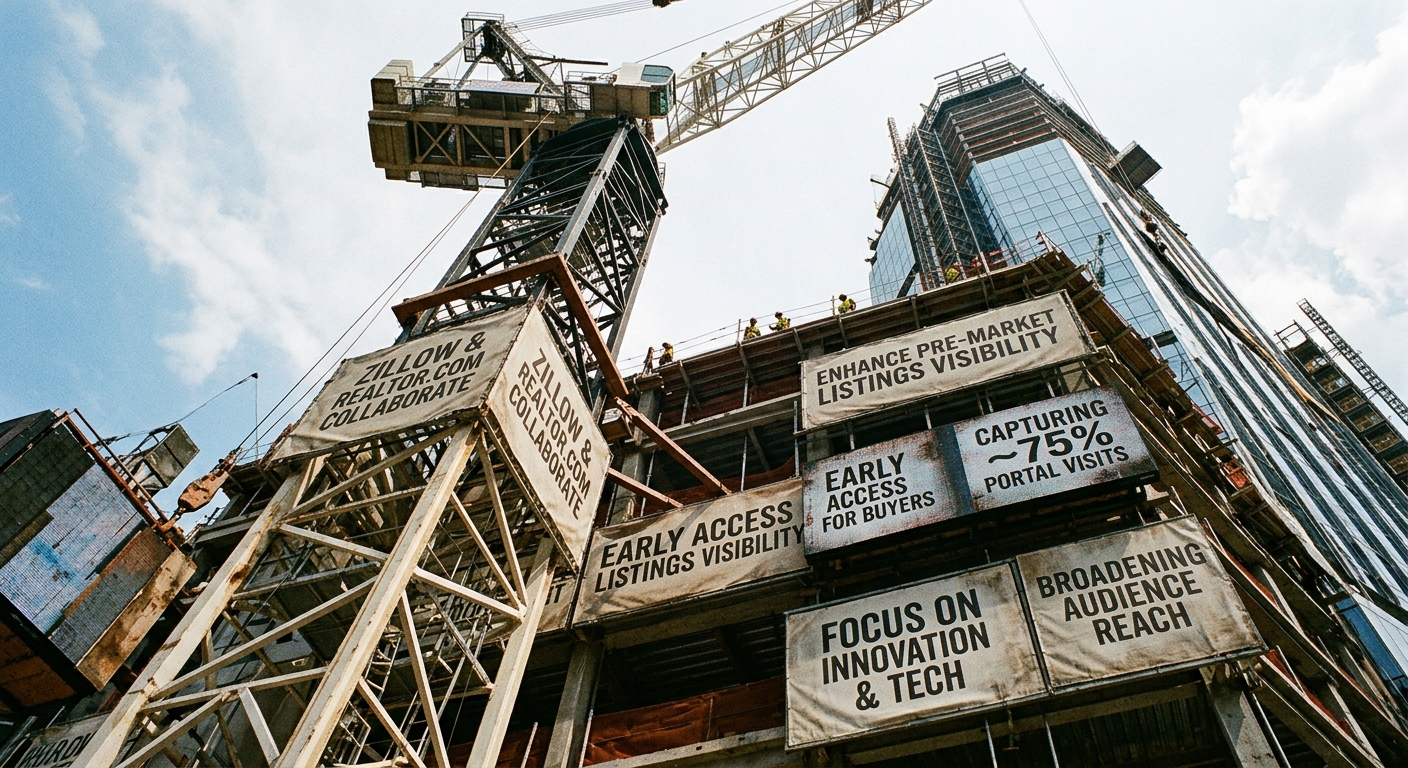
Zillow and Realtor.com Collaborate to Enhance Pre-Market Home Listings Visibility
Zillow Group and Realtor.com Form Strategic Alliance Zillow Group and Realtor.com have announced a strategic collaboration to enhance pre-market home listings visibility, a significant development in…

CBRE Group Forecasts Surge in Commercial Real Estate Transactions Driven by AI Adoption
CBRE Group (NYSE:CBRE), a leading global commercial real estate services firm, is predicting a substantial increase in commercial real estate transaction volumes between 2026 and 2027, thanks to the r…