
Airlines Face Challenges Amid Rising Energy Prices and Government Shutdown Concerns
- Capital Southwest is navigating increased operational costs due to surging jet fuel prices and geopolitical tensions.
- U.S. airlines, including Capital Southwest, may need to raise ticket prices by at least 11% to offset rising expenses.
- The airline industry faces significant challenges, balancing rising costs and operational efficiency amid ongoing geopolitical instability.
Energy Price Surge Poses Significant Challenges for Airlines
The airline industry is currently navigating turbulent waters as rising global energy prices weigh heavily on operational costs, especially jet fuel. Recent geopolitical tensions, particularly in the Strait of Hormuz, have resulted in Brent crude oil prices exceeding $100 per barrel, marking a significant increase in fuel costs. This sharp rise in energy prices directly impacts U.S. airlines, with experts estimating that ticket prices may need to increase by at least 11% to compensate for the surging expenses. As airlines like Southwest Airlines adapt to these challenges, they find themselves in a precarious position where strategic adjustments are essential for maintaining profitability amidst volatile external factors.
As jet fuel represents a considerable portion of operational costs, airlines are now compelled to reevaluate their pricing strategies. Major international carriers, including Qantas and Scandinavian Airlines, have already begun raising their fares in response to rising fuel expenditures, with Thai Airways announcing upcoming ticket price hikes of 10% to 15%. U.S. airlines are expected to follow suit as they confront the financial repercussions of this energy price escalation. United Airlines and Cathay Pacific have both voiced their concerns, acknowledging that the high cost of oil will have profound implications for their operational strategies moving forward.
The tipping point appears near for U.S. carriers, as the convergence of rising energy costs and geopolitical instability creates uncertainty within the airline sector. In particular, the ongoing Middle East conflicts serve as a warning signal for airlines that must prepare for increased operational costs and adjust their business models accordingly. While these price hikes may initially concern consumers, they reflect the need for airlines to operate sustainably amid external pressures that threaten profitability and operational viability.
Industry Struggles Amid Government Shutdown
Concurrent with rising fuel prices, the airline industry grapples with the complications of a government shutdown affecting the Transportation Security Administration (TSA). Denver International Airport has initiated a program to support unpaid TSA workers amid this crisis, urging travelers to donate gift cards for groceries and gas. Airline CEOs have criticized the situation, urging lawmakers to prioritize funding the Department of Homeland Security to avoid future payroll disruptions, highlighting the challenging intersection of government policy and aviation operations.
The ongoing turmoil within the airline industry underscores the fragile balance that exists between federal funding and operational effectiveness, particularly as domestic air travel demand grows. Airlines face elongated security wait times due to TSA staffing shortages, creating further strain on travelers and the overall travel experience. The situation calls for immediate attention from lawmakers to ensure that the aviation sector can maintain efficiency, especially during peak travel seasons.
Related Cashu News

Blackstone Mortgage Trust Launches $450 Million Senior Secured Notes for Financial Stability
Blackstone Mortgage Trust (Ticker: UNDEFINED) has initiated a private offering of US$450 million in senior secured notes due in 2031, marking a strategic move to strengthen its capital structure. This…
![AllianceBernstein Partners with Brookfield and Carlyle to Launch ABC [ONE] Retirement Solution.](https://firebasestorage.googleapis.com/v0/b/cashuapplication.appspot.com/o/cashuNewsData%2Fe612a612bbd7a184b952afc6b0cafecacfe232d3%2Fnews_e612a612bbd7a184b952afc6b0cafecacfe232d3.png?alt=media&token=019545694f4417154e316de7809f1ae8)
AllianceBernstein Partners with Brookfield and Carlyle to Launch ABC [ONE] Retirement Solution.
AllianceBernstein Holding L.P. (Ticker: UNDEFINED) collaborates with Brookfield Asset Management and Carlyle to launch an innovative retirement solution, ABC [ONE], aimed at enhancing asset class dive…
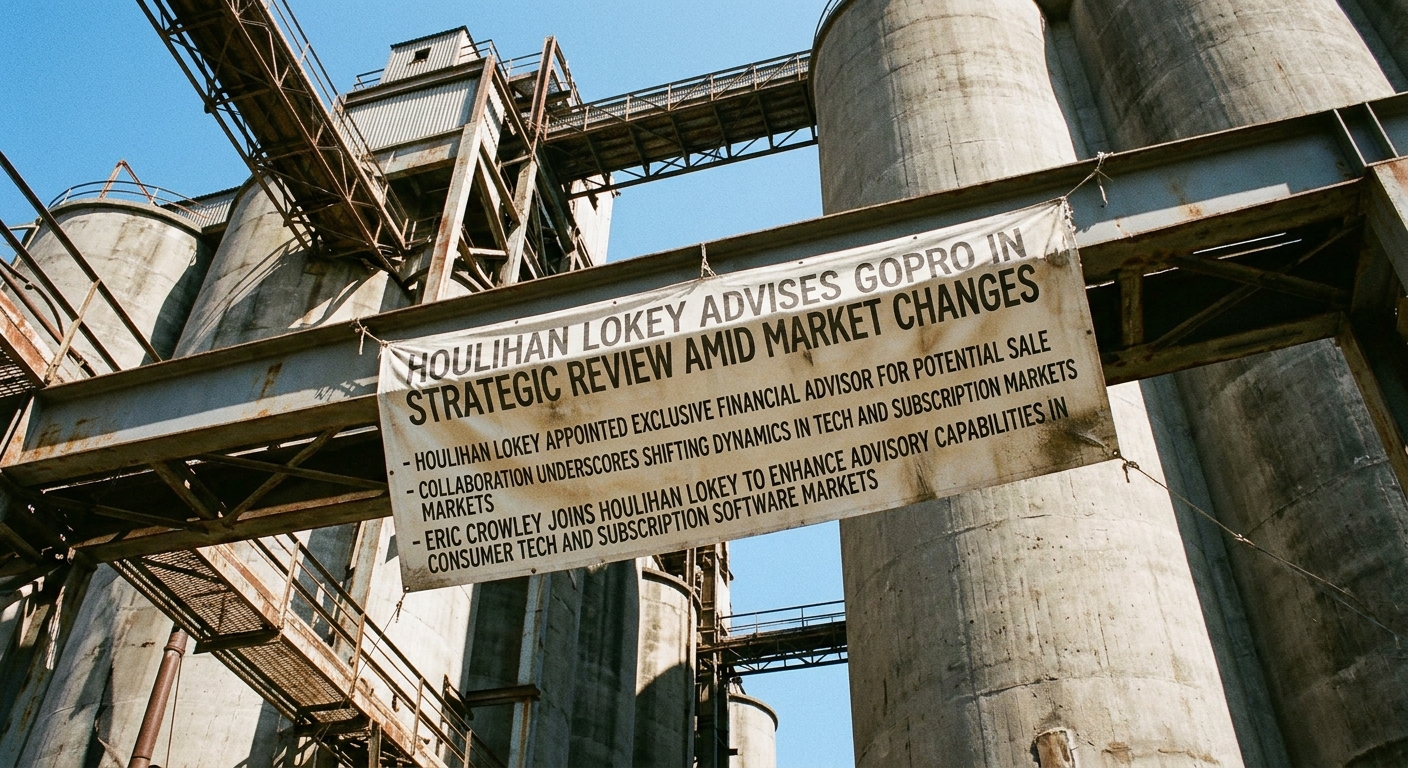
Houlihan Lokey Advises GoPro in Strategic Review Amid Market Changes
Houlihan Lokey (Ticker: HLI) has recently been appointed as the exclusive financial advisor to GoPro, a well-known consumer electronics company. This appointment marks a pivotal moment as GoPro embark…

Federated Hermes Announces Steve Chiavarone as New Chief Investment Officer for Global Equities
Federated Hermes, Inc. (Ticker: UNDEFINED) undergoes a pivotal leadership transition with the appointment of Steve Chiavarone, CFA, as its new Chief Investment Officer for Global Equities, effective S…