
Analysts Split on EQT’s Operational Outlook Amid Execution, Price and Emissions Concerns
- Analysts are sharply split on EQT’s outlook, citing divergent views on operations, commodity exposure, and balance sheet.
- EQT’s upside tied to cost cuts, well optimization, Marcellus/Utica value; risks include production, permitting, and financing.
- EQT’s quarterly production, reserve updates, capex pacing and emissions disclosure will drive analyst revisions.
Analyst Split Puts Spotlight on EQT’s Operational Outlook
Analysts are issuing sharply mixed assessments of EQT Corp., reflecting divergent readings of the company’s operational performance, commodity exposure and balance-sheet strength. Over the last quarter eight analysts publish recommendations that range from bullish to bearish, with differences traced to contrasting assumptions about gas price trajectories, production and reserve trends, and the company’s ability to execute cost and efficiency programs. The split highlights an unsettled professional view of the largest U.S. natural gas producer by reserves.
Supportive analysts point to potential upside from operational improvements and disciplined capital allocation. They cite EQT’s opportunities to squeeze costs, optimize well performance and extract value from its Marcellus and Utica acreage as drivers of stronger free cash flow if natural gas prices remain supportive. Conversely, bearish analysts flag production execution risks, regulatory headwinds on methane emissions and state-level permitting, and the potential for financing pressures if cash generation falls short of plan. Those analysts also underscore model differences in reserve life assumptions and commodity hedging strategies that produce materially different outlooks.
The divergence is intensifying focus on EQT’s near-term disclosures and management cadence. Analysts stress that quarterly production and reserve updates, capital expenditure pacing and operational metrics such as downtime and well productivity will be decisive in reconciling views. In this environment, EQT’s communications on cost controls, environmental compliance and portfolio optimisation carry heightened weight for how analysts reshape forecasts and narratives about medium-term operating momentum.
Other angles analysts highlight
Industry observers note that the split among analysts is not purely about short-term price moves but stems from structural questions in the gas sector — notably the balance between domestic supply growth, LNG demand, and pipeline takeaway capacity. Those factors feed directly into differing long-term cash flow scenarios used in analyst models.
What emerges is a call for granular disclosure. Analysts say they are watching management commentary, regulatory filings and production details closely, and expect updates on operational execution and emissions management to be pivotal in the coming weeks as they reassess EQT’s trajectory in a fragmented analyst landscape.
Related Cashu News
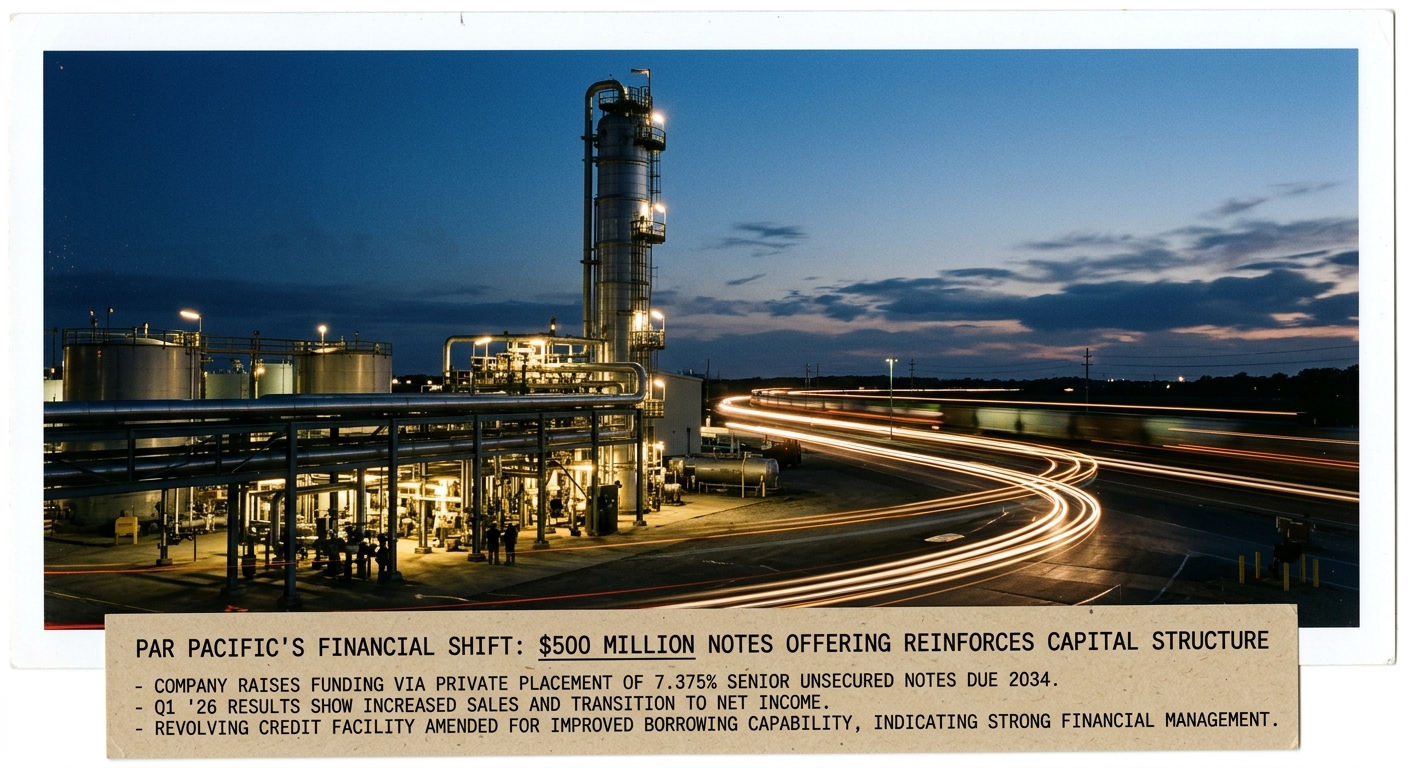
Par Pacific Strengthens Capital Structure with $500 Million Notes Offering and Improved Financial Performance
Par Pacific Holdings, Inc. has recently strengthened its capital structure by completing a $500 million private placement of 7.375% senior unsecured notes, which are set to mature on June 1, 2034. Thi…
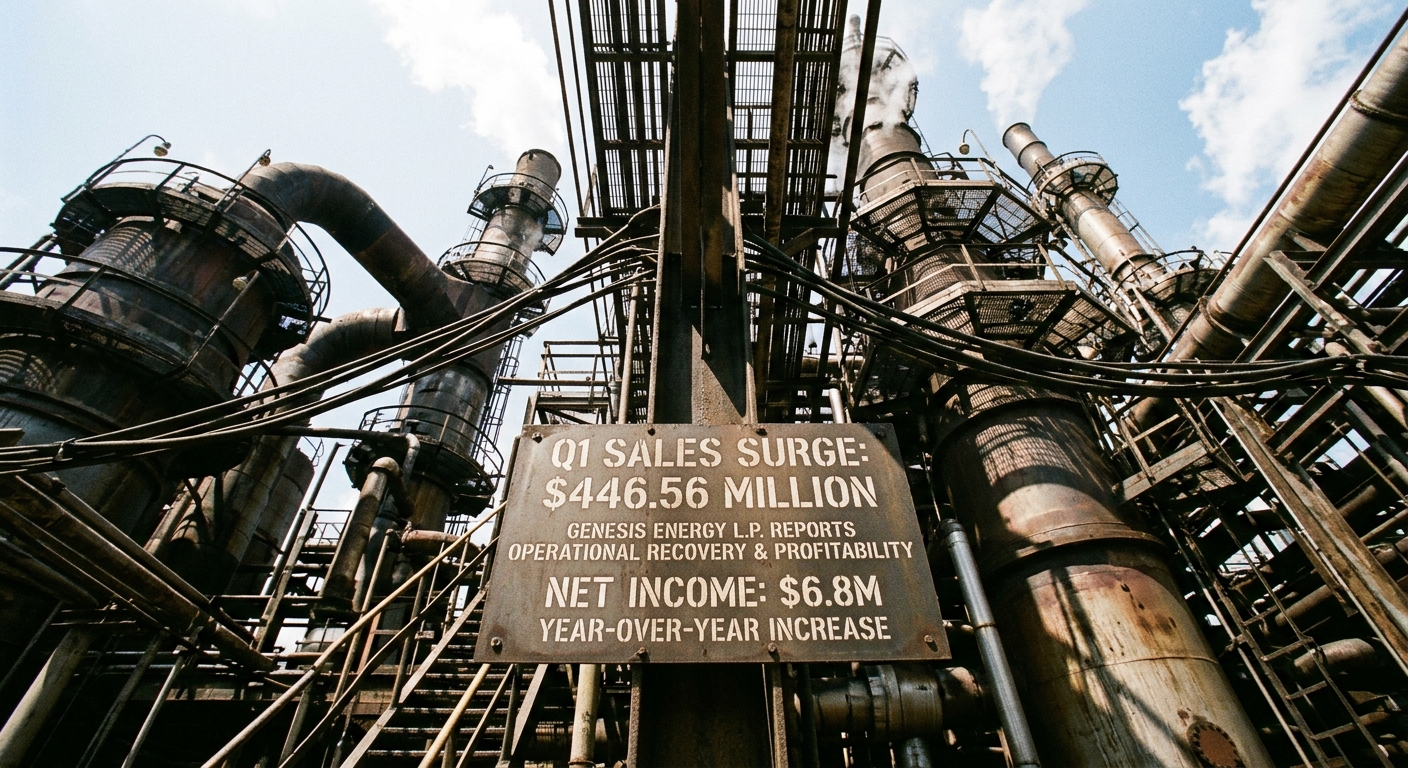
Genesis Energy L.P. Reports Q1 Profitability Surge with $446.56 Million in Sales
Genesis Energy L.P. (Ticker: UNDEFINED) announces its first-quarter financial results, signaling a resurgence in profitability and operational performance. The company reports total sales of $446.56 m…

Nordic American Tankers Finalizes New Leasing Contracts to Strengthen Cash Position and Dividends.
Nordic American Tankers (Ticker: NAT) has recently marked a significant milestone by finalizing multiple new vessel leasing contracts in a favorable tanker market. This strategic move is aimed at rein…

Marine Petroleum Trust Announces Quarterly Distribution Amid Fluctuating Energy Sector Conditions
Marine Petroleum Trust (Ticker: MARPS) announces a quarterly cash distribution of $0.096470 per unit, reflecting a decrease compared to prior distributions. This development highlights the trust's ong…