
AngloGold Ashanti Adapts to Ghana's New Local Contractor Regulations by 2026

- AngloGold Ashanti must transition operations to local contractors in Ghana by December 2026 due to new regulations.
- The policy aims to enhance local economic participation and requires re-evaluating operational and financial strategies.
- Compliance with the regulations may improve AngloGold Ashanti's reputation and community relations, ensuring sustainable operations.
AngloGold Ashanti Plc faces a significant regulatory shift in Ghana's mining sector following a directive from the Ghanaian mining regulator. This new policy mandates that the company must transition some of its operations to local contractors by December 2026. The directive aims to enhance local economic participation and represents a substantial change in how mining operations are conducted in the country. As such, the company must adapt to this evolving landscape to maintain its competitive edge and ensure compliance with local regulations.
Ghana’s Commitment to Local Economic Participation
The new regulation emphasizes the importance of local contractors in the mining industry, thus requiring AngloGold Ashanti to rethink its operational and financial strategies. The shift could entail re-evaluating its supplier relationships and altering project management approaches to align with the directive. This regulatory change is part of Ghana's broader effort to bolster its local economy through increased engagement with domestic businesses, reflecting a growing trend in resource-rich nations seeking to maximize local benefits from their natural resources.
Strategic Adaptation for Long-Term Benefits
In light of these developments, AngloGold Ashanti's strategic planning is more crucial than ever. The company will need to navigate potential challenges related to cost structures while simultaneously identifying new opportunities that might arise from increased local involvement. Compliance with the new regulations could promote a more sustainable and community-focused operational model, which could ultimately enhance the company’s reputation and relations with local stakeholders, translating into long-term benefits for both the company and the communities in which it operates.
Related Cashu News

Royal Gold Restructures Hod Maden Interest for Income Focus Through Royalty Shift
Royal Gold (Ticker: RGLD) has recently made significant changes to its operational strategy by restructuring its interest in the Hod Maden Project. The company has exchanged its direct ownership stake…
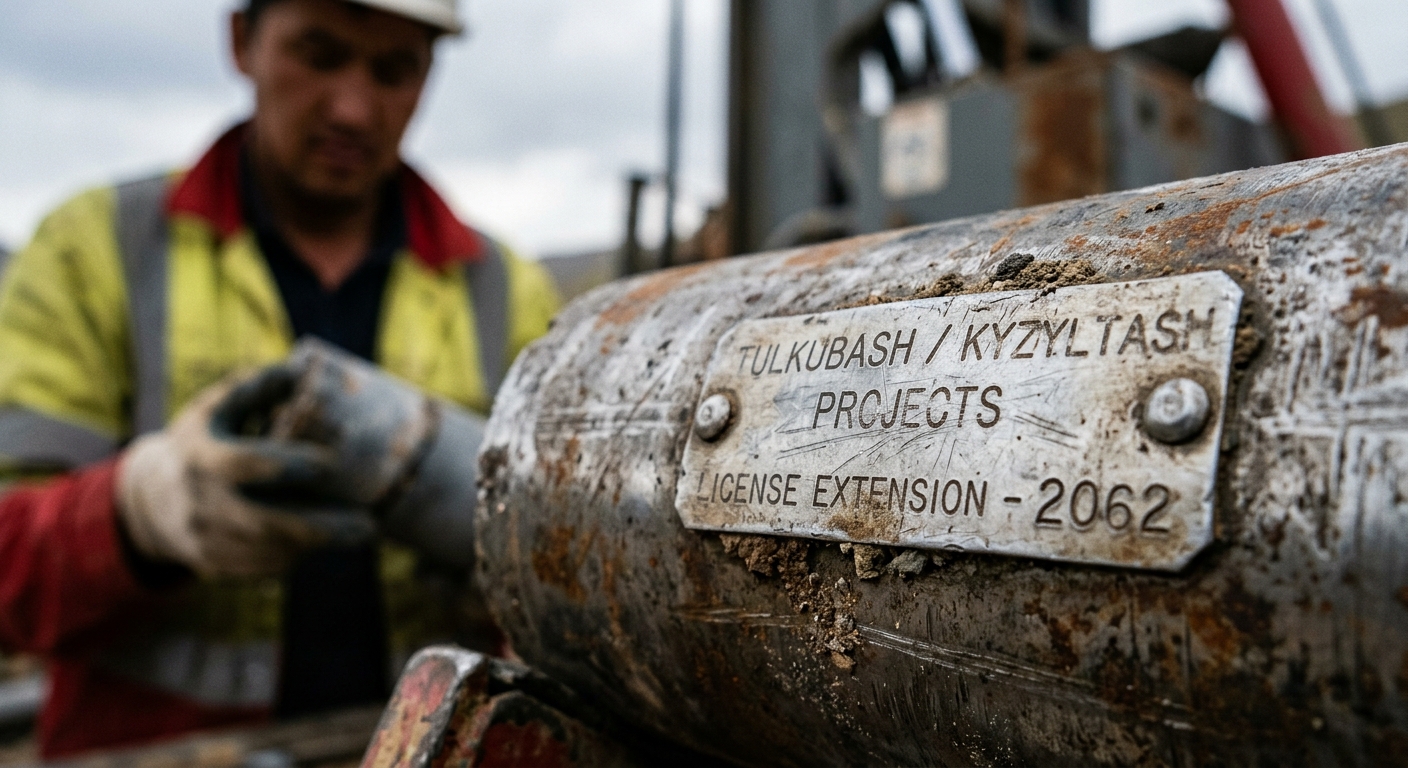
Silvercorp Metals Secures License Extension for Tulkubash/Kyzyltash Projects Until 2062
Silvercorp Metals Inc. (Ticker: SVM) successfully extends its mining license for the Tulkubash/Kyzyltash gold projects in the Kyrgyz Republic, solidifying its operations until 2062. The extension, ste…

Agnico Eagle Mines Invests $2.4 Billion in Hope Bay Project Redevelopment in Nunavut
Agnico Eagle Mines Limited has made a strategic advancement with its investment decision regarding the redevelopment of the Hope Bay project located in Nunavut, Canada. The company plans to invest app…

Southern Copper Invests $318.6 Million to Modernize Cuajone Mine Amid Regulatory Challenges
Southern Copper Corporation (Ticker: SCCO) announces a significant investment of $318.6 million to upgrade and modernize its Cuajone copper mine in Peru. This initiative underscores the company's comm…