
Benghazi Extradition Exposes Compliance, Geopolitical Risks for Regional Banks Including SouthState
- Benghazi extradition highlights geopolitical risks regional banks such as SouthState must closely monitor.
- SouthState factors geopolitical developments into transaction-monitoring rules and sanctions screening for correspondent and international clients.
- SouthState weighs enhanced due-diligence costs against customer service, and must communicate with clients during law-enforcement requests.
Benghazi suspect’s extradition spotlights compliance and geopolitical risks for regional banks
WASHINGTON — The recent arrest and U.S. extradition of a suspect in the 2012 Benghazi attack reverberates beyond national security circles, underlining persistent geopolitical risks that regional banks such as SouthState must monitor closely. Attorney General Pam Bondi announces the arrival of Zubayar al‑Bakoush at Andrews Air Force Base as part of what officials describe as coordination between U.S. intelligence and law enforcement. The development, tied to one of the most protracted terrorism probes in recent U.S. history, prompts renewed scrutiny of how long-dormant international cases can re-emerge and affect financial oversight.
SouthState and the banking industry face rising compliance and risk pressure
The extradition intensifies enforcement attention on anti‑money laundering (AML) and counter‑terrorist financing (CTF) controls across the banking sector, where institutions must trace funds, correspondent movements and cross-border flows linked to extremist activity. Banks like SouthState, which operate primarily in the U.S. Southeast but maintain correspondent relationships and serve clients with international ties, increasingly factor such geopolitical developments into transaction monitoring rules and sanctions screening. Regulatory expectations are rising that lenders not only detect suspicious transfers but also demonstrate forensic capability to respond when historic cases resurface.
Operational and reputational risk also climb as authorities reopen long-standing investigations. The arrest underscores that funds or networks once thought inactive can reappear, prompting renewed records requests and potential legal exposure for banks that lack comprehensive historical transaction archives. For regional banks with limited global compliance teams, the resource burden of responding to complex, overseas inquiries can be significant, driving investments in third‑party screening tools, staff training and outside counsel.
At the same time, the Benghazi case prompts boards and risk committees to reassess stress scenarios involving geopolitical shocks. Institutions such as SouthState weigh the cost of enhanced due diligence against customer service demands, particularly for community and commercial clients with legitimate international operations. The balance shapes decisions on correspondent banking relationships, transaction thresholds and the escalation pathways for potential matches to sanctioned individuals or extremist groups.
Operational resilience and customer impact
Broader operational implications include potential interruptions to correspondent lines and remittance channels if partners tighten rules in response to renewed investigations. SouthState and peers must communicate clearly with affected clients to manage service continuity while complying with emergent law enforcement requests.
Industry-wide regulatory focus
Regulators and examiners are likely to use high-profile cases to press banks on historical recordkeeping and the adequacy of AML/CTF controls. For regional banks, the development reinforces the need for scalable compliance frameworks that can handle both day‑to‑day vigilance and episodic, cross-border investigative demands.
Related Cashu News

Western Alliance Bancorp Faces Scrutiny Over Non-Performing Loan and Declining Stock Performance
Western Alliance Bancorporation (Ticker: UNDEFINED) faces heightened scrutiny following a significant disclosure regarding its asset quality, which raises concerns about the bank's credit risk and ope…
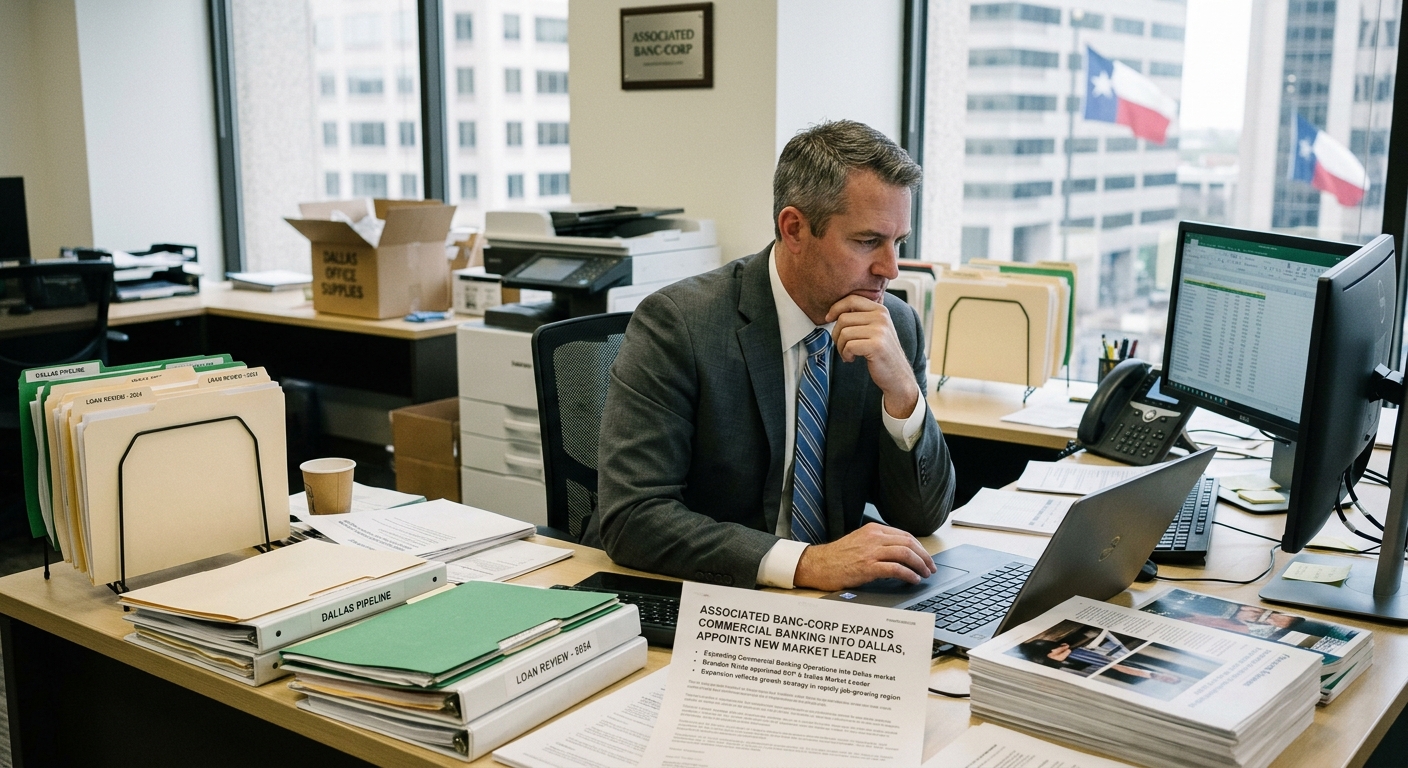
Associated Banc-Corp Expands Commercial Banking into Dallas, Appoints New Market Leader
Associated Banc-Corp (Ticker: UNDEFINED) is expanding its commercial banking operations into the Dallas market, capitalizing on recent success in Kansas City. The bank appoints Brandon White as the se…

S&T Bancorp Strengthens Business Banking Focus with New Director Appointment
S&T Bancorp has taken significant steps to enhance its focus on small and midsize businesses with the appointment of Julie Lane as the new director of business banking and senior vice president. This…

Dime Community Bancshares Launches Equipment & Franchise Finance Group Amidst Stock Fluctuations.
Dime Community Bancshares (Ticker: DCOM) has recently established an Equipment & Franchise Finance Group targeted at providing tailored financing options for middle market borrowers and established fr…