
Bipartisan Push to Cap Credit‑Card Rates Threatens Ally Financial
- Ally must reassess lending economics and product design due to proposed credit-card rate caps.
- A 10–15% APR cap would compress Ally's net interest margins and undermine risk-based pricing.
- Caps may force Ally to tighten underwriting, cut credit lines, curb rewards, or shift to secured products.
Washington Turns Up Pressure on Credit Card Pricing
Cap Proposal Threatens Lenders' Risk-Based Pricing — A Focus on Ally Financial
A renewed, bipartisan push in Washington to cap credit‑card interest rates is forcing lenders such as Ally Financial to reassess core lending economics and product design. President Donald Trump is seeking a year‑long 10% cap while Sen. Bernie Sanders calls for a permanent 15% ceiling, and senators including Josh Hawley and Elizabeth Warren are pressing Congress to act. The proposals target major issuers and regional banks alike and place credit-card pricing and risk‑based underwriting squarely at issue for consumer lenders.
For Ally — a bank that relies on consumer finance, including credit cards and auto lending — a hard cap would compress net interest margins and undermine current risk‑based pricing models that compensate for higher default risk among lower‑income borrowers. Executives and analysts say caps at the 10–15% level would likely prompt lenders to tighten underwriting, slash credit lines, curb rewards and originations, or reprice other products to offset lost revenue. Industry estimates cited by issuers note that more than two‑thirds of U.S. GDP is driven by consumer spending and that roughly $6 trillion of that spending flows across credit cards, making changes to card pricing a broader macroeconomic concern.
The measures also threaten to change how banks like Ally manage portfolio risk and securitisation financing. Issuers say abrupt limits on annual percentage rates could lead to immediate reductions in available credit for higher‑risk customers and force a shift toward secured or installment products that carry different capital and reserve requirements. Lenders may also reconsider dealer financing programs and partnerships that depend on cross‑subsidy from unsecured lending, with ripple effects for auto sales and other consumer sectors.
Legislative Moves Create Rare Bipartisan Pressure
Sen. Hawley says Congress should pass a bill he introduced with Sanders in February 2025 to cap rates at 10% for five years, and Warren publicly urges cap legislation and executive support. Lawmakers and the White House signal they are open to proposals, but legal drafts and economic analyses are pending before any vote or rulemaking.
Industry Reaction: Warnings and Waiting
Wall Street analysts and bank executives warn caps would reduce incentives to lend and could cut off credit access for lower‑income households. JPMorgan CEO Jamie Dimon calls a 10% cap an “economic disaster,” and a Capital One spokesperson points to CEO Richard Fairbank’s warnings of “multiple shocks,” potential recessionary effects and immediate cuts to credit lines. Market participants and consumers await specifics and formal impact studies before major policy changes.
Related Cashu News

Blackstone Mortgage Trust Launches $450 Million Senior Secured Notes for Financial Stability
Blackstone Mortgage Trust (Ticker: UNDEFINED) has initiated a private offering of US$450 million in senior secured notes due in 2031, marking a strategic move to strengthen its capital structure. This…
![AllianceBernstein Partners with Brookfield and Carlyle to Launch ABC [ONE] Retirement Solution.](https://firebasestorage.googleapis.com/v0/b/cashuapplication.appspot.com/o/cashuNewsData%2Fe612a612bbd7a184b952afc6b0cafecacfe232d3%2Fnews_e612a612bbd7a184b952afc6b0cafecacfe232d3.png?alt=media&token=019545694f4417154e316de7809f1ae8)
AllianceBernstein Partners with Brookfield and Carlyle to Launch ABC [ONE] Retirement Solution.
AllianceBernstein Holding L.P. (Ticker: UNDEFINED) collaborates with Brookfield Asset Management and Carlyle to launch an innovative retirement solution, ABC [ONE], aimed at enhancing asset class dive…
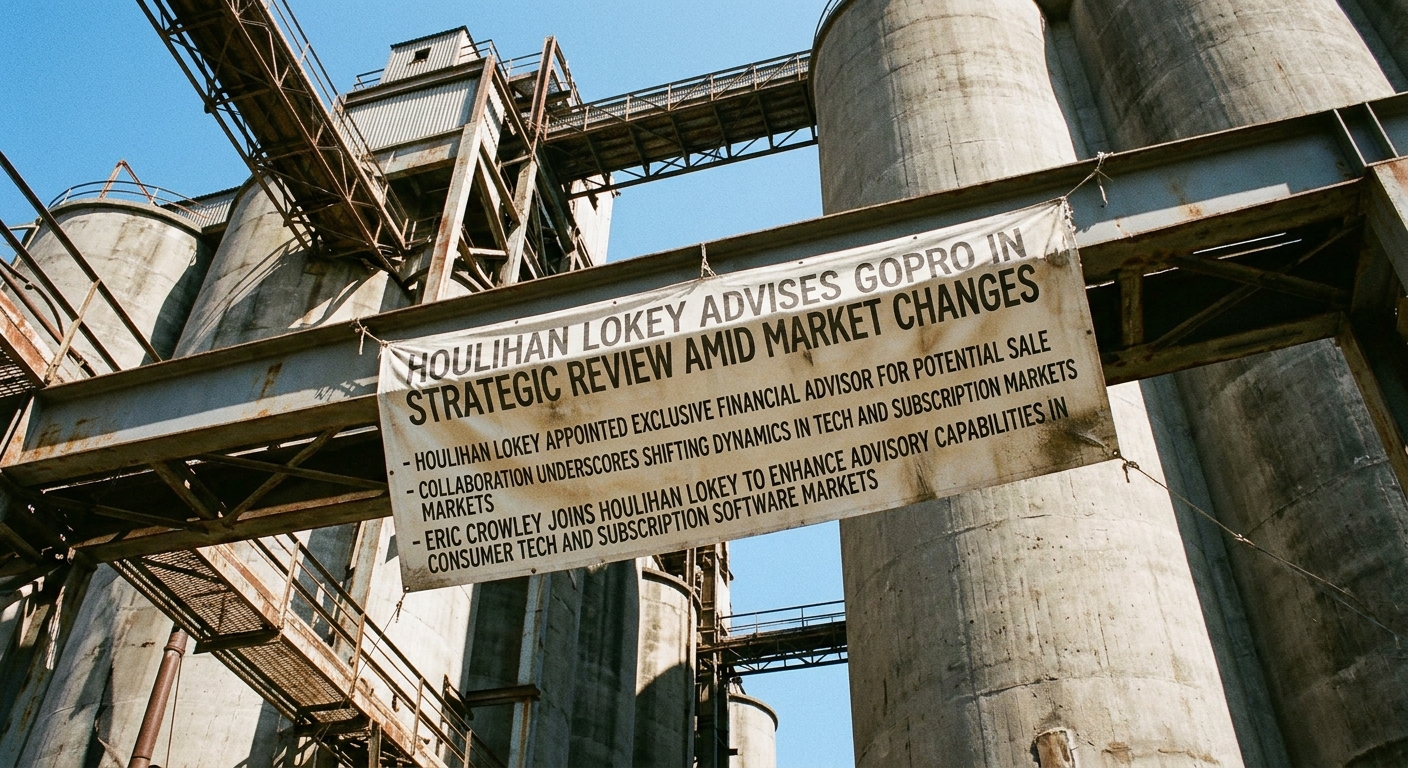
Houlihan Lokey Advises GoPro in Strategic Review Amid Market Changes
Houlihan Lokey (Ticker: HLI) has recently been appointed as the exclusive financial advisor to GoPro, a well-known consumer electronics company. This appointment marks a pivotal moment as GoPro embark…

Federated Hermes Announces Steve Chiavarone as New Chief Investment Officer for Global Equities
Federated Hermes, Inc. (Ticker: UNDEFINED) undergoes a pivotal leadership transition with the appointment of Steve Chiavarone, CFA, as its new Chief Investment Officer for Global Equities, effective S…