
Boeing Faces Share Decline Amid U.S.-China Trade Tensions and 737 MAX Production Issues
- Boeing struggles with declining share value due to delays in 737 MAX deliveries and ongoing US-China trade tensions.
- Wiring flaws in 737 MAX models intensify production challenges and raise concerns over delivery timelines and operational capabilities.
- Trade investigations and tariffs may disrupt Boeing's supply chains, impacting recovery strategies and market competitiveness.
Boeing Faces New Challenges Amid US-China Trade Tensions and Production Delays
In recent developments, Boeing Company finds itself navigating turbulent waters as it grapples with a significant decline in share value linked to delays in the delivery of its 737 MAX aircraft. This downturn is particularly troubling given the prevailing climate of escalating trade tensions between the United States and China. With U.S. President Donald Trump preparing for a crucial summit with Chinese President Xi Jinping, these geopolitical dynamics have intensified the stakes for American manufacturers, including Boeing. The U.S. has launched extensive trade investigations aimed at addressing China's alleged unfair trade practices in manufacturing, underscoring the potential impact these political maneuvers may have on Boeing's operations and market performance.
Boeing's recent announcement of wiring flaws in the 737 MAX models has raised concerns about production timelines and delivery schedules that have already been strained by previous issues. The scrutiny surrounding the 737 MAX series, particularly following past groundings over safety concerns, amplifies fears that any further complications may jeopardize the company's operational capabilities. As Boeing faces production challenges, the ongoing trade investigations serve as a reminder of the fragile state of American manufacturing. With Trump's tariffs as a negotiating tool, the uncertain diplomatic landscape may directly affect Boeing's supply chains, forcing the company to rethink strategies amid changing regulations and export dynamics.
Moreover, as the company looks to rebound from these setbacks, it faces mounting pressure to restore confidence among investors and stakeholders. The interplay between the manufacturing concerns tied to the 737 MAX and the broader implications of U.S.-China trade relations creates a complex environment that complicates Boeing's recovery strategy. The ramifications of these investigations could extend beyond immediate production issues, potentially reshaping Boeing's market presence and competitive edge. As discussions between the United States and China approach, industry experts closely monitor how these high-stakes negotiations may influence America’s aerospace sector, a critical component of the national economy.
In related news, Washington state lawmakers recently passed a contentious "millionaires tax," imposing a 9.9% tax on income exceeding $1 million, aiming to remedy a multi-billion dollar budget deficit. This legislation targets around 21,000 residents and has garnered mixed reactions, with concerns about its implications for job retention in the state's vital tech industry, which employs a significant number of workers, potentially affecting businesses like Boeing's local operations.
Additionally, with the trade investigations disrupting the diplomatic status quo, many stakeholders worry about the long-term viability of the current trade truce. Companies like Boeing could feel the effects as consumer sentiment shifts and corporate strategies adapt to navigate an increasingly fraught economic landscape. As Boeing strives for stability, the intersection of trade policies and production challenges could define its trajectory in the months ahead.
Related Cashu News
Icahn Enterprises L.P. Announces Key Leadership Changes for Corporate Stability and Strategy Continuity
Icahn Enterprises L.P. has made significant leadership changes aimed at stabilizing the company's corporate structure during a period of strategic evolution. Ted Papapostolou, a seasoned finance execu…

Thermon Group Holdings' Fiscal Year 2026: Resilience Amidst Revenue Growth and Margin Pressure
Thermon Group Holdings (Ticker: THR) navigates a challenging fiscal landscape as it releases its fiscal year 2026 results, showcasing both significant revenue achievements and persistent pressure on p…
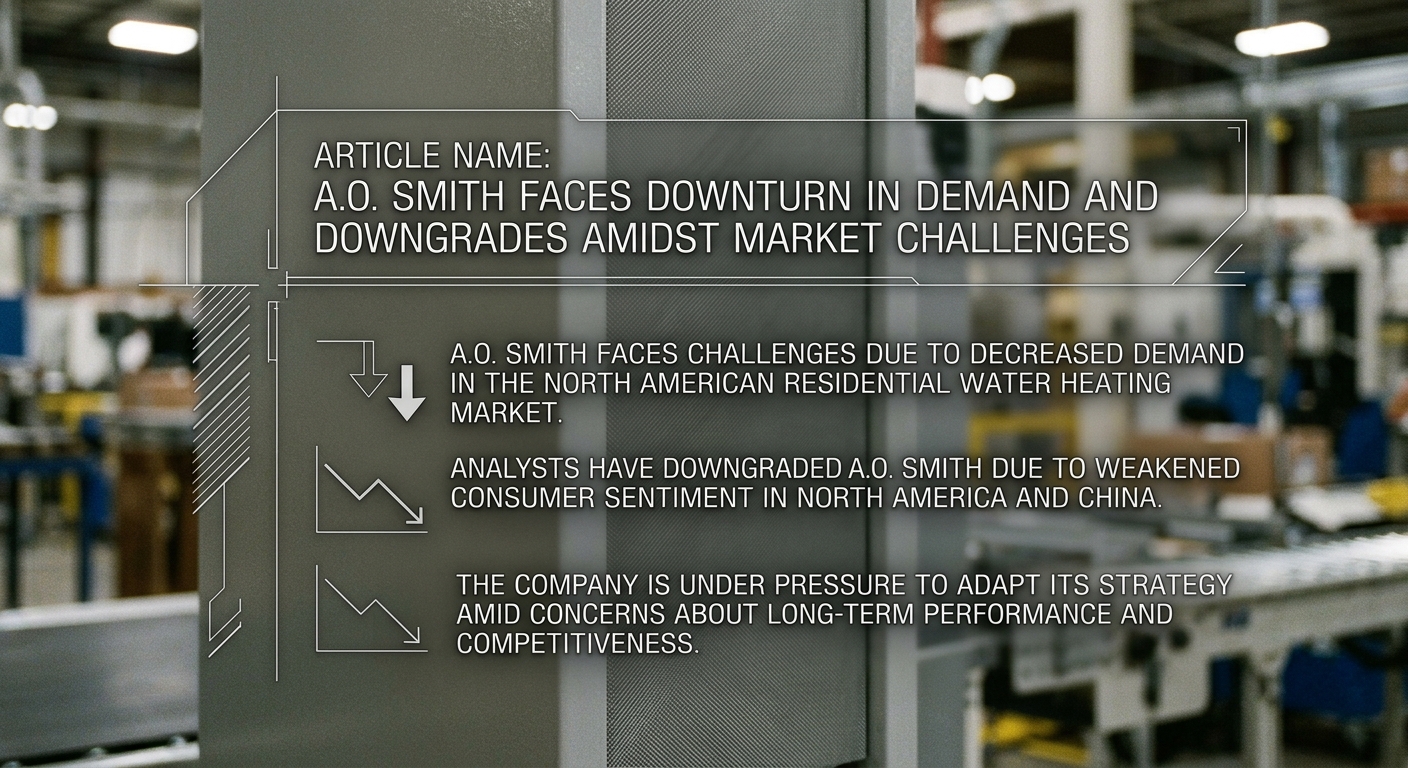
A.O. Smith Faces Downturn in Demand and Downgrades Amidst Market Challenges
A. O. Smith faces significant challenges in the water heating industry as it navigates a downturn in demand, particularly within the North American residential market. Analysts from JPMorgan and DA Da…

Watts Water Technologies Reports Strong Growth Driven by Data Center Cooling Demand
Watts Water Technologies (Ticker: WTS) has reported impressive first-quarter results for 2026, underscoring its strong position within the water technology industry. The company's sales reached $677.3…