
Boeing's Commitment to Air Safety Amid Growing Aviation Challenges and Regulatory Scrutiny
- Boeing emphasizes the importance of air safety protocols amid complex aviation challenges highlighted by a recent close call incident.
- The company develops advanced safety systems and training programs to enhance coordination among aviation stakeholders.
- Boeing maintains a steadfast commitment to safety standards while adapting to shifting market dynamics and geopolitical tensions.
Boeing's Focus on Air Safety in a Volatile Environment
In the wake of a recent close call between a FedEx cargo plane and an Alaska Airlines commercial jet at Newark Liberty International Airport, Boeing underscores the critical importance of air safety protocols within an increasingly complex aviation landscape. The incident, which occurred when the Alaska Airlines Boeing 737 was instructed to execute a "go-around" as a FedEx Boeing 777 was cleared for landing on an intersecting runway, highlights the necessity of rigorous training and meticulous air traffic control operations. Boeing has been a longstanding advocate for aviation safety, recognizing the vital role of effective communication and coordination among crews and air traffic controllers to prevent similar incidents.
The Federal Aviation Administration (FAA) and the National Transportation Safety Board (NTSB) are currently investigating the incident, focusing on the actions taken by air traffic control and the response of both flight crews. Boeing’s commitment extends beyond merely manufacturing aircraft; it includes developing advanced safety systems and training programs designed to equip personnel with the tools necessary to navigate potential hazards. By emphasizing a culture of safety, Boeing aims to foster an environment where all stakeholders in aviation—from manufacturers to airline operators—can work together to protect passengers and cargo alike.
As the aviation industry navigates current uncertainties, including shifting market dynamics and geopolitical tensions, Boeing's emphasis on safety remains unwavering. The company continuously engages with regulatory bodies and industry partners to enhance safety standards across the sector. With ongoing scrutiny of air traffic control protocols and pilot training routines in light of such close encounters, Boeing's proactive approach reinforces its role as a leader in ensuring aviation remains one of the safest modes of transportation.
The ongoing investigation into the Newark incident serves as a reminder of the aviation industry’s inherent challenges regarding safety. With air traffic steadily increasing and operational pressures mounting, maintaining high safety standards is critical for public confidence in air travel. Boeing's efforts to innovate and improve safety measures resonate throughout the sector as airlines, manufacturers, and regulators seek to uphold the highest standards in a rapidly evolving industry.
In a broader context, discussions about the recent shifts in investor confidence across various industries, including aviation, mirror Boeing's proactive safety measures. As the company focuses on enhancing operational safety, fluctuations in market sentiment also compel industry leaders to reflect on their strategies for sustainability and growth amid uncertainty. The integration of robust safety protocols will remain a cornerstone of Boeing's strategy as the industry responds to evolving challenges.
Related Cashu News

Icahn Enterprises L.P. Announces Key Leadership Changes for Corporate Stability and Strategy Continuity
Icahn Enterprises L.P. has made significant leadership changes aimed at stabilizing the company's corporate structure during a period of strategic evolution. Ted Papapostolou, a seasoned finance execu…

Thermon Group Holdings' Fiscal Year 2026: Resilience Amidst Revenue Growth and Margin Pressure
Thermon Group Holdings (Ticker: THR) navigates a challenging fiscal landscape as it releases its fiscal year 2026 results, showcasing both significant revenue achievements and persistent pressure on p…
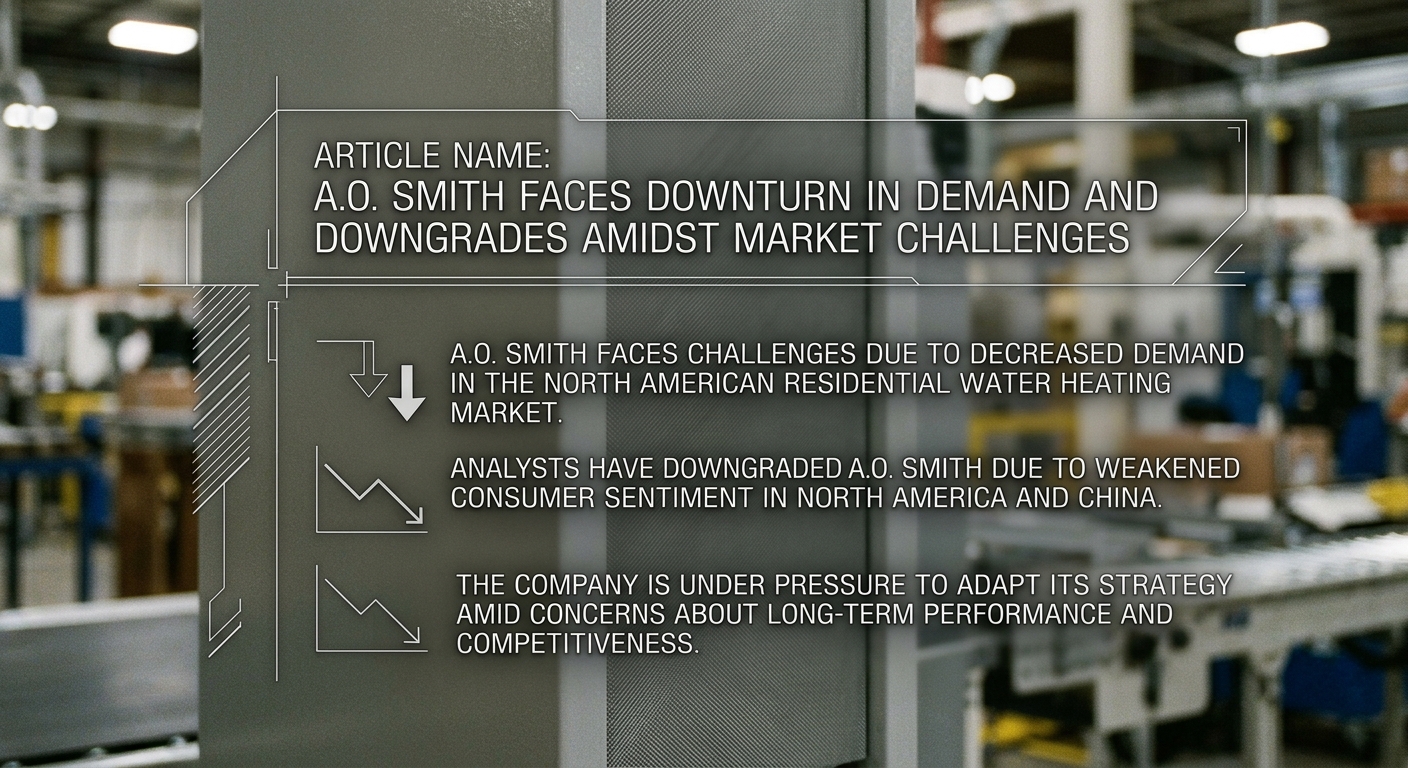
A.O. Smith Faces Downturn in Demand and Downgrades Amidst Market Challenges
A. O. Smith faces significant challenges in the water heating industry as it navigates a downturn in demand, particularly within the North American residential market. Analysts from JPMorgan and DA Da…
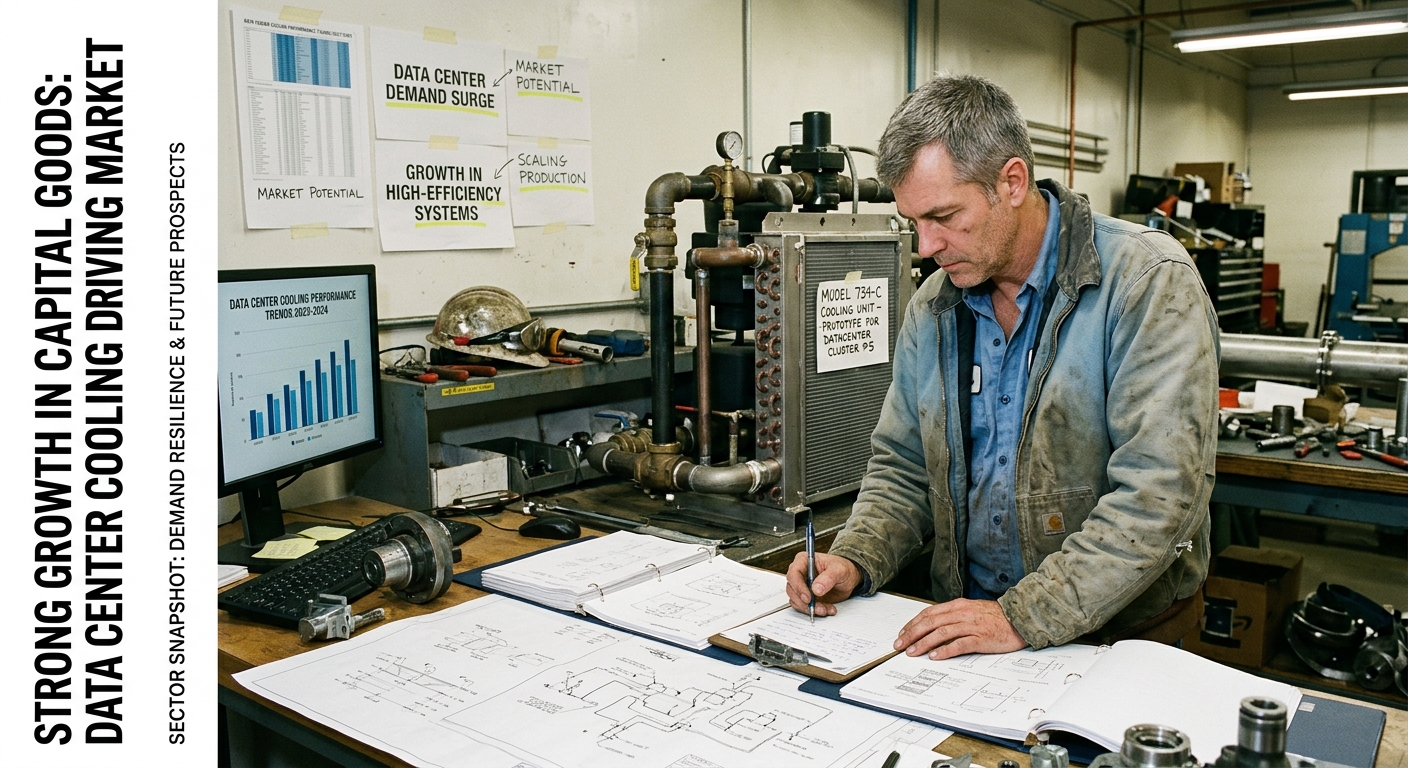
Watts Water Technologies Reports Strong Growth Driven by Data Center Cooling Demand
Watts Water Technologies (Ticker: WTS) has reported impressive first-quarter results for 2026, underscoring its strong position within the water technology industry. The company's sales reached $677.3…