
Boeing's Defense Strategies Amid Escalating U.S. Military Operations in Iran
- Boeing, a key defense contractor, is impacted by U.S. military operations and evolving objectives in Iran.
- Increased military spending may benefit Boeing, but inconsistent U.S. goals pose challenges for long-term defense contracts.
- Boeing must adapt to changing geopolitical trends while maintaining its competitive position in the defense sector.
Boeing's Strategic Position Amid U.S. Military Operations in Iran
In recent days, the focus on U.S. military operations in Iran becomes increasingly pertinent for Boeing, a major defense contractor with substantial ties to military and international defense initiatives. President Donald Trump reaffirms his administration's intent to escalate military actions in Iran, which carries potential ramifications for the defense sector, including Boeing’s operations. The fluctuating objectives stated by the administration—from nuclear deterrence to regime change—highlight an evolving landscape in which defense contractors like Boeing must navigate shifting priorities in military procurement and international relations.
As the United States emphasizes its commitment to military dominance in the region, there is an increased demand for advanced aerospace and defense technologies. Boeing, known for its cutting-edge defense systems, stands to benefit from heightened military spending and a renewed focus on U.S. weaponry, including missile defense systems and aircraft capable of operating in hostile environments. However, this precarious geopolitical situation also raises concerns regarding the sustainability of defense contracts. Inconsistencies in mission objectives could complicate the long-term planning and strategic alignments that companies, like Boeing, rely upon for stable government partnerships.
Moreover, the potential for escalation in the Middle East poses a dual-edged sword. While heightened military operations can signify government investments in defense technology, they can simultaneously open the door for increased scrutiny and debate over defense spending. With six U.S. service members already reported deceased in the unfolding conflict, both the public and lawmakers exhibit growing anxiety regarding military engagement, which could ultimately influence future defense budgets and legislative decisions affecting Boeing’s contracts.
As Boeing operates within a landscape rife with complexity, clarity on U.S. military goals remains essential. The inconsistency in the administration's rationale for military involvement in Iran creates an uncertain environment for Boeing and other defense contractors that rely on stable defense policies to forecast their business strategies effectively. As tensions rise, Boeing must remain adaptable to the strategic demands of the U.S. government while also addressing the broader implications of military actions abroad on its operational priorities.
In addition to the current military focus, Boeing’s engagement with international clients becomes increasingly relevant as nations look to bolster their defense capabilities in light of regional instability. The demand for advanced unmanned aerial systems, military aircraft, and integrated defense technologies could spike as countries reassess their positions amid the changing security dynamics in the Middle East.
As the situation develops, Boeing continues to monitor geopolitical trends and align its strategies to ensure it remains a pivotal player in the defense sector, positioning itself favorably amidst an environment fraught with uncertainty and rapid change.
Related Cashu News

Icahn Enterprises L.P. Announces Key Leadership Changes for Corporate Stability and Strategy Continuity
Icahn Enterprises L.P. has made significant leadership changes aimed at stabilizing the company's corporate structure during a period of strategic evolution. Ted Papapostolou, a seasoned finance execu…

Thermon Group Holdings' Fiscal Year 2026: Resilience Amidst Revenue Growth and Margin Pressure
Thermon Group Holdings (Ticker: THR) navigates a challenging fiscal landscape as it releases its fiscal year 2026 results, showcasing both significant revenue achievements and persistent pressure on p…
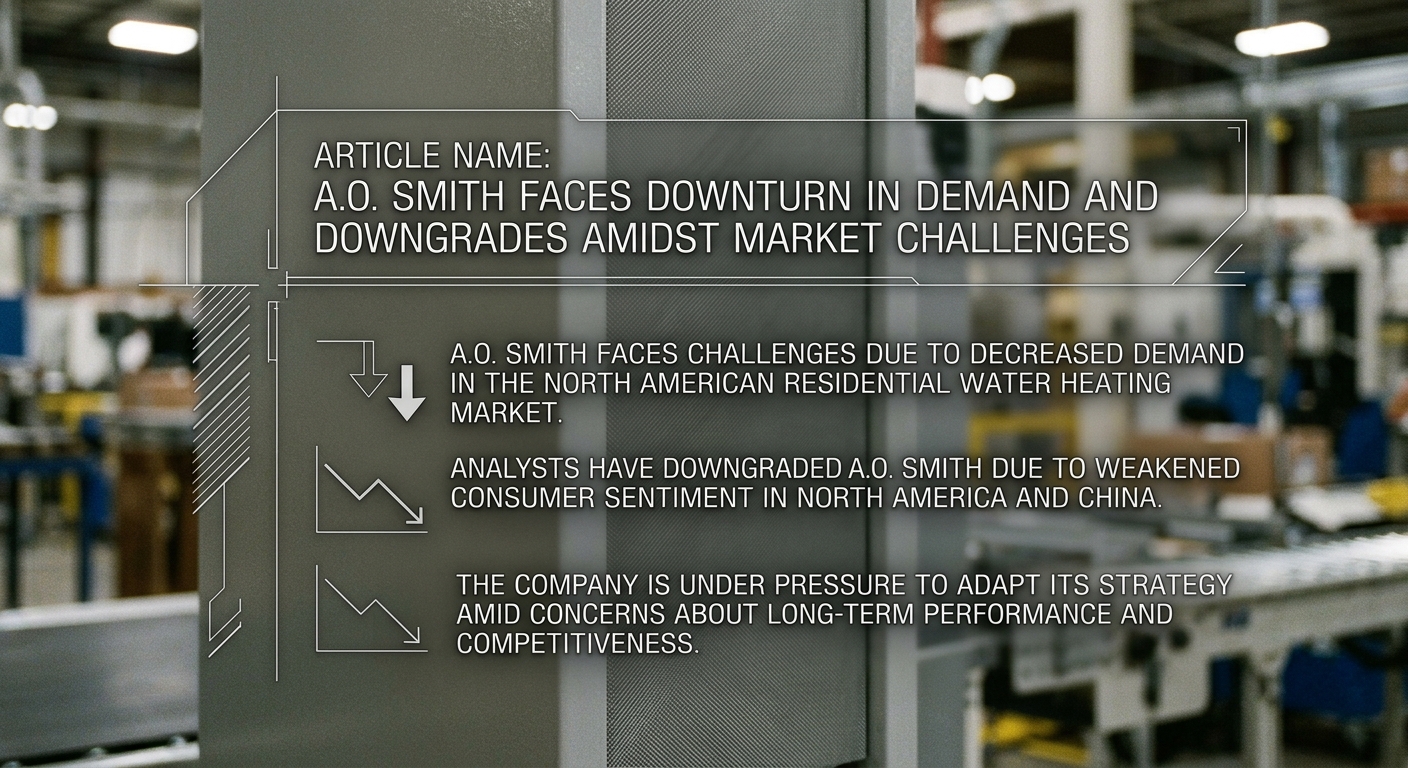
A.O. Smith Faces Downturn in Demand and Downgrades Amidst Market Challenges
A. O. Smith faces significant challenges in the water heating industry as it navigates a downturn in demand, particularly within the North American residential market. Analysts from JPMorgan and DA Da…

Watts Water Technologies Reports Strong Growth Driven by Data Center Cooling Demand
Watts Water Technologies (Ticker: WTS) has reported impressive first-quarter results for 2026, underscoring its strong position within the water technology industry. The company's sales reached $677.3…