
Boeing's Defense Strategy Shaped by U.S.-Iran Tensions Amid Nuclear Negotiations
- Boeing's defense strategy is influenced by U.S.-Iran tensions, impacting future government contracts and military offerings.
- The company must adapt its defense technologies amidst growing concerns over Iran's military capabilities and missile threats.
- Boeing could benefit from increased defense spending as lawmakers advocate for military oversight in response to geopolitical dynamics.
U.S.-Iran Tensions Impact Boeing's Defense Strategy Amid Nuclear Talks
As the U.S. engages in high-stakes nuclear negotiations with Iran, the fallout from these discussions deeply influences the defense sector, including major players like Boeing. With U.S. Secretary of State Marco Rubio articulating concerns over Iran's ballistic missile development, the implications resonate strongly within the arms manufacturing industry. Rubio's claims that Iran harbors conventional weapons aimed at Americans underscore the geopolitical climate, which intensifies the call for enhanced defense systems. Boeing, recognized for its aerospace and defense capabilities, finds itself at a critical juncture where the outcome of these negotiations may impact future government contracts and defense strategies.
The dialogue in Geneva revolves largely around curtailing Iran’s uranium enrichment, but Rubio's position on the missile threat complicates the equation. Iranian Foreign Minister Abbas Araghchi, representing Tehran, faces immense pressure as U.S. military forces remain poised in the region. With President Trump's warning that "bad things" may ensue if an agreement is not reached, the tension feeds into a broader narrative about the necessity for advanced defense solutions. Boeing's array of missile systems and military aircraft plays a pivotal role in the U.S. defense posture, making it imperative for the company to align its strategies with unfolding geopolitical dynamics.
As congressional action looms with calls for a bipartisan war powers resolution, Boeing must also navigate the implications of legislative measures that could limit executive military authority. Lawmakers are advocating for oversight to ensure that military engagement follows constitutional guidelines, potentially impacting defense spending. Amidst these developments, Boeing could leverage the urgency for innovative defense technologies, reinforcing its position as a reliable supplier for national security needs. As the industry watches closely, the intersection of diplomacy and military readiness remains paramount, placing Boeing at the forefront of necessary defense advancements.
In the backdrop of mounting U.S.-Iran tensions, Boeing confronts the challenge of adapting its defense offerings to an evolving security landscape. The company stands to benefit from potential increases in defense appropriations amidst rising concerns over Iran's military capabilities. The ongoing discussions in Geneva reflect not only diplomatic efforts but also a crucial moment for defense contractors to align with national security priorities and technological advancements.
Moreover, Secretary Rubio’s remarks about the complexities posed by Iran’s actions elevate the discourse on military preparedness and strategic defense. As Boeing engages with the ramifications of potential conflict, the focus on innovative defense systems becomes an essential narrative within the broader context of global security challenges. The technological advancements in the aerospace sector will play a key role in shaping U.S. capabilities to respond effectively to emerging threats in the region while ensuring national and global stability.
Related Cashu News

Icahn Enterprises L.P. Announces Key Leadership Changes for Corporate Stability and Strategy Continuity
Icahn Enterprises L.P. has made significant leadership changes aimed at stabilizing the company's corporate structure during a period of strategic evolution. Ted Papapostolou, a seasoned finance execu…
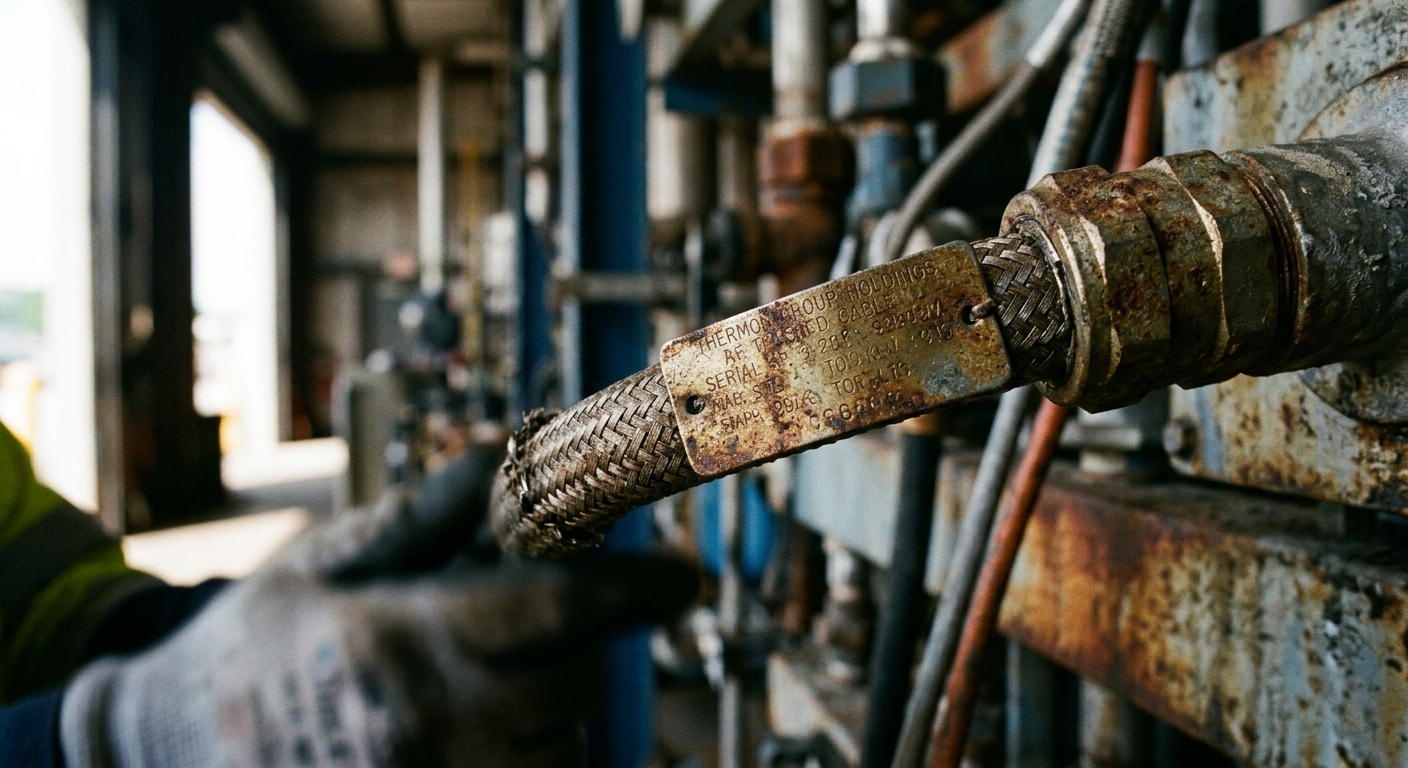
Thermon Group Holdings' Fiscal Year 2026: Resilience Amidst Revenue Growth and Margin Pressure
Thermon Group Holdings (Ticker: THR) navigates a challenging fiscal landscape as it releases its fiscal year 2026 results, showcasing both significant revenue achievements and persistent pressure on p…
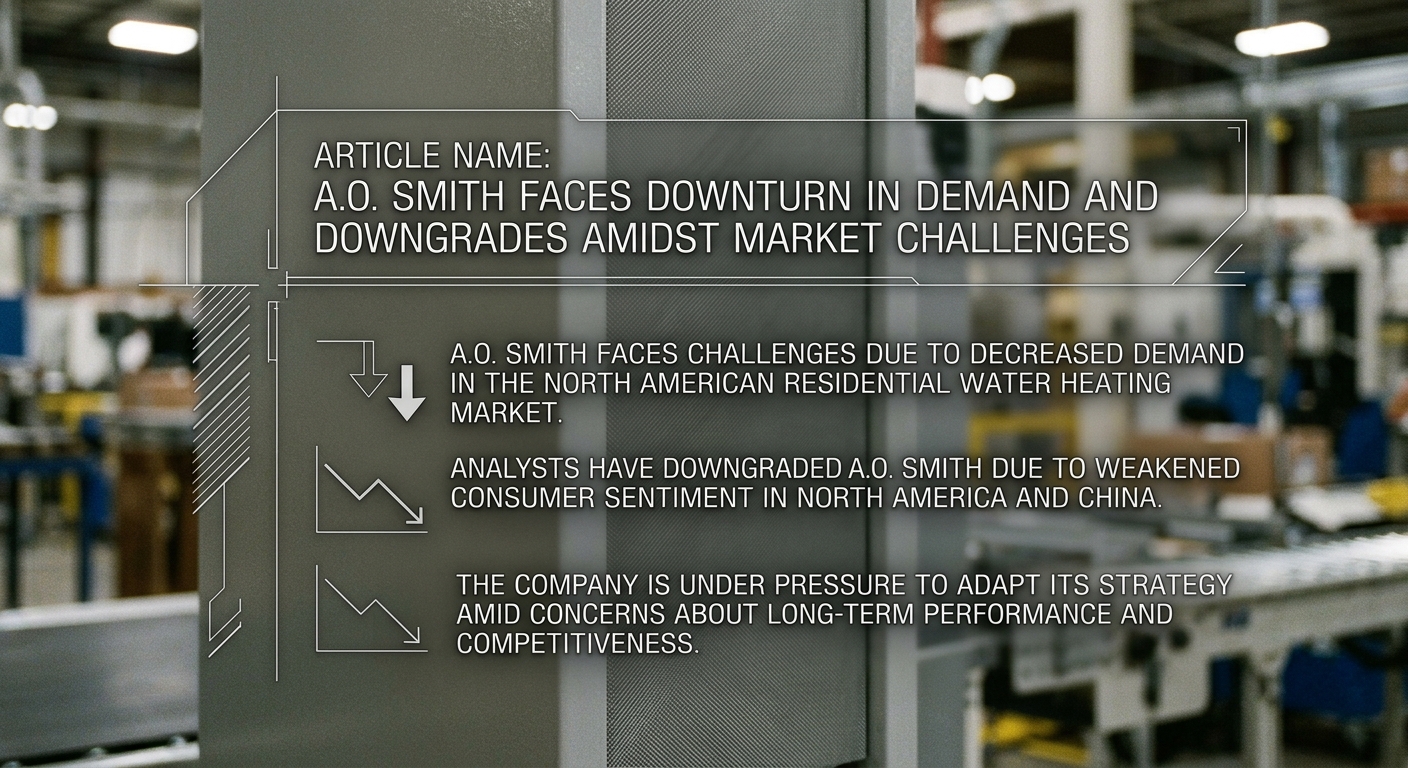
A.O. Smith Faces Downturn in Demand and Downgrades Amidst Market Challenges
A. O. Smith faces significant challenges in the water heating industry as it navigates a downturn in demand, particularly within the North American residential market. Analysts from JPMorgan and DA Da…

Watts Water Technologies Reports Strong Growth Driven by Data Center Cooling Demand
Watts Water Technologies (Ticker: WTS) has reported impressive first-quarter results for 2026, underscoring its strong position within the water technology industry. The company's sales reached $677.3…