
Boeing's Innovations in Space and Aviation Drive Future Growth Amid Recovery Expectations
- Boeing is crucial in NASA’s Artemis II mission, showcasing human capabilities for future lunar exploration.
- The company’s 737 and 787 models are selected for factory-fitted in-flight connectivity, enhancing passenger experience.
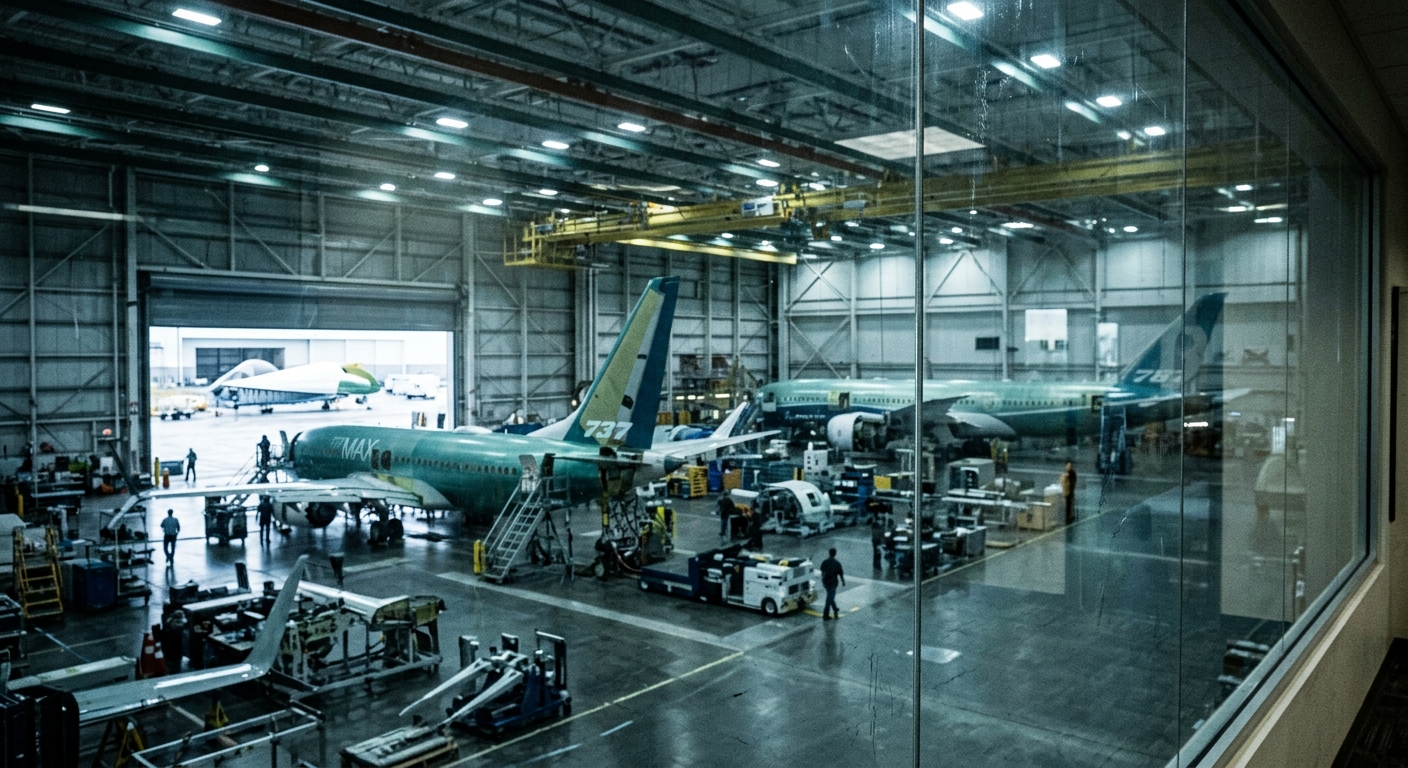
- Boeing is ramping up hiring for its 737 MAX assembly line, reflecting increased production and a commitment to workforce development.
Boeing is making significant strides in its aerospace endeavors, attracting substantial attention for its Space Launch System's pivotal involvement in NASA’s Artemis II mission. This mission seeks to showcase human capabilities in lunar exploration and is crucial for establishing a foundation for future crewed missions to the Moon. Boeing’s expertise in developing advanced space technologies aligns well with NASA’s objectives, as the company aims to support not only lunar exploration but also the broader goals of space travel. The Artemis II mission stands as a testament to Boeing's ongoing commitment to innovation in aerospace, signaling a reinvigorated focus on substantial projects that promise to reshape human exploration beyond Earth.
In addition to its strides in space, Boeing is also advancing its position in the commercial aviation sector. Recently, SES has selected Boeing’s 737 and 787 aircraft models to integrate factory-fitted multi-orbit in-flight connectivity hardware. This selection underscores the increasing demand for enhanced passenger experience in air travel, giving Boeing a competitive edge as airlines continuously strive to improve onboard services. By integrating cutting-edge connectivity solutions into its aircraft, Boeing enhances the functionality and appeal of its fleets, which are essential for attracting and retaining airline customers in a fiercely competitive market.
These developments illustrate a resurgence in Boeing's operational momentum following previous challenges. The company's adaptation to evolving technological landscapes is significant, and its strategic focus on both space exploration and commercial aviation positions it well for future growth. Initiatives such as the Artemis II mission and partnerships for integrating advanced technologies into commercial aircraft not only highlight Boeing’s capabilities but also reinforce its role as a keystone player in both sectors of the aerospace industry—commercial and exploratory. As Boeing navigates this complex environment, its ongoing projects may well define the company’s trajectory and influence its standing in the global aviation marketplace.
In related news, Boeing is ramping up its workforce by hiring 100 to 140 factory workers weekly to bolster production rates at its new 737 MAX assembly line. The recent surge in enrollment in Boeing's apprenticeship program highlights the growing need for skilled labor, underscoring Boeing's commitment to enhancing its operational capacity.
Furthermore, investors are keenly awaiting Boeing's upcoming earnings report, with analysts predicting more than 10% revenue growth, following a significant 57% increase in sales in the previous quarter. This optimistic outlook reflects a broader recovery within the aerospace industry as Boeing continues to navigate market conditions effectively.