
Boeing's Strategic Challenges and Opportunities Amid Rising Geopolitical Tensions in Defense Sector
- Boeing is integral to U.S. military strategies and defense systems in regions like South Korea amid rising tensions.
- The company faces challenges and opportunities in securing defense contracts as South Korea develops its own missile systems.
- Boeing must strengthen its supply chains for rare earth metals to maintain its competitive edge in advanced weapons systems.
Boeing's Strategic Position Amid Growing Regional Tensions
In recent developments, Boeing, a key player in the aerospace sector, remains intricately linked to geopolitical dynamics in Asia and the Middle East, especially in light of new discussions around air defense systems involving the U.S. and South Korea. Following the APEC summit, South Korean President Lee Jae-myung emphasized the importance of U.S. military assets stationed in South Korea, which include approximately 28,500 personnel and critical defense systems such as the Patriot missile batteries. Although President Lee acknowledges the U.S. military’s discretion in redeploying these assets, the strategic implications for Boeing and the defense manufacturing sector are significant. The Patriot system, a staple in South Korea's air defense strategy, underscores the demand for robust defense solutions in volatile regions.
As tensions escalate with North Korea, President Lee reassures that any potential redeployment of U.S. assets would not compromise South Korea's defense frameworks, citing the effectiveness of the existing military capabilities alongside U.S. nuclear deterrence. For Boeing, this situation presents both challenges and opportunities. The company must navigate not only the technical demands of advanced military systems but also the evolving geopolitical landscape that influences defense procurement decisions. With South Korea developing its own missile defense systems, including the Cheongung produced by LIG Nex1 and Hanwha Aerospace, Boeing's potential engagement in further defense contracts could hinge on demonstrating the superiority and integration of its own aerospace technologies.
Moreover, Boeing's relevance also extends to the rapidly changing global supply chain for defense components. The announcement of contracts focused on advancing the metallothermal production of rare earth metals critical for military systems amplifies the urgency surrounding domestic sourcing of these materials. Analysts stress that the U.S. military’s growing dependence on high-purity rare earth metals—central to advanced weapons systems like the F-35—highlights Boeing's need to secure reliable and resilient supply chains. With competition looming from countries that dominate rare earth processing, Boeing's strategic partnerships and proactive measures in procurement will be crucial in maintaining its technological edge.
In related news, the Defense Logistics Agency has awarded a substantial contract to REalloys Inc., aimed at enhancing the production of essential rare earth metals such as samarium and gadolinium. This award is pivotal, as it seeks to bolster U.S. defense independence from foreign suppliers, particularly China, whose dominance in rare earth processing poses a strategic risk. Ensuring a steady supply of these materials is vital for the U.S. defense industry and companies like Boeing, central to the manufacture of advanced military systems.
Furthermore, Israeli President Isaac Herzog recently addressed U.S. business leaders, emphasizing the necessity of collaborative defense strategies in light of ongoing hostilities with Iran. As regional security threats evolve, Herzog's remarks underline the interconnectedness of defense systems and international partnerships that remain critical for companies operating within the aerospace sector, steering future investment and strategic planning for firms like Boeing against the backdrop of an increasingly complex geopolitical landscape.
Related Cashu News

Icahn Enterprises L.P. Announces Key Leadership Changes for Corporate Stability and Strategy Continuity
Icahn Enterprises L.P. has made significant leadership changes aimed at stabilizing the company's corporate structure during a period of strategic evolution. Ted Papapostolou, a seasoned finance execu…
Thermon Group Holdings' Fiscal Year 2026: Resilience Amidst Revenue Growth and Margin Pressure
Thermon Group Holdings (Ticker: THR) navigates a challenging fiscal landscape as it releases its fiscal year 2026 results, showcasing both significant revenue achievements and persistent pressure on p…
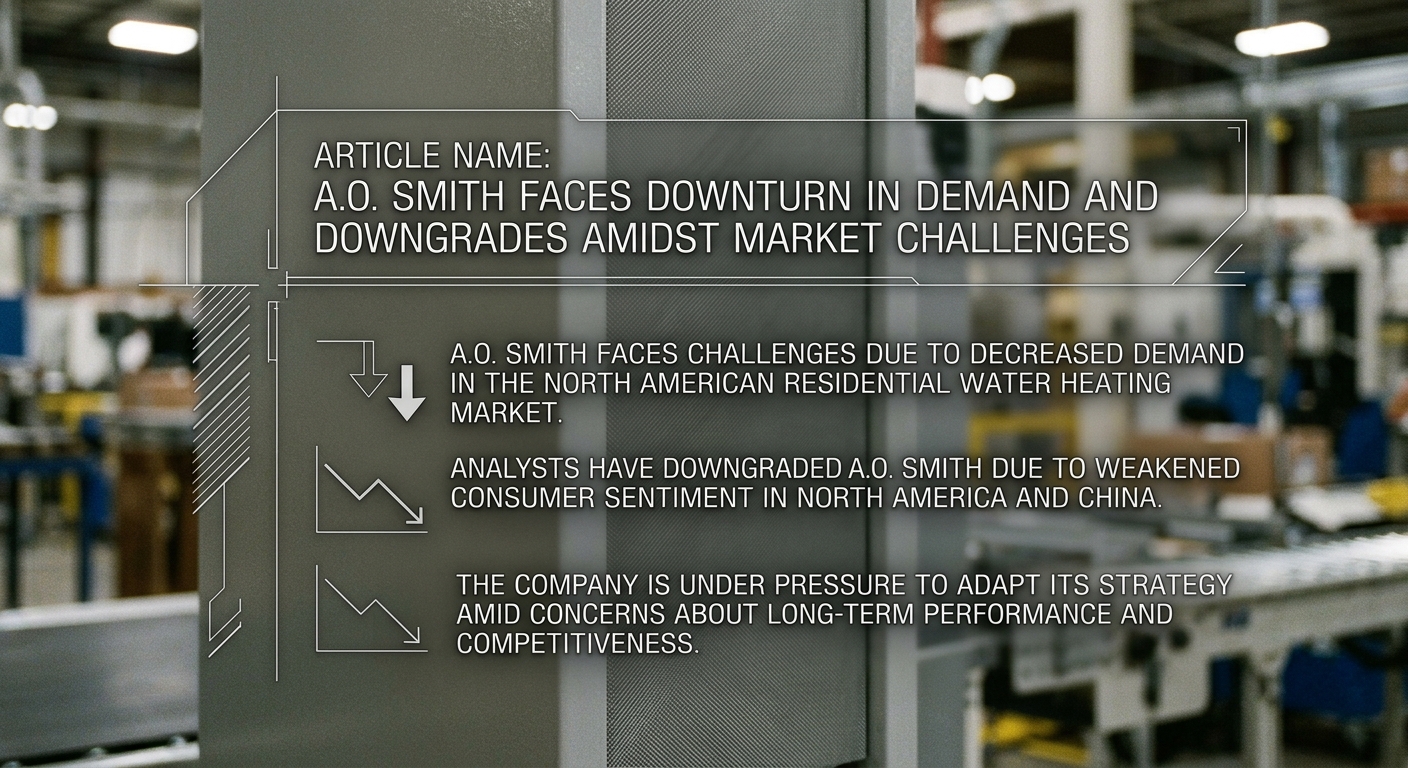
A.O. Smith Faces Downturn in Demand and Downgrades Amidst Market Challenges
A. O. Smith faces significant challenges in the water heating industry as it navigates a downturn in demand, particularly within the North American residential market. Analysts from JPMorgan and DA Da…

Watts Water Technologies Reports Strong Growth Driven by Data Center Cooling Demand
Watts Water Technologies (Ticker: WTS) has reported impressive first-quarter results for 2026, underscoring its strong position within the water technology industry. The company's sales reached $677.3…