
Cameco Eyes Packed U.S. Data Week for Clues on Financing, Interest Rates and Uranium Demand
- Cameco's pricing, contracting and capital plans hinge on U.S. interest-rate expectations and global energy demand.
- Tighter monetary policy raises financing costs, risking slower utility capex and deferred procurement that hit Cameco’s sales pipeline.
- Markets and energy producers, including Cameco, use U.S. payroll and retail data to assess electricity demand and financing.
Cameco watches a packed U.S. data week for clues on financing and fuel demand
Tight macro releases this week are drawing attention from Cameco Ltd, whose pricing, contracting and capital plans are sensitive to interest-rate expectations and global energy demand. The U.S. employment and consumer-price reports due mid‑week and at week’s end, together with December retail sales and the quarterly employment cost index, are shaping expectations for Federal Reserve policy and thus the cost of capital that underpins utility investment in nuclear capacity and long‑term uranium procurement.
Tighter monetary conditions raise the cost of financing new reactors and long‑lead fuel contracts, potentially slowing utility capex and deferring some procurement decisions that feed Cameco’s sales pipeline. Conversely, hotter inflation or resilient payrolls that keep rates higher for longer also support broader commodity prices and the attraction of long‑dated, inflation‑hedged energy contracts, which can strengthen demand for secure uranium supply. Cameco is monitoring Fed speakers and the reaction in swap markets as signals for the timeline and scale of utility contracting activity.
Global inflation updates, notably from China and several European economies, add another layer for Cameco. China’s inflation and power demand trajectory is a key determinant of reactor restarts and new build schedules in the world’s largest nuclear market, affecting both spot and term markets. European inflation and GDP flows influence short‑term electricity demand and government support for decarbonisation, which in turn shape medium‑term appetite for nuclear baseload and long‑duration fuel contracting that benefit producers like Cameco.
Near‑term data expectations narrow the backdrop for energy markets
Deutsche Bank projects U.S. headline and private payrolls rising by 75,000 for January, unemployment steady at 4.4%, and average hourly earnings up 0.3%. For inflation DB forecasts headline CPI +0.26% and core CPI +0.35%, with motor fuel exerting downward pressure on the headline rate.
Retail sales for December are seen up 0.4% (ex‑autos +0.4%), supporting a seventh consecutive quarter of retail‑control growth above a 4% annualised pace. Markets and energy producers, including Cameco, use these readings to assess near‑term demand for electricity and the financing environment for clean‑energy investments.
Related Cashu News

Kimbell Royalty Partners LP Acquires $147 Million in Oil and Gas Interests from Mesa Royalties
Kimbell Royalty Partners LP (Ticker: UNDEFINED) announces a major acquisition that significantly enhances its position in the oil and gas mineral and royalty sector. The deal, valued at approximately…
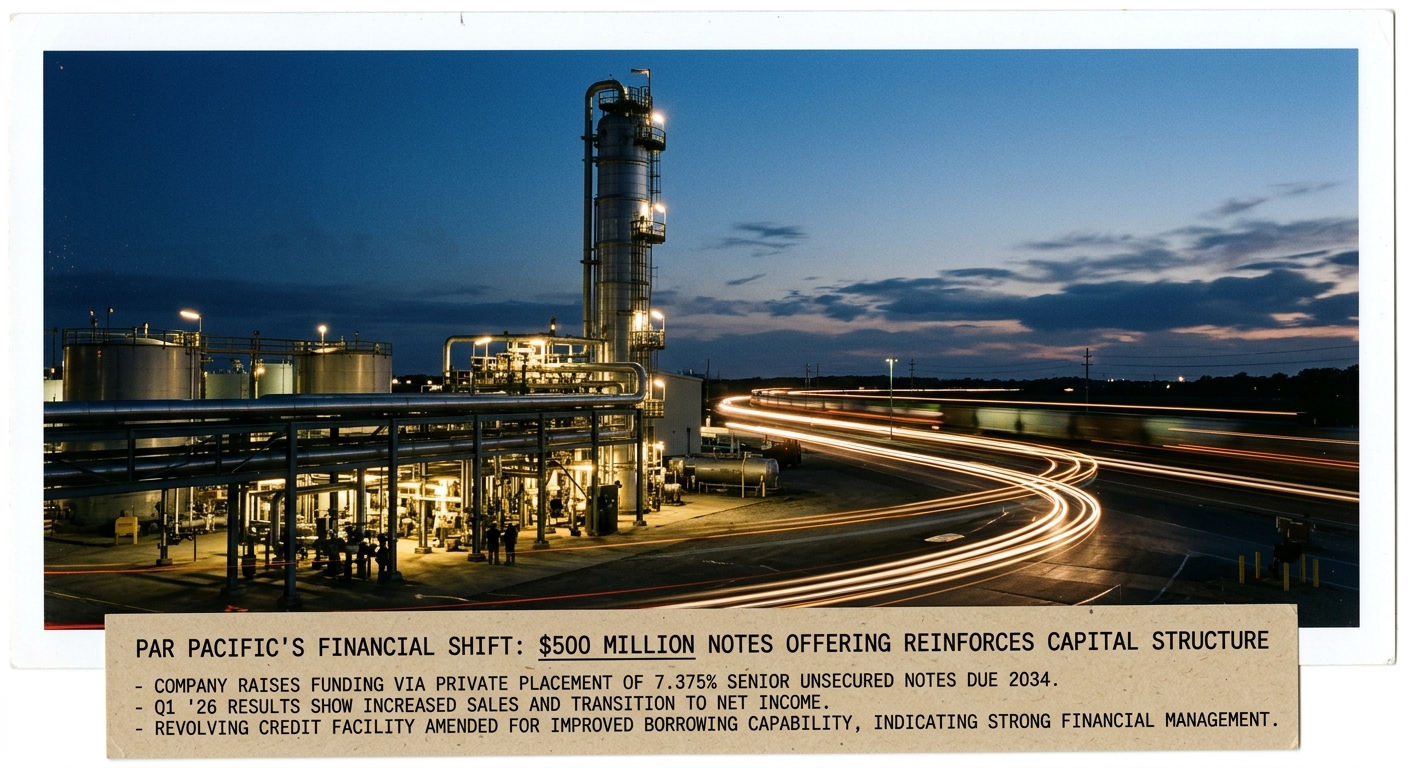
Par Pacific Strengthens Capital Structure with $500 Million Notes Offering and Improved Financial Performance
Par Pacific Holdings, Inc. has recently strengthened its capital structure by completing a $500 million private placement of 7.375% senior unsecured notes, which are set to mature on June 1, 2034. Thi…
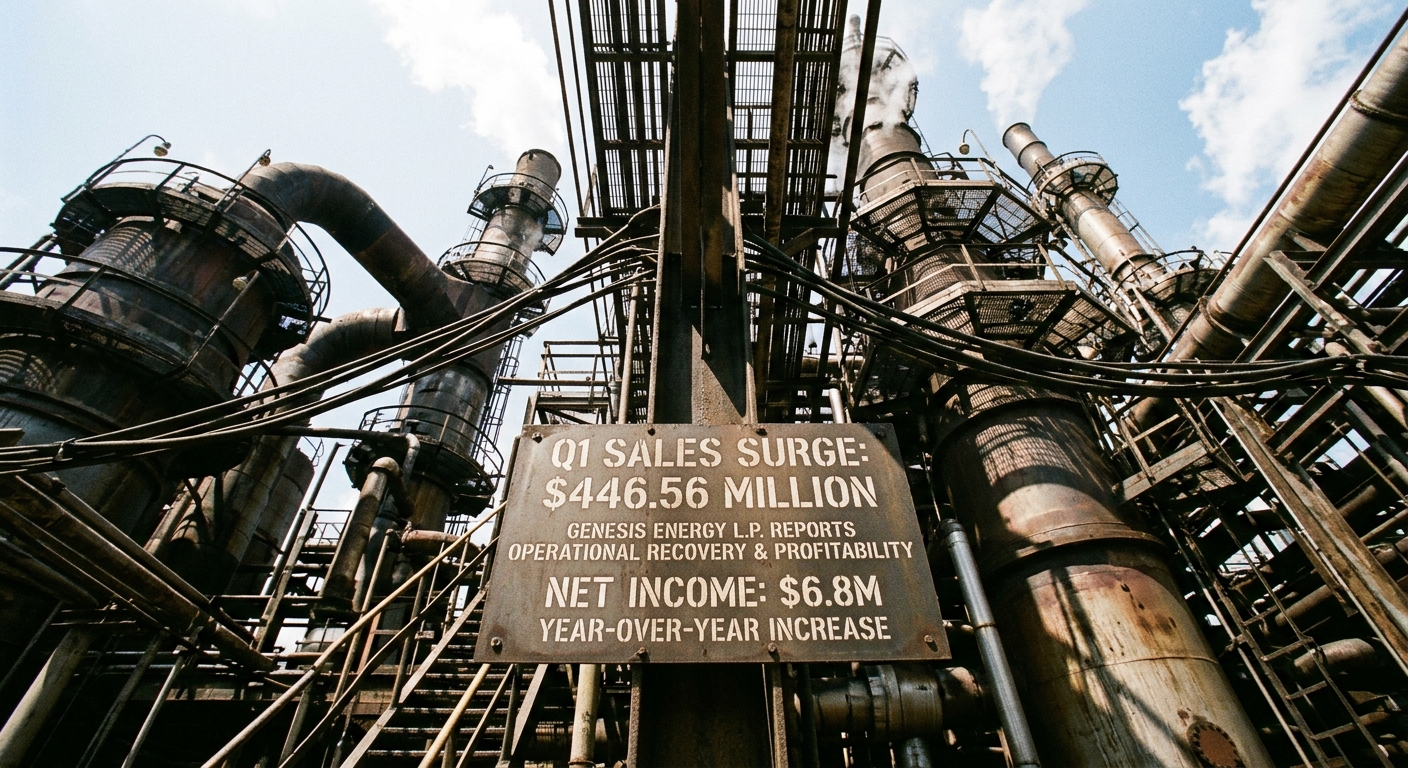
Genesis Energy L.P. Reports Q1 Profitability Surge with $446.56 Million in Sales
Genesis Energy L.P. (Ticker: UNDEFINED) announces its first-quarter financial results, signaling a resurgence in profitability and operational performance. The company reports total sales of $446.56 m…

Nordic American Tankers Finalizes New Leasing Contracts to Strengthen Cash Position and Dividends.
Nordic American Tankers (Ticker: NAT) has recently marked a significant milestone by finalizing multiple new vessel leasing contracts in a favorable tanker market. This strategic move is aimed at rein…