
Chevron and peers retreat from California refining amid regulatory pressure and write‑downs
- Chevron is moving its headquarters from San Ramon to Houston after over a century in California.
- Chevron reports $3.5–$4.0 billion in after-tax charges, with impairments concentrated in California.
- Chevron is reducing California exposure while Richmond and El Segundo refineries supply over 1,800 retail outlets.
Chevron’s California footprint shrinks as peers idle refineries amid regulatory pressure
Chevron and other major oil firms are scaling back refining activity in California as mounting regulatory costs and heavy write‑downs make local operations less viable, prompting closures, relocations and large impairment charges. In recent months Valero shutters its Benicia refinery — once capable of 170,000 barrels per day and employing more than 400 — and evaluates Benicia and Wilmington as having unrecoverable carrying values, while Phillips 66 has ceased operations at its Los Angeles refineries. Chevron, which announces a move of its headquarters from San Ramon to Houston after more than a century in the state, is also reducing its California exposure even as its Richmond and El Segundo refineries continue to supply over 1,800 retail outlets across the region.
Companies cite a combination of regulatory headwinds and reduced investment incentives as primary drivers of the pullback, with significant earnings impacts. Valero records $1.1 billion of write‑offs on California assets in the first quarter of 2025, and Chevron reports after‑tax charges of $3.5 billion to $4.0 billion earlier, with impairments concentrated in the state. Executives point to policies accelerating the shift away from fossil fuels and rising compliance costs as limiting alternatives and curtailing refinery reinvestment, a rationale that underpins recent decisions to idle or close sites and to rely more on inventories and imports to meet demand.
The retrenchment represents a strategic recalibration by refiners operating in a state that remains a large fuel market but one where future returns on refining capital are increasingly uncertain. Firms that remain active in California are evaluating how best to balance downstream supply obligations, regulatory compliance and capital allocation, while deciding whether to repurpose or exit assets that no longer meet returns thresholds.
Local supply ripple effects
The closures reduce regional refining capacity and affect specialized products such as asphalt — the Wilmington refinery historically supplied about 15% of Southern California’s asphalt — raising concerns among municipal and industry buyers about availability and logistics. Operators say they are managing short‑term supply through existing inventories and imports, but state and local agencies monitor potential gaps for construction and transportation sectors.
Industry strategy shift
The trend signals broader changes in refinery economics and corporate strategy, with major oil companies increasingly concentrating refinery investment where regulatory frameworks and returns align with long‑term plans. That shift influences employment, local tax bases and the pace at which the West Coast transitions its fuel supply chain toward lower‑carbon alternatives.
Related Cashu News
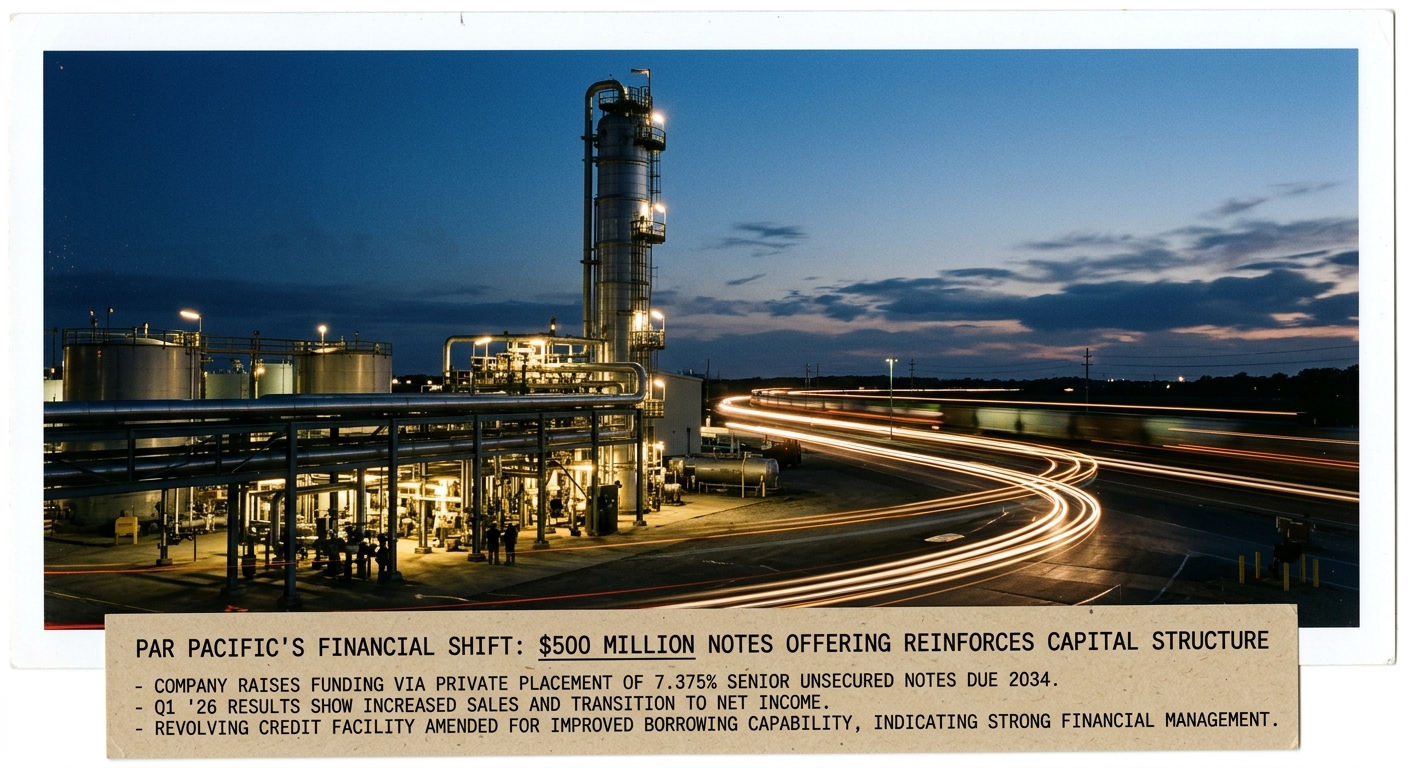
Par Pacific Strengthens Capital Structure with $500 Million Notes Offering and Improved Financial Performance
Par Pacific Holdings, Inc. has recently strengthened its capital structure by completing a $500 million private placement of 7.375% senior unsecured notes, which are set to mature on June 1, 2034. Thi…
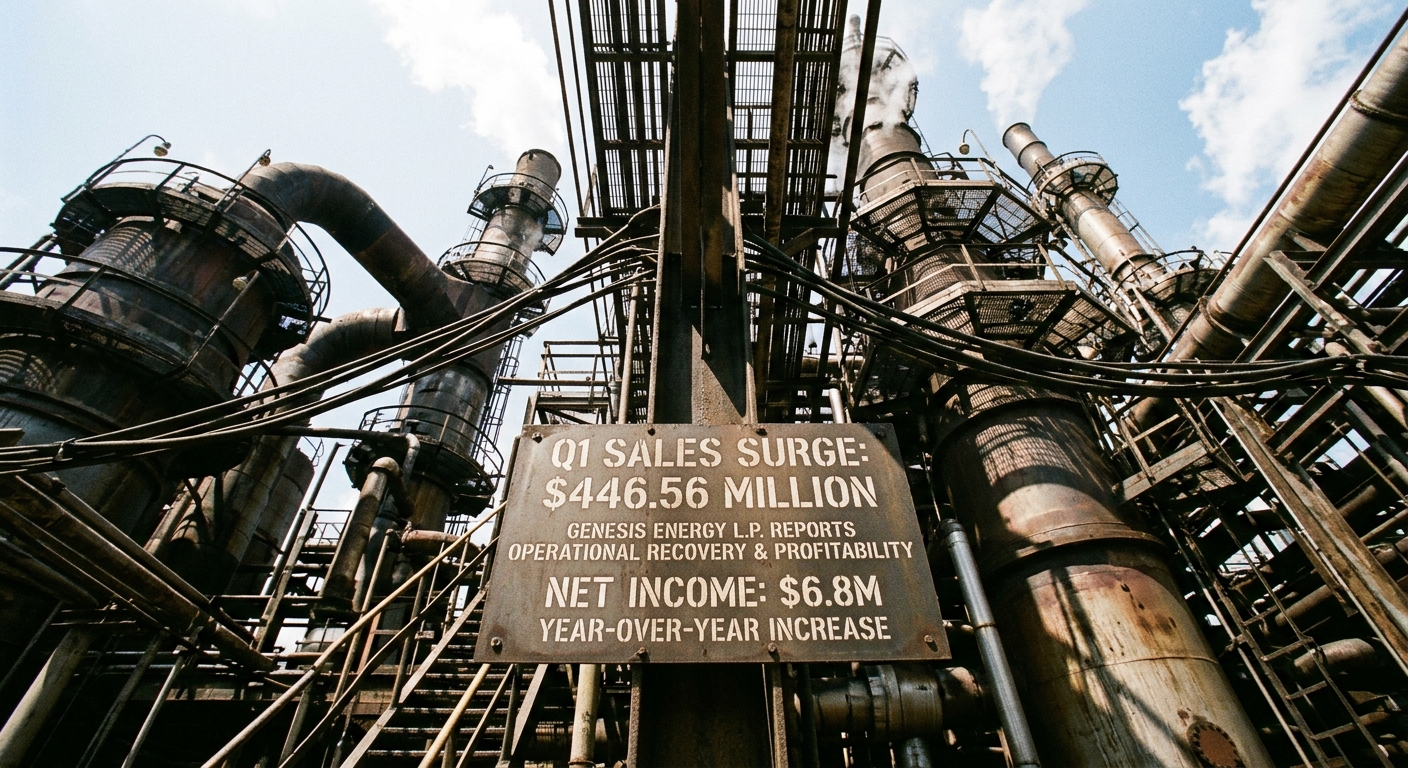
Genesis Energy L.P. Reports Q1 Profitability Surge with $446.56 Million in Sales
Genesis Energy L.P. (Ticker: UNDEFINED) announces its first-quarter financial results, signaling a resurgence in profitability and operational performance. The company reports total sales of $446.56 m…

Nordic American Tankers Finalizes New Leasing Contracts to Strengthen Cash Position and Dividends.
Nordic American Tankers (Ticker: NAT) has recently marked a significant milestone by finalizing multiple new vessel leasing contracts in a favorable tanker market. This strategic move is aimed at rein…

Marine Petroleum Trust Announces Quarterly Distribution Amid Fluctuating Energy Sector Conditions
Marine Petroleum Trust (Ticker: MARPS) announces a quarterly cash distribution of $0.096470 per unit, reflecting a decrease compared to prior distributions. This development highlights the trust's ong…