
Chevron Leans on Cash-Flow Resilience and Capital Discipline to Sustain Returns
- Chevron prioritizes capital discipline and steady free cash flow to fund debt reduction and shareholder returns without price spikes.
- Chevron's integrated upstream-downstream model converts oil-and-gas output into predictable cash streams during range-bound Brent and WTI.
- Chevron's operational flexibility, cost controls, and lower-cost assets sustain margins, fund returns, and preserve liquidity.
Chevron leans into cash-flow resilience as oil prices linger
Main Topic — Capital discipline and integrated operations drive resilience
Chevron is emphasizing disciplined capital allocation and steady free cash flow as its primary shield against volatile crude prices. The company deploys an integrated operating model that balances upstream production with downstream refining and chemicals, allowing it to convert oil-and-gas output into predictable cash streams even when Brent and WTI trade range-bound. That cash generation underpins a sustained focus on debt reduction, maintenance of investment-grade metrics and the capacity to fund shareholder returns without relying on cyclical price spikes.
The firm continues to prioritize shareholder returns through recurring dividends and targeted buybacks while setting conservative capital-spending plans. By leaning on lower-cost assets, project deferrals when appropriate, and efficiency gains across exploration and production, Chevron maintains production and margins that support continued payouts. Management’s emphasis on return of capital and capital-allocation discipline reinforces the company’s operational model as one that aims to perform through commodity cycles rather than depend on near-term price jumps.
Operational and portfolio flexibility further complements the balance-sheet strategy. Chevron’s asset mix and downstream integration provide optionality to shift cash generation between segments, and ongoing cost-control measures sustain free cash flow. This approach positions the company to sustain investment in higher-return projects, meet environmental and transition commitments incrementally, and preserve liquidity for strategic moves while keeping a conservative financial posture.
Market backdrop and technical drivers
Across the energy sector, capital is rotating into companies that combine resilient cash flow, disciplined spending and explicit capital-return policies. That shift reflects broader investor preference for income-generating, value-oriented firms amid expectations of modest supply growth and a robust oil-demand outlook.
Technical and macro factors amplify the dynamic: analysts’ coverage changes, activist involvement in select names, declining short interest and concentrated ETF flows are reinforcing demand for energy equities. Geopolitical supply concerns and the prospect of relatively restrictive central-bank policy are also supporting the sector’s defensive, income-focused appeal.
Related Cashu News

Kimbell Royalty Partners LP Acquires $147 Million in Oil and Gas Interests from Mesa Royalties
Kimbell Royalty Partners LP (Ticker: UNDEFINED) announces a major acquisition that significantly enhances its position in the oil and gas mineral and royalty sector. The deal, valued at approximately…
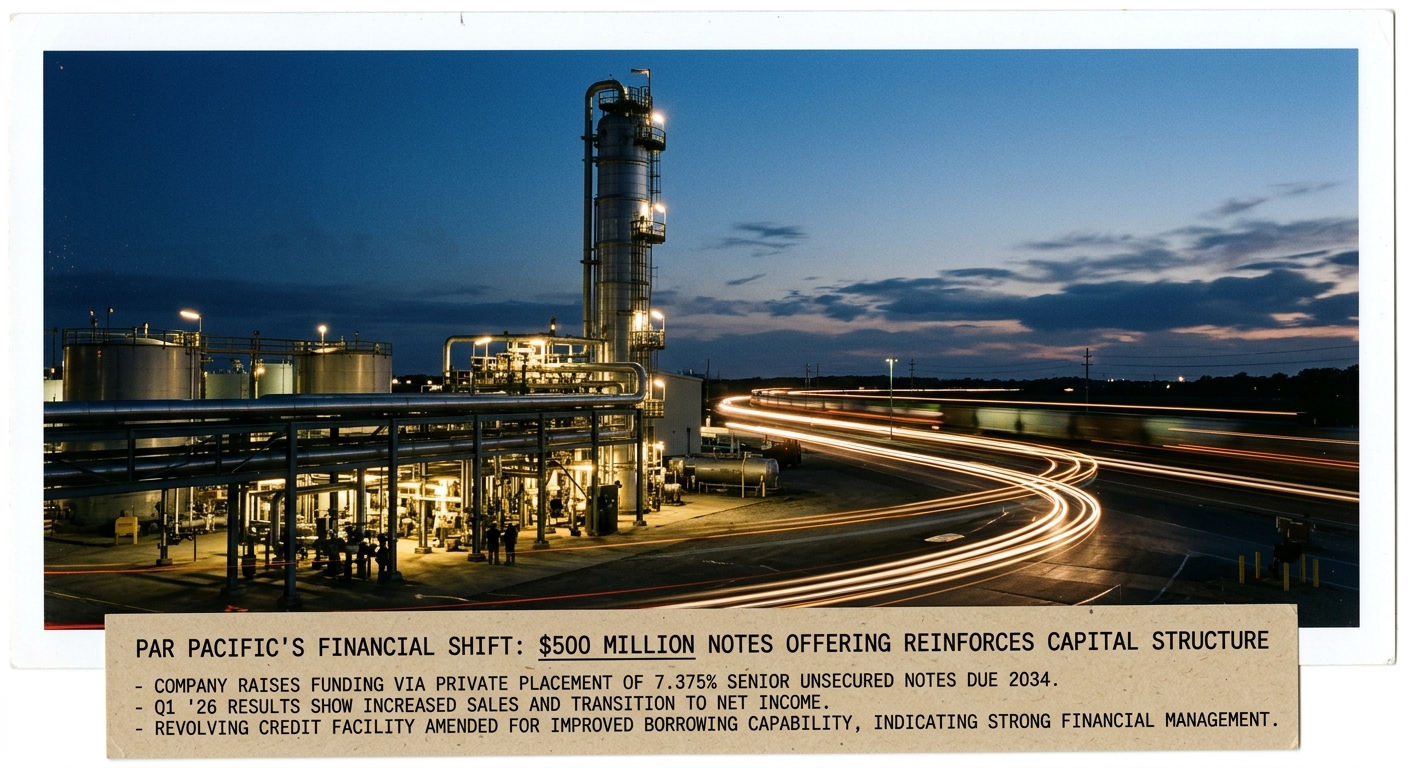
Par Pacific Strengthens Capital Structure with $500 Million Notes Offering and Improved Financial Performance
Par Pacific Holdings, Inc. has recently strengthened its capital structure by completing a $500 million private placement of 7.375% senior unsecured notes, which are set to mature on June 1, 2034. Thi…
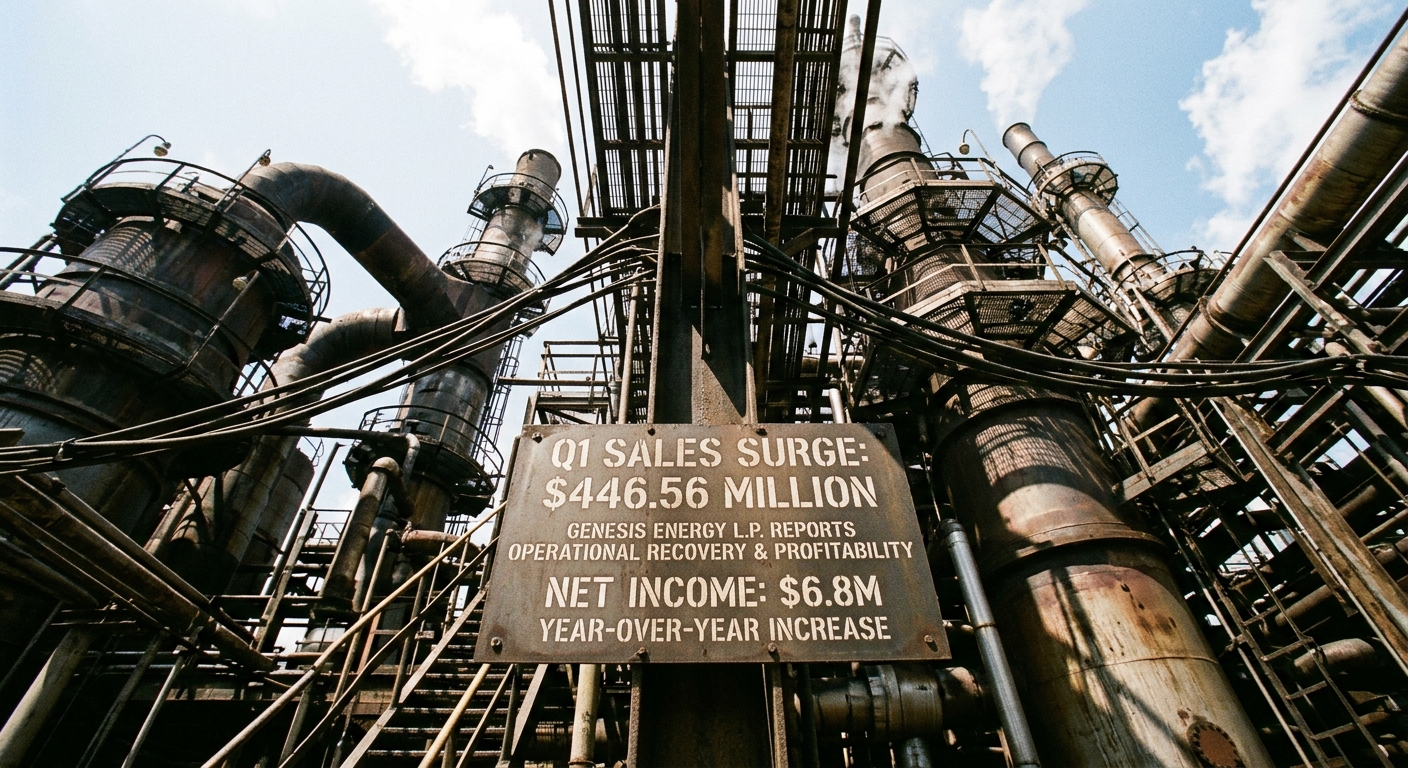
Genesis Energy L.P. Reports Q1 Profitability Surge with $446.56 Million in Sales
Genesis Energy L.P. (Ticker: UNDEFINED) announces its first-quarter financial results, signaling a resurgence in profitability and operational performance. The company reports total sales of $446.56 m…

Nordic American Tankers Finalizes New Leasing Contracts to Strengthen Cash Position and Dividends.
Nordic American Tankers (Ticker: NAT) has recently marked a significant milestone by finalizing multiple new vessel leasing contracts in a favorable tanker market. This strategic move is aimed at rein…