
Chevron Navigates Energy Supply Risks Amid Geopolitical Turmoil and Market Uncertainty
- Chevron's CEO highlights energy security risks due to geopolitical tensions affecting global oil supplies, particularly in the Strait of Hormuz.
- The company must adapt pricing strategies to react to potential supply challenges and avoid demand destruction.
- Chevron and industry peers monitor the impact of rising diesel prices on consumers amid ongoing geopolitical uncertainties.
Chevron Faces Energy Supply Challenges Amid Geopolitical Tensions
Chevron's CEO Mike Wirth addresses an urgent issue impacting the energy sector: the ongoing geopolitical tensions and their implications for global oil supplies, particularly regarding the Strait of Hormuz. Speaking at the CERAWeek conference in Houston, Wirth highlights that nearly 20% of the world's daily crude oil and liquefied natural gas pass through this critical waterway. Disruptions in this area have raised substantial concerns over energy security, prompting calls from industry leaders, including Wirth, for immediate attention to these supply chain vulnerabilities. He asserts that the ramifications of such disruptions are not only critical for regional economies but resonate deeply throughout the broader global energy market.
The complexity of current market dynamics makes it essential for companies like Chevron to assess pricing strategies with agility. Wirth emphasizes the necessity for market participants to acknowledge and react to supply challenges, warning that if Brent crude prices surge past $120 a barrel, it could lead to significant demand destruction. Industry peers echo his sentiments, noting that while high energy costs present a short-term challenge, the potential long-term impacts on economic growth and living costs could be dire. CEOs from major energy firms, including TotalEnergies and ADNOC, amplify this message, cautioning that the disruptions may require a strategic response that prioritizes stability within the market.
Further complicating the landscape, U.S. Energy Secretary Chris Wright suggests that successful economic negotiations with Iran might ease tensions and subsequently allow the reopening of the Strait of Hormuz. This would potentially stabilize energy prices, providing relief to consumers and reinvigorating economic activity stifled by the current high price levels. The situation remains tightly interwoven with international diplomacy, as U.S. efforts to navigate the energy crisis reflect a broader strategy to influence the dynamics of supply and demand in the oil markets.
In the backdrop of these industry developments, the rising national average diesel prices, currently at $5.28 per gallon, underscore the immediate repercussions of geopolitical tensions on consumers. Chevron and its competitors remain on high alert as they navigate these complex challenges, striving to maintain operational resilience and ensure a steady energy supply amidst evolving global conditions.
Related Cashu News
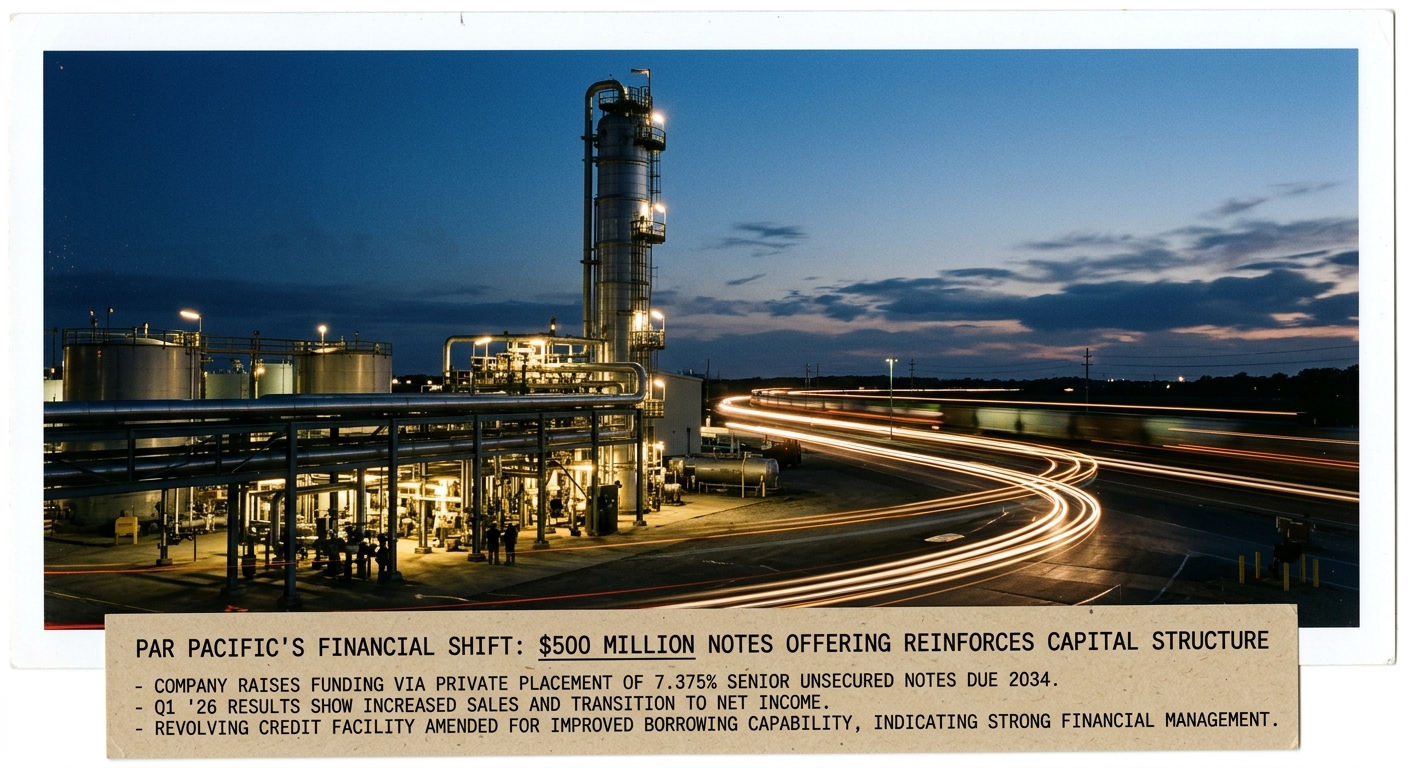
Par Pacific Strengthens Capital Structure with $500 Million Notes Offering and Improved Financial Performance
Par Pacific Holdings, Inc. has recently strengthened its capital structure by completing a $500 million private placement of 7.375% senior unsecured notes, which are set to mature on June 1, 2034. Thi…
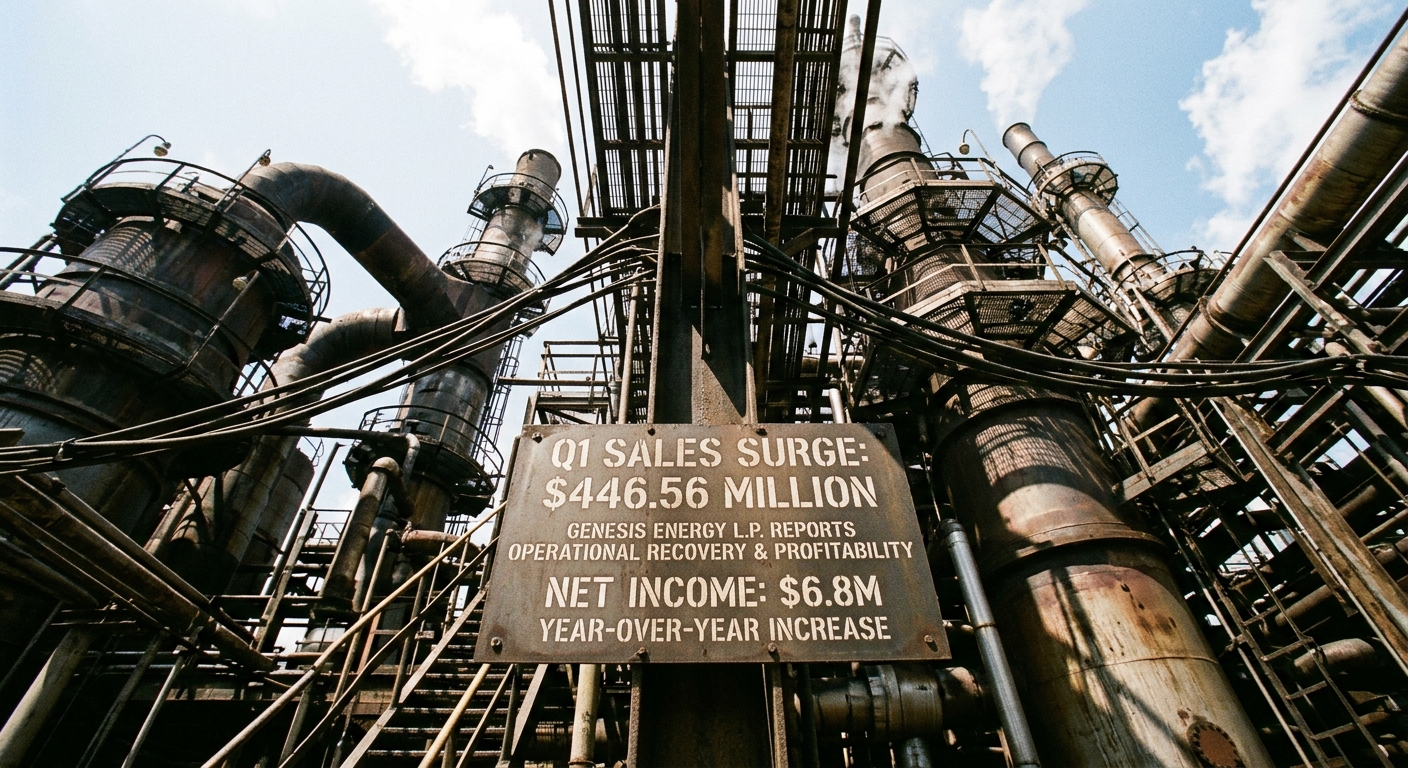
Genesis Energy L.P. Reports Q1 Profitability Surge with $446.56 Million in Sales
Genesis Energy L.P. (Ticker: UNDEFINED) announces its first-quarter financial results, signaling a resurgence in profitability and operational performance. The company reports total sales of $446.56 m…

Nordic American Tankers Finalizes New Leasing Contracts to Strengthen Cash Position and Dividends.
Nordic American Tankers (Ticker: NAT) has recently marked a significant milestone by finalizing multiple new vessel leasing contracts in a favorable tanker market. This strategic move is aimed at rein…

Marine Petroleum Trust Announces Quarterly Distribution Amid Fluctuating Energy Sector Conditions
Marine Petroleum Trust (Ticker: MARPS) announces a quarterly cash distribution of $0.096470 per unit, reflecting a decrease compared to prior distributions. This development highlights the trust's ong…