
Chevron Navigates Oil Supply Challenges Amid Escalating Geopolitical Tensions in the Middle East
- Chevron is affected by escalating Middle East tensions, threatening operational stability and global oil supply chains.
- Rising freight rates for Very Large Crude Carriers increase Chevron's shipping costs, impacting overall profitability and logistics.
- Prolonged conflicts may force Chevron to adjust production and pricing strategies to mitigate inflationary pressures on the economy.
Chevron and the Impact of Geopolitical Tensions on Oil Supply
Chevron faces a critical moment as geopolitical tensions in the Middle East escalate, profoundly affecting global oil supply and prices. The current U.S.-Iran conflict intensifies concerns about the security of the Strait of Hormuz, a vital maritime passage for approximately one-third of the world's seaborne oil trade. Increasingly aggressive rhetoric from Iranian officials, including threats to target vessels in the Strait, exacerbates an already volatile situation. The geopolitical unrest not only threatens Chevron’s operational stability but also heightens the risk of significant disruptions to oil logistics and transportation, which are essential for the company's global supply chains.
Amid these tensions, recent data indicates a sharp rise in freight rates for Very Large Crude Carriers (VLCCs), which transport substantial quantities of oil from the Middle East, illustrating the immediate effects of rising risk levels on shipping costs. The spike to $423,736 per day marks a staggering 94% increase within just a few days. This surge in freight expenses directly impacts Chevron’s bottom line and operational strategies, as the company must navigate pricing pressures while ensuring delivery mechanisms remain intact. With maritime insurers withdrawing coverage for vessels in the region due to heightened conflict risks, the oil giant now faces additional logistical hurdles and increased costs.
Furthermore, as the global oil market reacts to these developments, Chevron's strategic decisions regarding its production levels and pricing structures become crucial. Market analysts emphasize that a prolonged conflict could lead to inflationary pressures, significantly impacting not only Chevron but also the wider economy. The potential for supply chain disruptions underlines the necessity for Chevron to adjust its risk assessment and explore alternative logistics routes, ensuring that it maintains a competitive edge in both pricing and supply reliability during an uncertain geopolitical landscape.
In other relevant developments, the European Union has called for restraint and the prioritization of civilian safety amid rising tensions in the region. This appeal highlights the broader implications of conflict on international stability and economic health, reinforcing the interconnectedness of geopolitical affairs and market dynamics. As Chevron and other major oil producers monitor the evolving situation closely, the focus remains on securing delivery avenues and maintaining operational resilience in the face of unprecedented volatility.
Related Cashu News
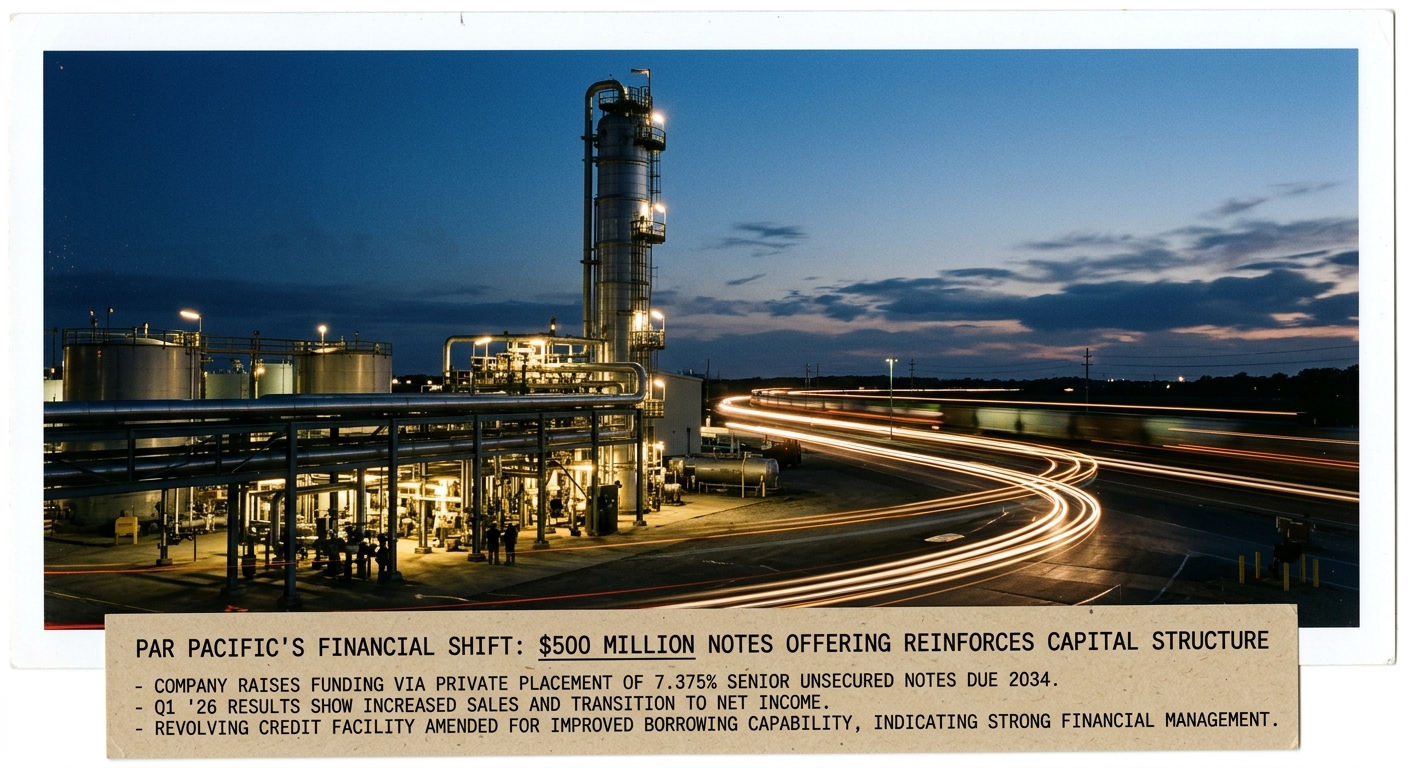
Par Pacific Strengthens Capital Structure with $500 Million Notes Offering and Improved Financial Performance
Par Pacific Holdings, Inc. has recently strengthened its capital structure by completing a $500 million private placement of 7.375% senior unsecured notes, which are set to mature on June 1, 2034. Thi…
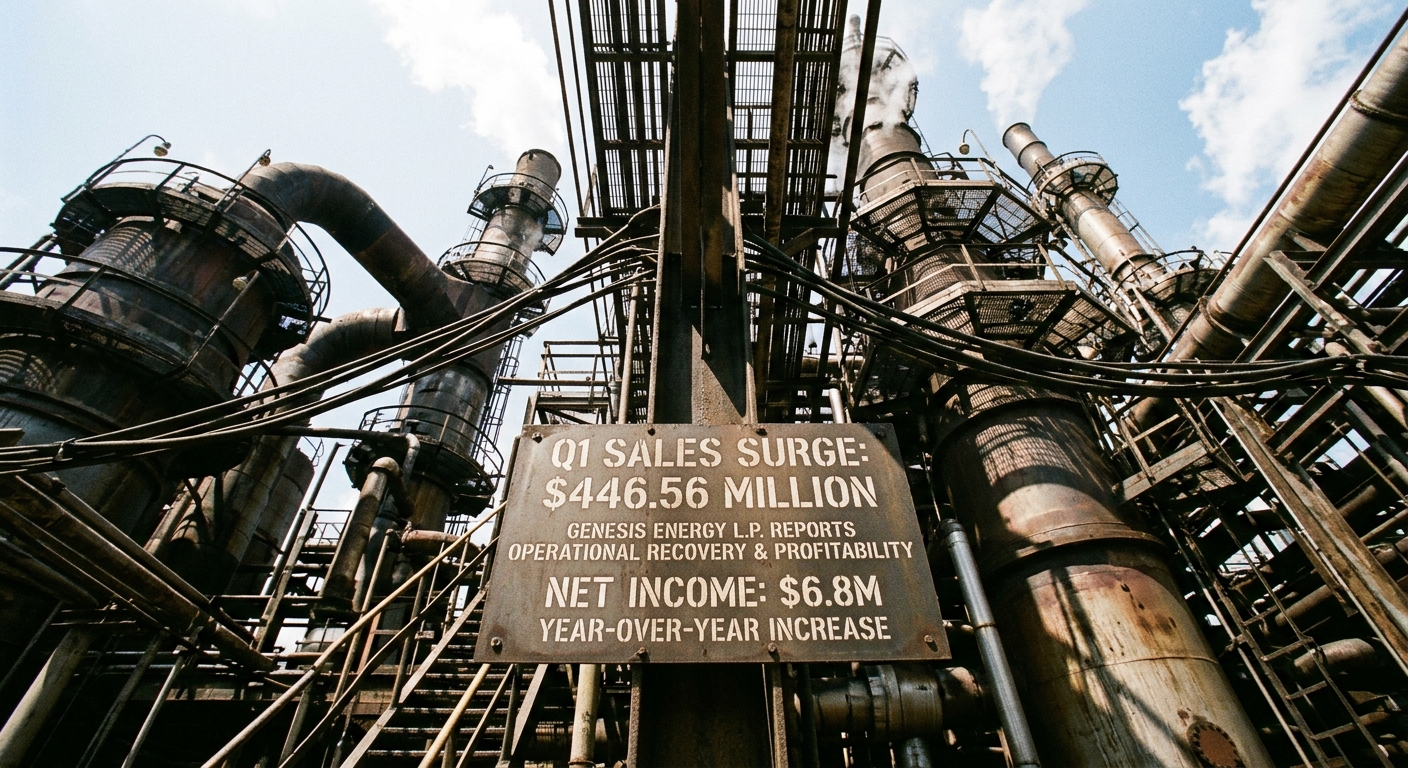
Genesis Energy L.P. Reports Q1 Profitability Surge with $446.56 Million in Sales
Genesis Energy L.P. (Ticker: UNDEFINED) announces its first-quarter financial results, signaling a resurgence in profitability and operational performance. The company reports total sales of $446.56 m…

Nordic American Tankers Finalizes New Leasing Contracts to Strengthen Cash Position and Dividends.
Nordic American Tankers (Ticker: NAT) has recently marked a significant milestone by finalizing multiple new vessel leasing contracts in a favorable tanker market. This strategic move is aimed at rein…

Marine Petroleum Trust Announces Quarterly Distribution Amid Fluctuating Energy Sector Conditions
Marine Petroleum Trust (Ticker: MARPS) announces a quarterly cash distribution of $0.096470 per unit, reflecting a decrease compared to prior distributions. This development highlights the trust's ong…