
Chevron Outlines Plan to Power AI Data Centers While Shielding Consumers
- Chevron plans to supply AI data‑centre power using domestic resources while avoiding higher consumer energy costs.
- It emphasizes coordinating with regulators and grids to add capacity, prevent bottlenecks, and ensure continuous supply.
- Chevron advocates pragmatic supply‑side measures and utility partnerships to sustain AI growth without shifting costs to households.
Energy Strategy at a Turning Point
Chevron is outlining a strategy to supply the surging power needs of artificial intelligence infrastructure while shielding consumers from higher costs, the company’s chief executive is saying. As AI models drive demand for large, energy‑intensive data centres, Chevron frames its role as ensuring reliable U.S. energy supply and infrastructure to support that growth. The approach emphasises using domestic resources and targeted investments in capacity to meet load without immediate price shocks to households.
Chevron’s plan positions the oil major to compete in debates over how to scale electricity for next‑generation computing, focusing on continuity of supply as private and public sectors expand data‑centre footprints. Company executives underline coordination with regulators and grid operators to avoid bottlenecks and to time capacity additions with market needs. Visuals of modern AI‑ready campuses, including a seven‑acre COL4 site near long‑haul fiber convergence in Columbus, Ohio, underscore the geographic concentration of new, power‑dense facilities and the infrastructure challenges they present.
The strategy also frames energy policy trade‑offs as Washington and industry wrestle with decarbonisation goals, grid reliability and economic impacts. Chevron stresses pragmatic steps — from supply‑side measures to partnerships with utilities — that aim to sustain AI growth without passing disproportionate costs to consumers or destabilising grid operations. The company’s stance invites policymakers to reconcile industrial power demand with broader climate and consumer protection priorities as AI deployment accelerates.
Broader industry voices weigh in
Technology leaders push back on dystopian narratives about AI and jobs. Palantir’s chief technology officer argues that AI creates employment opportunities in industry and healthcare by augmenting labor, urging pragmatic deployment in factories and hospitals rather than embracing doomsday scenarios that dominate headlines.
High‑profile commentators add volatility to the debate. Elon Musk’s suggestion that AI could make traditional retirement saving obsolete within a 10–20 year horizon draws controversy and underscores the spectrum of opinions about AI’s social and economic consequences, reinforcing calls for policymakers, business leaders and workers to confront trade‑offs as investment in AI scales.
Related Cashu News
Kimbell Royalty Partners LP Acquires $147 Million in Oil and Gas Interests from Mesa Royalties
Kimbell Royalty Partners LP (Ticker: UNDEFINED) announces a major acquisition that significantly enhances its position in the oil and gas mineral and royalty sector. The deal, valued at approximately…
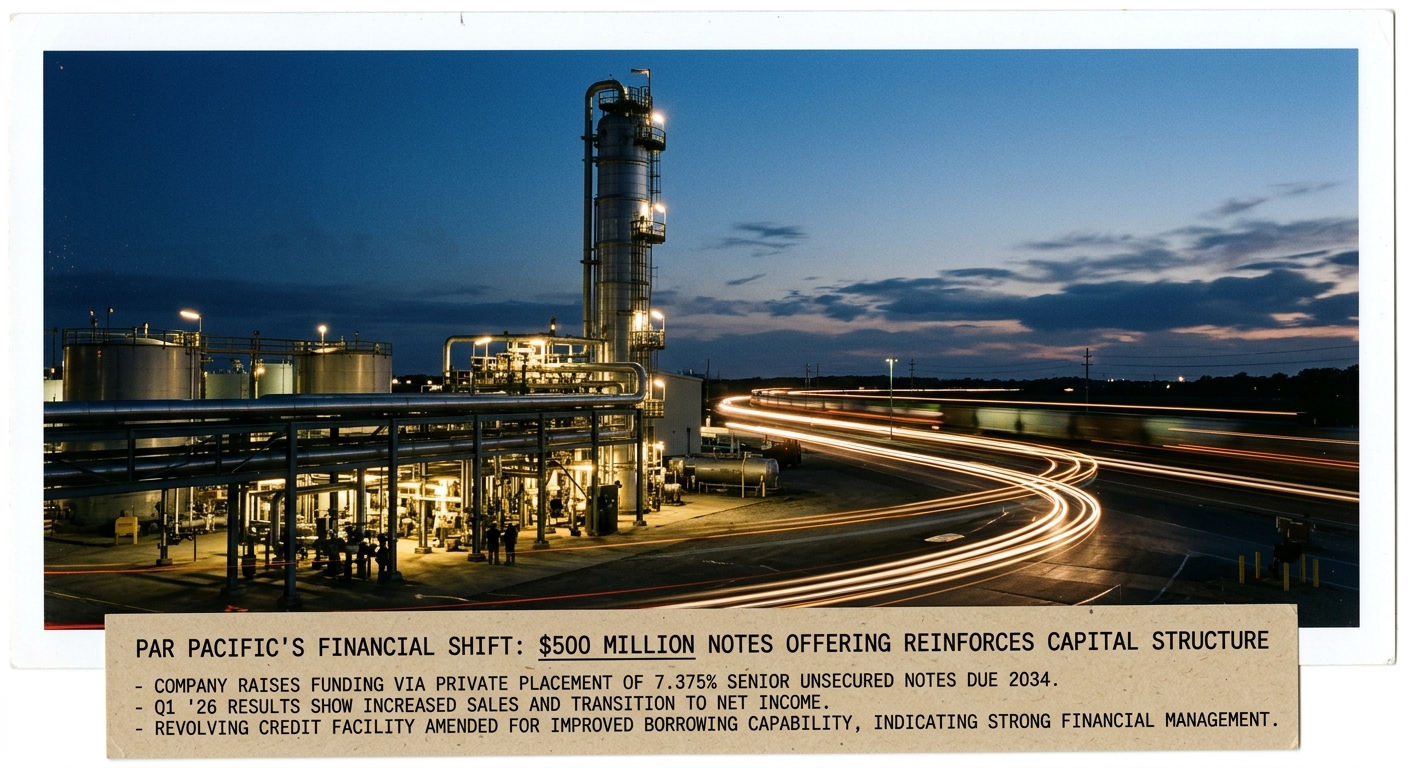
Par Pacific Strengthens Capital Structure with $500 Million Notes Offering and Improved Financial Performance
Par Pacific Holdings, Inc. has recently strengthened its capital structure by completing a $500 million private placement of 7.375% senior unsecured notes, which are set to mature on June 1, 2034. Thi…
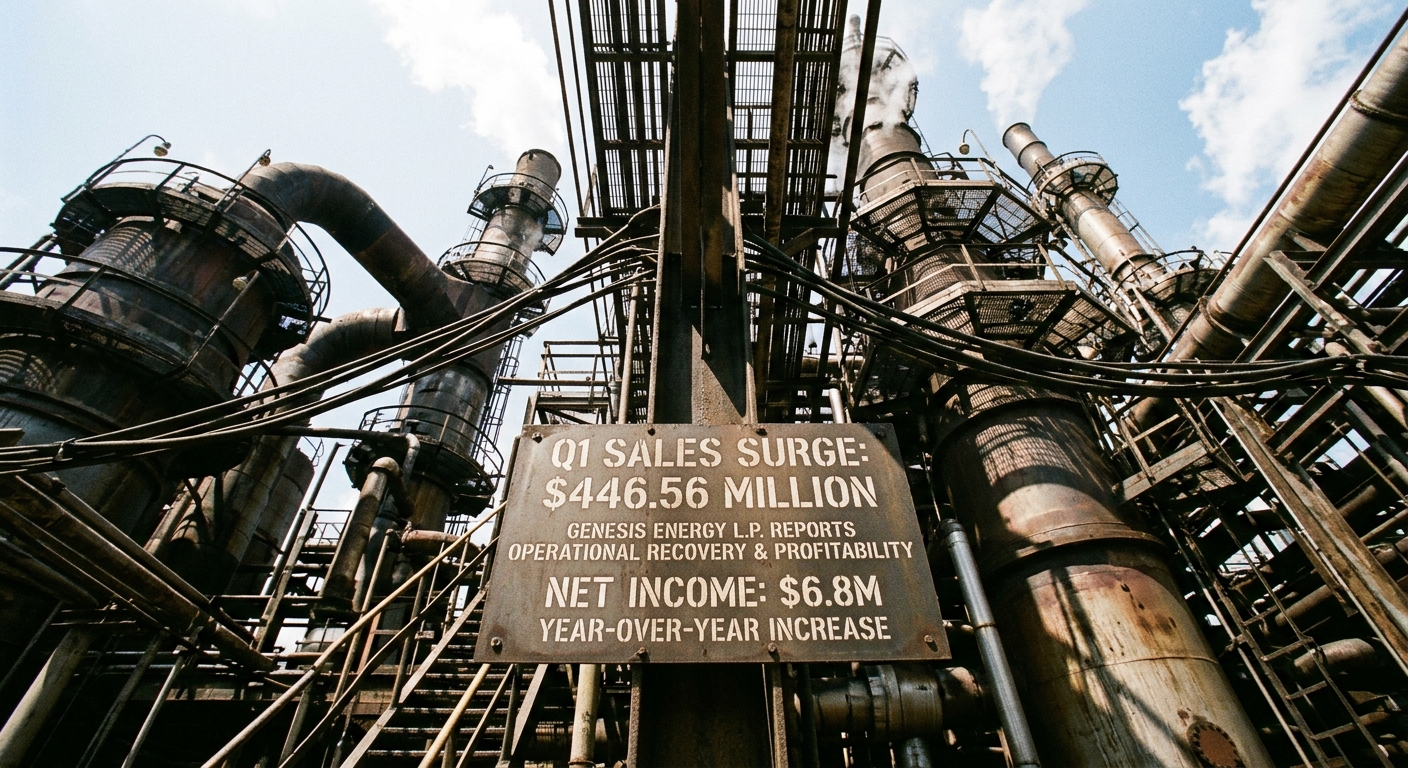
Genesis Energy L.P. Reports Q1 Profitability Surge with $446.56 Million in Sales
Genesis Energy L.P. (Ticker: UNDEFINED) announces its first-quarter financial results, signaling a resurgence in profitability and operational performance. The company reports total sales of $446.56 m…

Nordic American Tankers Finalizes New Leasing Contracts to Strengthen Cash Position and Dividends.
Nordic American Tankers (Ticker: NAT) has recently marked a significant milestone by finalizing multiple new vessel leasing contracts in a favorable tanker market. This strategic move is aimed at rein…