
City Budget Standoff Threatens Property Taxes, Empire State Realty OP LP Impacted
- Empire State Realty OP LP is eyeing potential property tax impacts from the city budget standoff. • The preliminary 2027 budget debate puts Empire State Realty OP LP in the spotlight for tax increases. • As a major Manhattan owner-operator, Empire State Realty OP LP would face higher operating costs and deferred improvements.
City budget standoff puts commercial landlords in the crosshairs
Empire State Realty eyeing potential property tax impact
New York’s preliminary fiscal 2027 budget debate is putting commercial property owners such as Empire State Realty OP LP squarely in the spotlight as Mayor Zohran Mamdani presses the State to raise taxes on the ultra‑wealthy and profitable corporations. The mayor frames a binary choice: Albany can act to shore up city finances, or New York City will resort to the one revenue tool fully within its control — raising property taxes and drawing on reserves. For large office landlords, any shift toward property tax hikes signals higher operating costs and a renewed expense burden that can be passed on to tenants or absorbed through tighter building budgets.
Empire State Realty, as an owner-operator of major Manhattan office and retail assets, is positioned to feel the immediate operational consequences of a city‑level move toward property taxation. Higher property levies increase annual carrying costs, complicate long-term leasing negotiations and can accelerate landlords’ decisions to defer or reprioritize capital improvements. Building operators may try to mitigate through service charge adjustments or restructured leases, but persistent tax pressure risks reducing demand in a market already adjusting to flexible office use and could push building owners to reassess maintenance and tenant amenity spending.
The prospect of drawing down city reserves to avoid tax hikes presents a temporary reprieve but raises concerns about future fiscal flexibility that could lead to steeper measures later. For large landlords, uncertainty over the tax outlook amplifies budgeting risk: planning for capital projects, energy upgrades, and tenant improvement allowances becomes harder when a core expense base may shift. Industry groups and property owners are likely to increase engagement with city and state officials as the City Council reviews enacted budgets and as Albany considers statewide revenue options.
Mamdani, a self‑described Democratic socialist, tells voters and officials the preliminary plan “takes the only path within our control” while urging Albany to correct what he calls a fiscal imbalance between city and state. He warns that absent statewide tax changes the city would otherwise implement regressive property-tax hikes and reserve draws that disproportionately affect renters and homeowners across the five boroughs.
The mayor quantifies the shortfall at $5.4 billion and reiterates his legal duty to balance the budget, stressing the City Council must green‑light any enacted measures. He communicates the choices on social media and in interviews, making clear that property-tax increases are a last resort but an available lever if Albany declines to act.
Related Cashu News

Invitation Homes Positioned for Growth Amid Favorable Housing Legislation and Strong Market Demand
Invitation Homes (Ticker: INVH) navigates a pivotal moment in the housing market as it adapts to recent changes in U.S. housing legislation. Earlier this month, the investment firm Raymond James upgra…

Apple Hospitality REIT Reports Q1 2026 Revenue Increase and Raises Full-Year Income Guidance
Apple Hospitality REIT, Inc. (Ticker: UNDEFINED) has unveiled its first-quarter financial results for 2026, showcasing a notable revenue increase juxtaposed with a slight decline in net income. The co…
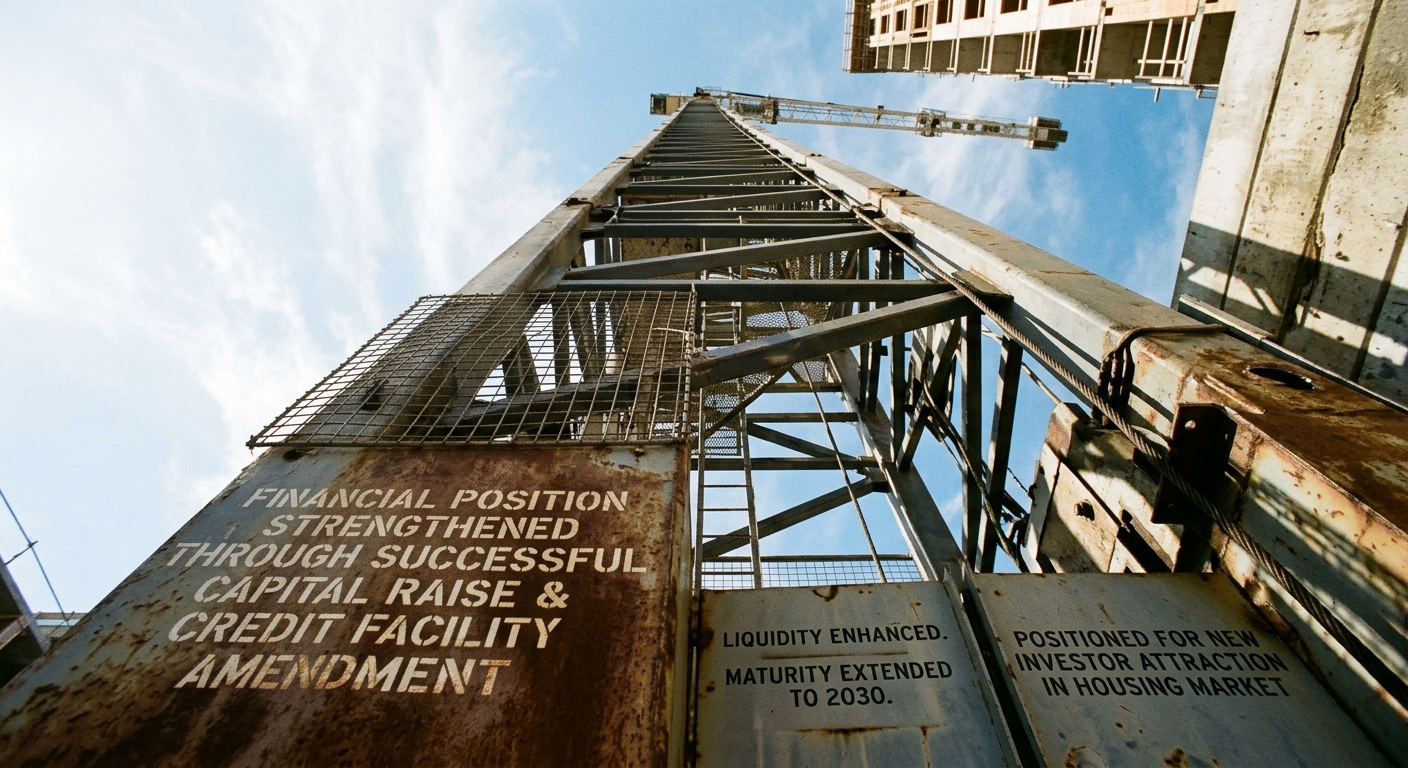
UMH Properties Strengthens Financial Position with Successful Capital Raise and Credit Facility Amendment
UMH Properties, Inc. (Ticker: UNDEFINED) is enhancing its financial framework, which underscores its strategic positioning in the manufactured housing sector. Strategic Financial Maneuvers by UMH Prop…

Independence Realty Trust Increases Dividend to Enhance Shareholder Returns Amid Market Changes
Independence Realty Trust (Ticker: IRT) reveals a strategic decision to enhance shareholder returns through a substantial increase in its quarterly dividend, showcasing its dedication to both its inve…