
Commercial Vehicle Group: Navigating Supply Chain Challenges Amid Geopolitical Unrest
- Commercial Vehicle Group faces supply chain challenges due to geopolitical tensions affecting material sourcing and production timelines.
- CVG is enhancing supply chain resilience through diverse suppliers, advanced logistics, and strategic partnerships to mitigate disruptions.
- A robust supply chain strategy is vital for CVG's operational efficiency and growth amid increasing demand and economic changes.
Navigating Supply Chain Challenges in the Commercial Vehicle Industry
Commercial Vehicle Group (CVG) faces significant challenges in navigating complex supply chain dynamics amid heightened geopolitical tensions. As the global landscape shifts, companies engaged in providing parts and services to the commercial vehicle industry must adapt to disruptions that stem from conflicts and logistical barriers. The ongoing tensions in regions like Iran not only impact market confidence but also present unique hurdles for CVG in sourcing materials and maintaining production timelines. Effective supply chain management becomes pivotal, as delays or shortages can severely disrupt operations and compromise the company's competitive edge.
In response to these challenges, CVG is likely honing in on enhancing its supply chain resilience. This entails diversifying suppliers, investing in advanced logistics technology, and developing strategic partnerships with key stakeholders. By focusing on these strategies, CVG can better anticipate and mitigate the effects of geopolitical conflicts and resource scarcity. This proactive approach is vital given the cyclical nature of the commercial vehicle sector, which faces increasing demand pressures as economies emerge from pandemic-related slowdowns. The ability to effectively manage supply chains directly influences the production capabilities and responsiveness of companies like CVG in granting them an advantage in a rapidly evolving market landscape.
Looking ahead, the implications of fluctuating supply chains could create both challenges and opportunities for CVG. While external pressures may strain operational efficiency in the short term, a robust and adaptable supply chain strategy could position the company favorably as the market stabilizes. As inflationary pressures potentially resurface, demand for commercial vehicles—including trucks, buses, and specialty vehicles—may increase, as these assets are essential for transportation and logistics needs. Thus, CVG's success in navigating these supply chain complexities can not only determine its operational health but also shape its overall growth trajectory in the commercial vehicle sector.
In addition to supply chain concerns, CVG must remain vigilant regarding consumer behavior in response to economic changes. The adaptive strategies employed in managing supply chains can lead to improved service delivery and customer satisfaction, which are critical in maintaining long-term relationships with clients. As the market adjusts to geopolitical fluctuations, stakeholders will closely monitor how CVG leverages its operational strategies to uphold performance and meet the evolving needs of its customers.
Overall, navigating supply chain challenges amid geopolitical unrest presents both significant risks and potential avenues for growth for Commercial Vehicle Group. As the situation continues to develop, the resilience and adaptability of CVG's supply chain philosophy will be crucial in shaping the company's future in the commercial vehicle landscape.
Related Cashu News
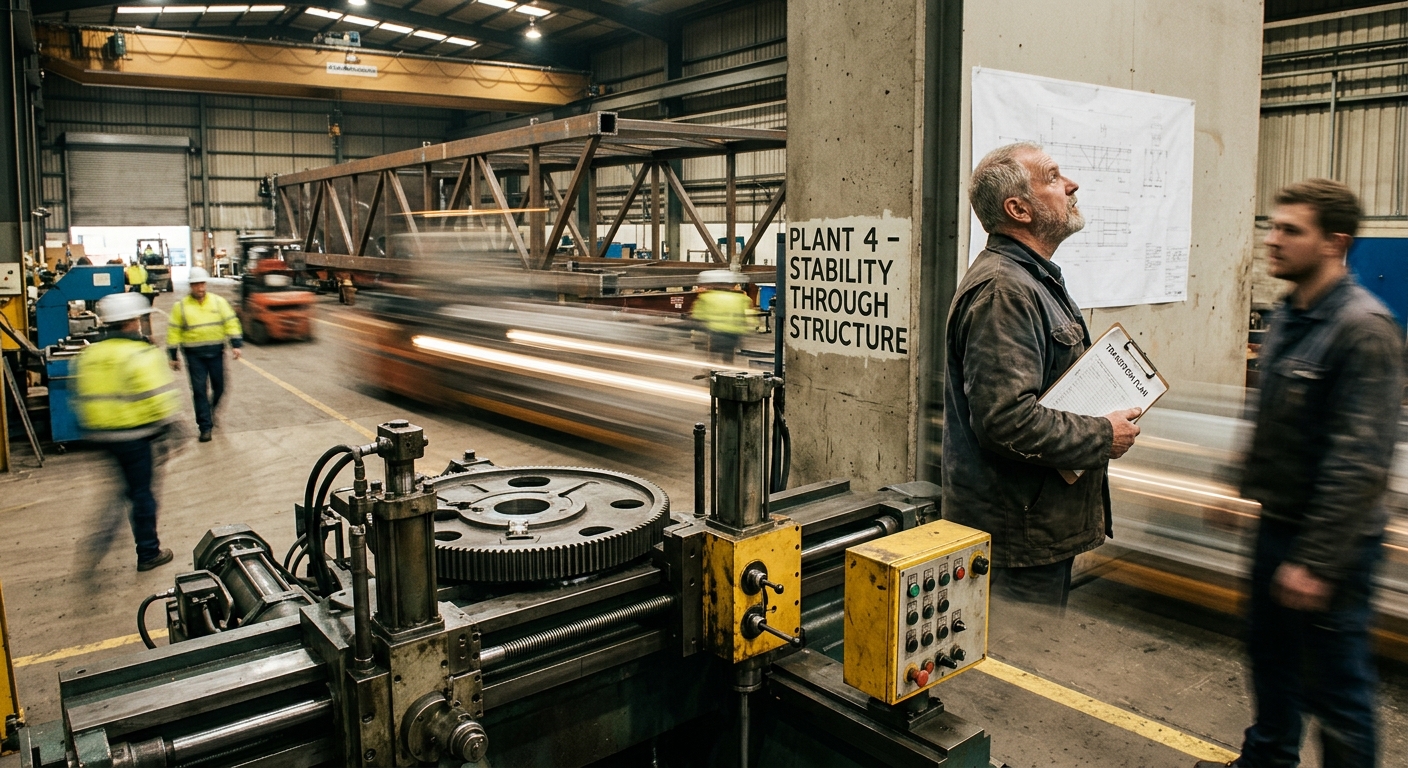
Icahn Enterprises L.P. Announces Key Leadership Changes for Corporate Stability and Strategy Continuity
Icahn Enterprises L.P. has made significant leadership changes aimed at stabilizing the company's corporate structure during a period of strategic evolution. Ted Papapostolou, a seasoned finance execu…

Thermon Group Holdings' Fiscal Year 2026: Resilience Amidst Revenue Growth and Margin Pressure
Thermon Group Holdings (Ticker: THR) navigates a challenging fiscal landscape as it releases its fiscal year 2026 results, showcasing both significant revenue achievements and persistent pressure on p…
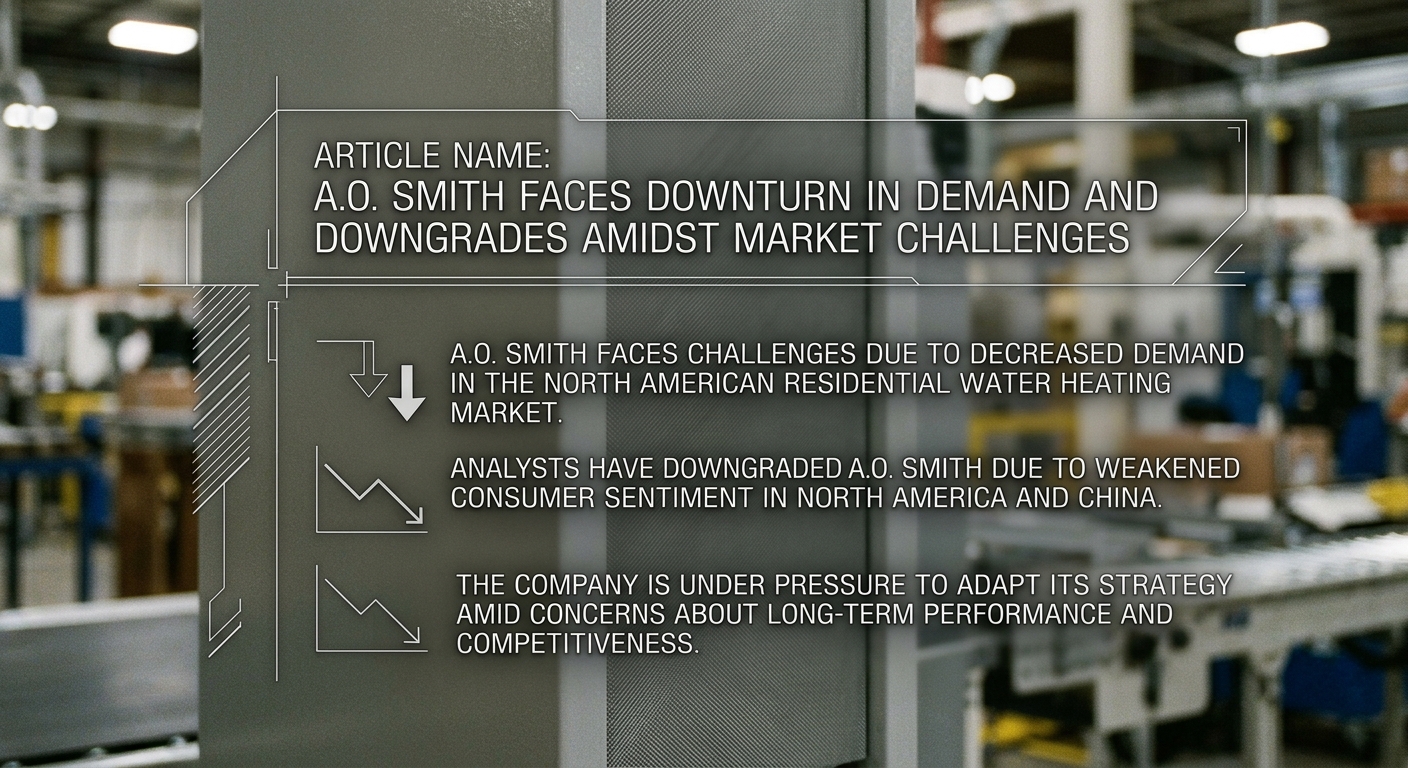
A.O. Smith Faces Downturn in Demand and Downgrades Amidst Market Challenges
A. O. Smith faces significant challenges in the water heating industry as it navigates a downturn in demand, particularly within the North American residential market. Analysts from JPMorgan and DA Da…
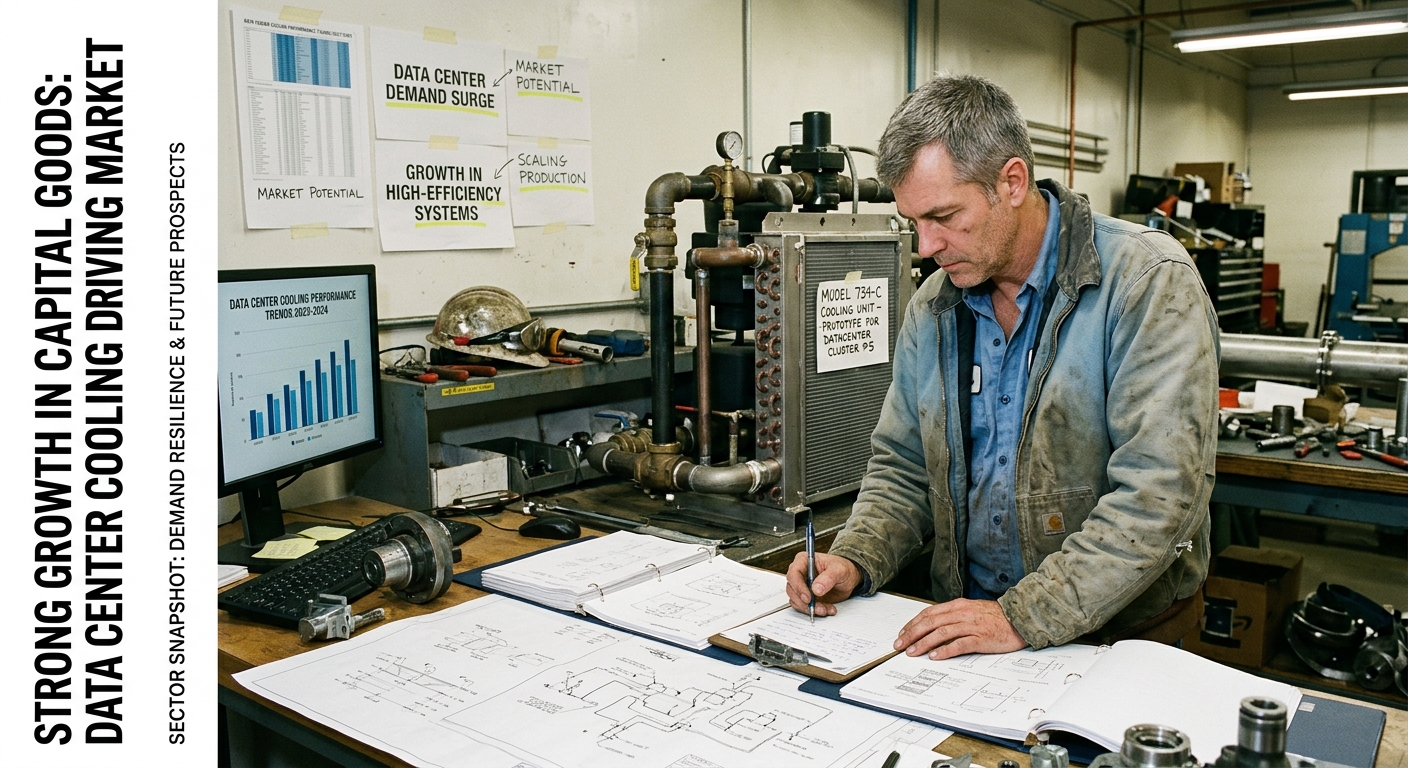
Watts Water Technologies Reports Strong Growth Driven by Data Center Cooling Demand
Watts Water Technologies (Ticker: WTS) has reported impressive first-quarter results for 2026, underscoring its strong position within the water technology industry. The company's sales reached $677.3…