
Concerns Grow Over Private Credit Market's Stability Amid Blue Owl Capital's Major Changes
- Hercules Capital faces market concerns as tighter access to debt vehicles raises alarm over private credit stability.
- The shift in risk exposure towards retail investors intensifies the fragility of private credit market dynamics.
- Experts call for improved transparency and sustainable practices to navigate the evolving challenges in private credit.
Main Topic: The Fragility of Private Credit Markets
Recent developments within the private credit market raise alarm bells for investors and stakeholders, particularly following Blue Owl Capital's move to tighten access to its retail-focused debt vehicles. The firm recently announced a significant $1.4 billion sale of loan assets across its private debt funds, paired with a shift from voluntary quarterly redemptions to mandated capital distributions. This radical change has instigated market jitters, with concerns mounting that a retreat from liquid asset options could indicate a resurgence of stress within the burgeoning $3 trillion private credit industry. Notably, Blue Owl's stock saw significant declines amidst this uncertainty, reinforcing existing worries about the robustness of private credit strategies, particularly as retail investors increasingly take on a greater share of risk.
The implications of Blue Owl's move extend beyond the firm, spotlighting systemic vulnerabilities across the private credit landscape. Some experts, such as Dan Rasmussen, characterize this situation as indicative of larger issues, pointing to the evolving risk profiles of lenders in a low-interest environment. They argue that the pursuit of attractive yields amidst a prevailing climate of cheap debt has led to a proliferation of riskier lending practices. For many retail investors, who may be less-equipped to navigate these complexities, the enticing yields offered by private credit investments could mask underlying threats, potentially impacting long-term financial viability.
Market observers underscore the contrasting dynamics of good times versus downturns in this context. While adequate cash flows may support standard redemption processes during stable conditions, an economic slowdown could trigger a surge in redemption demands, leading to forced asset sales. This precarious balancing act brings to light the critical importance of liquidity in private debt strategies, highlighting an urgent need for lenders to avoid misaligned asset-liability conditions. Additionally, factors such as institutional ownership decline among publicly traded business development companies underscore the shift in risk exposure towards retail investors, further amplifying the potential for widespread market disruption.
Other Relevant Content
Accentuating the rising concern, economists and market analysts, including figures like Mohamed El-Erian and Treasury Secretary Scott Bessent, articulate trepidation over potential spillover effects stemming from Blue Owl's restructuring. They further emphasize the importance of vigilance in monitoring risk profiles within the private credit space, especially as firms navigate complex investor demands and asset characteristics. This heightened scrutiny comes alongside a backdrop of significant sell-offs in the technology and software sectors, reflecting broader market anxieties that can rapidly eclipse individual firm stability.
As the private credit landscape evolves, there remains an imperative for transparency and sustainable practices, ensuring that asset quality does not become overshadowed by the search for yield. The recent incidents involving Blue Owl Capital serve as a critical reminder of the delicate interplay between liquidity needs and asset management strategies in an increasingly complex economic environment, pushing both regulators and firms to reconsider their frameworks for risk assessment and investor engagement.
Related Cashu News

Blackstone Mortgage Trust Launches $450 Million Senior Secured Notes for Financial Stability
Blackstone Mortgage Trust (Ticker: UNDEFINED) has initiated a private offering of US$450 million in senior secured notes due in 2031, marking a strategic move to strengthen its capital structure. This…
![AllianceBernstein Partners with Brookfield and Carlyle to Launch ABC [ONE] Retirement Solution.](https://firebasestorage.googleapis.com/v0/b/cashuapplication.appspot.com/o/cashuNewsData%2Fe612a612bbd7a184b952afc6b0cafecacfe232d3%2Fnews_e612a612bbd7a184b952afc6b0cafecacfe232d3.png?alt=media&token=019545694f4417154e316de7809f1ae8)
AllianceBernstein Partners with Brookfield and Carlyle to Launch ABC [ONE] Retirement Solution.
AllianceBernstein Holding L.P. (Ticker: UNDEFINED) collaborates with Brookfield Asset Management and Carlyle to launch an innovative retirement solution, ABC [ONE], aimed at enhancing asset class dive…
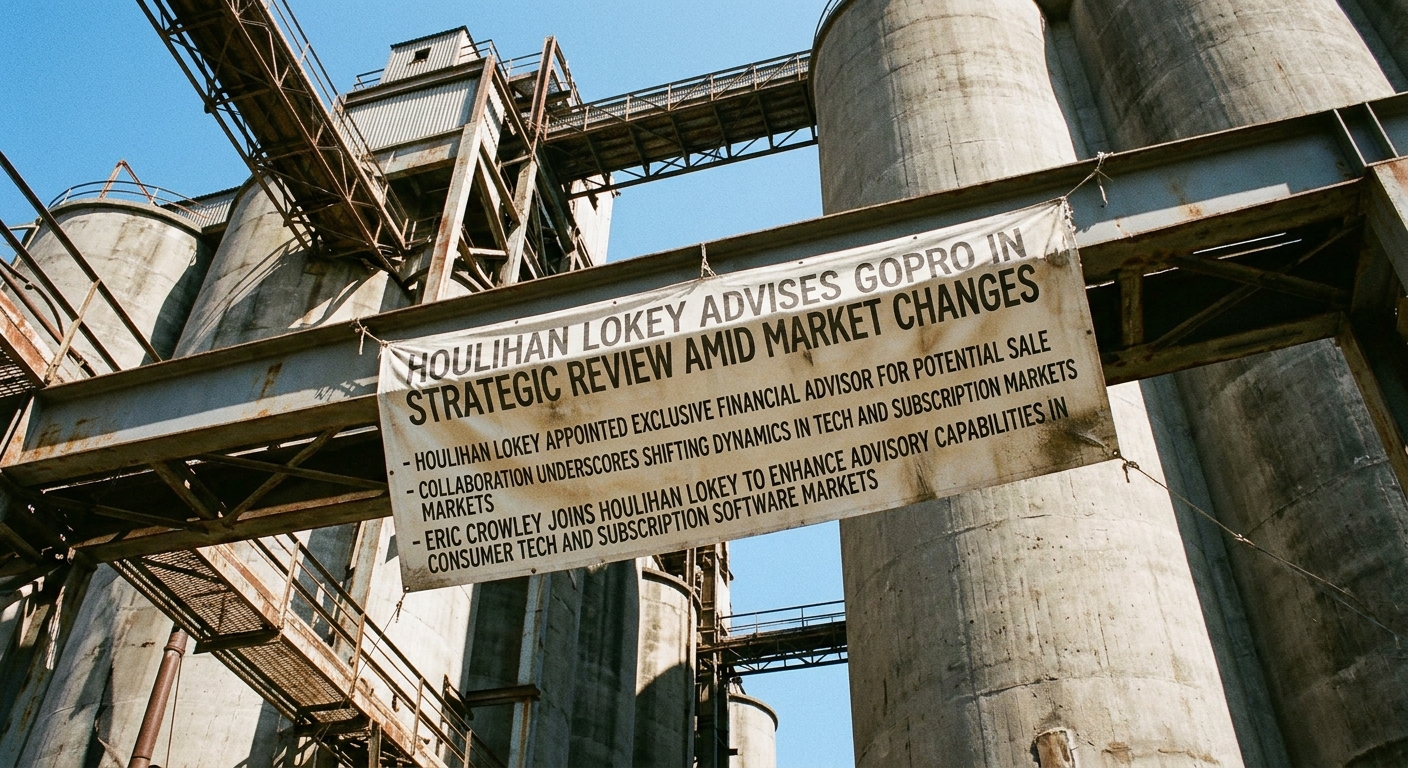
Houlihan Lokey Advises GoPro in Strategic Review Amid Market Changes
Houlihan Lokey (Ticker: HLI) has recently been appointed as the exclusive financial advisor to GoPro, a well-known consumer electronics company. This appointment marks a pivotal moment as GoPro embark…

Federated Hermes Announces Steve Chiavarone as New Chief Investment Officer for Global Equities
Federated Hermes, Inc. (Ticker: UNDEFINED) undergoes a pivotal leadership transition with the appointment of Steve Chiavarone, CFA, as its new Chief Investment Officer for Global Equities, effective S…