
Counterfeit Aircraft Parts Scandal Highlights Urgent Need for Safety Reforms in Aviation Industry
- Boeing faces pressure to enhance operational safety standards after counterfeit parts were linked to air travel risks.
- The incident may prompt Boeing to strengthen oversight and ensure compliance in its supply chain practices.
- Increased regulatory measures could improve accountability for Boeing and benefit the wider aviation industry.
Broader Implications of Counterfeit Aircraft Parts for Aviation Safety
In a significant legal ruling, Jose Alejandro Zamora Yrala, the former director of AOG Technics, is sentenced to four years and eight months in prison for his role in a fraudulent scheme involving over 60,000 counterfeit aircraft engine parts. This criminal activity spanned from 2019 to 2023 and primarily focused on falsifying documentation concerning the origin and condition of these parts, many of which were linked to CFM56 engines frequently utilized in both Boeing and Airbus commercial aircraft. Such fraud has raised profound safety concerns within the aviation industry, resulting in heightened scrutiny over supply chains and prompting calls for stricter regulatory oversight.
The implications of Zamora Yrala's actions extend beyond legal repercussions, as the presence of counterfeit parts has already led to the temporary grounding of several planes, amplifying concerns over air travel safety. Judge Simon Picken's condemnation of Zamora Yrala’s offenses underscores the critical need for robust regulatory frameworks, emphasizing that such acts not only endanger passenger safety but also undermine the trustworthiness of the aviation industry as a whole. The fallout from this case is likely to catalyze a reevaluation of regulatory practices, creating an imperative for both manufacturers and supply chain stakeholders to reinforce their commitment to safety standards.
With the aviation industry still navigating the recovery from the pandemic, this incident emphasizes an urgent need for vigilance in quality assurance protocols and supply chain integrity. Authorities are advocating for reforms that prioritize the authenticity of aircraft components to restore confidence among airlines and passengers alike. The ramifications of exposure to counterfeit parts can ripple through the industry, affecting not only compliance costs but also the very essence of operational safety that defines commercial aviation.
Developments in Boeing's Operational Safety Standards
In response to growing concerns over safety linked to counterfeit parts, Boeing is likely to face increased pressure to reinforce its operational standards. The company may need to bolster its oversight practices, ensuring that all components sourced through its supply chains meet stringent safety criteria to avoid similar incidents in the future. Strengthened regulatory measures could foster greater accountability among suppliers and manufacturers, ultimately benefiting both Boeing and the broader aviation community.
As the aviation industry cultivates recovery, the incident involving Zamora Yrala serves as a crucial reminder of the necessity for unwavering compliance and governance in aircraft part production. The lessons learned may lead to systemic changes that enhance the protective measures within supply chains, thereby safeguarding passenger safety and maintaining industry reputability against the backdrop of evolving challenges.
Related Cashu News

Icahn Enterprises L.P. Announces Key Leadership Changes for Corporate Stability and Strategy Continuity
Icahn Enterprises L.P. has made significant leadership changes aimed at stabilizing the company's corporate structure during a period of strategic evolution. Ted Papapostolou, a seasoned finance execu…

Thermon Group Holdings' Fiscal Year 2026: Resilience Amidst Revenue Growth and Margin Pressure
Thermon Group Holdings (Ticker: THR) navigates a challenging fiscal landscape as it releases its fiscal year 2026 results, showcasing both significant revenue achievements and persistent pressure on p…
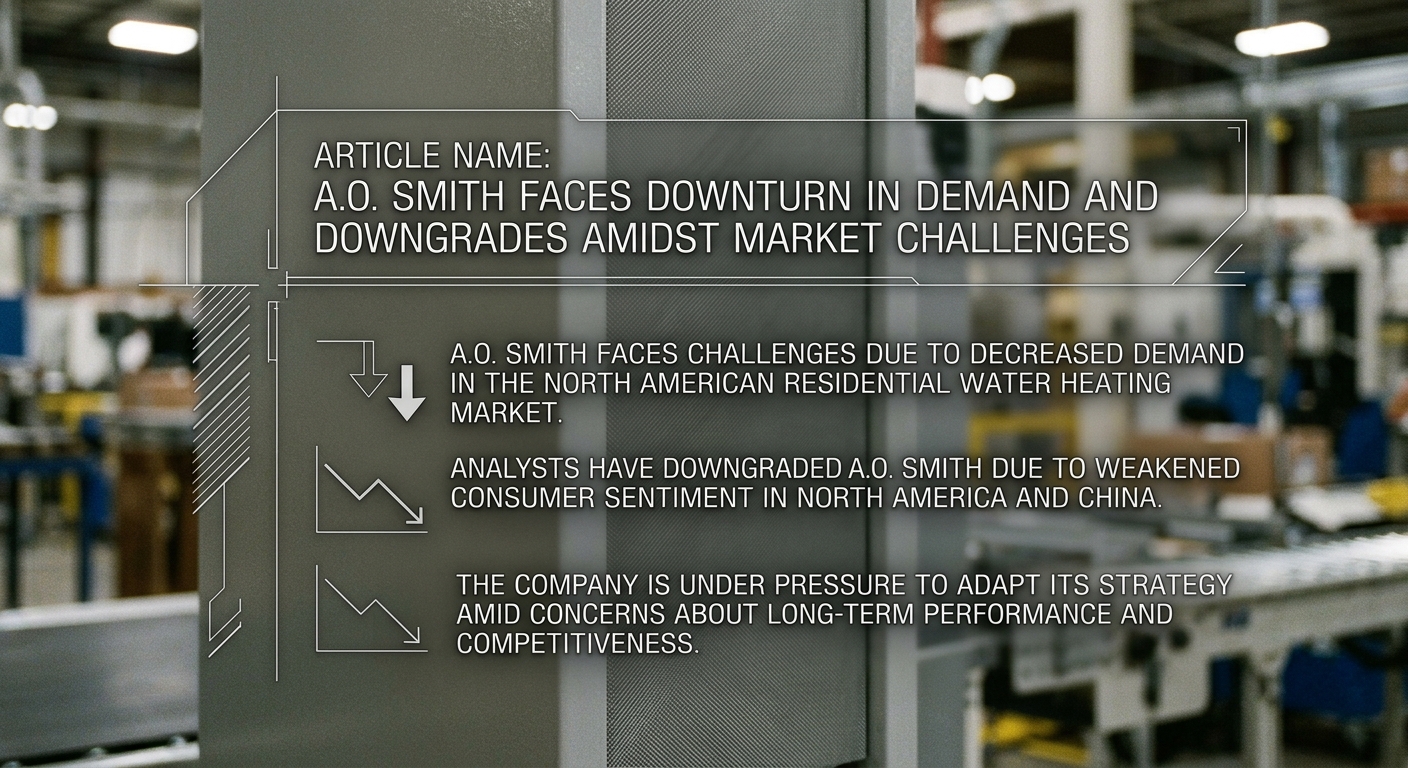
A.O. Smith Faces Downturn in Demand and Downgrades Amidst Market Challenges
A. O. Smith faces significant challenges in the water heating industry as it navigates a downturn in demand, particularly within the North American residential market. Analysts from JPMorgan and DA Da…
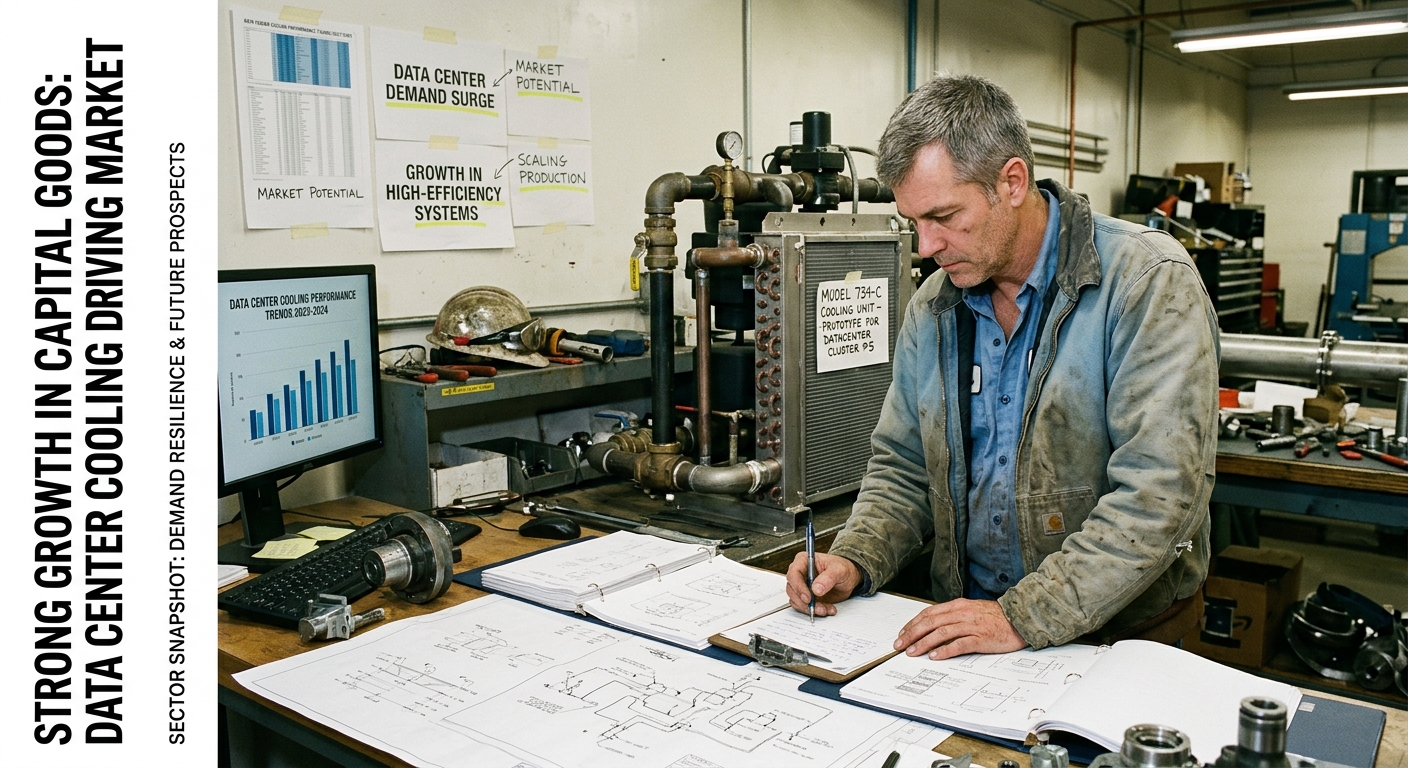
Watts Water Technologies Reports Strong Growth Driven by Data Center Cooling Demand
Watts Water Technologies (Ticker: WTS) has reported impressive first-quarter results for 2026, underscoring its strong position within the water technology industry. The company's sales reached $677.3…