
Data Center Expansion in Texas Drives Up Energy Prices, Raising Community Concerns
- The rise of data centers in Texas, driven by AI, raises local concerns about soaring electricity costs and grid strain.
- Communities urge policymakers to reassess energy pricing to ensure alignment with current market conditions amid rising rates.
- AES must address challenges in grid reliability and pricing pressures while exploring renewable energy solutions to alleviate burdens.
The Ripple Effect of Data Center Construction on Energy Prices
The rapid expansion of data center construction driven by artificial intelligence (AI) has ignited significant local concern in Texas regarding rising electricity costs. Communities voice their apprehensions about the pressures these energy-intensive facilities place on local power grids and the broader implications for electricity pricing. As major tech companies like Amazon accelerate their data center projects, they add to the growing strain on the electrical infrastructure. Residents, once enthusiastic about technological investment, find themselves increasingly critical of how these developments impact their energy bills and the stability of the power supply.
A recent report from SemiAnalysis sheds light on the relationship between data center operations and surging electricity prices. The report indicates that while data centers do contribute to the rising costs of energy, fundamental market design and policy decisions play a crucial role in determining electricity pricing structures. Since 2020, U.S. residential electricity rates have climbed significantly—from approximately 12.76 cents to 17.44 cents per kilowatt-hour by February 2026. The U.S. Energy Information Administration’s (EIA) projections even suggest a continuous upward trajectory, with rates potentially reaching 19.01 cents by September 2027. This increasing burden on consumers raises pressing questions about the long-term sustainability of infrastructure investments in energy generation and distribution.
Critically, the EIA notes that retail electricity prices have surpassed inflation rates since 2022, underscoring a detrimental trend for residents. The problem is particularly evident in markets like the PJM Interconnection area, where data centers frequently exceed energy demand projections. The Base Residual Auction pricing mechanism, which establishes energy prices two years in advance, often leads to significant discrepancies between anticipated and actual consumption, worsening local power reliability. This miscalibration not only sustains higher electricity costs for consumers but also challenges the credibility of energy forecasts, leading to further community distrust towards both power providers and tech companies eager to capitalize on the AI-driven data boom.
In light of these developments, communities urge policymakers to reevaluate energy pricing structures, ensuring they align with current market realities. As local frustrations grow, the need for a more transparent and predictable energy policy becomes increasingly urgent. There are calls for renewed discussions surrounding regulatory frameworks that incentivize responsible energy use and promote innovations in energy efficiency, essential for supporting both technological growth and community well-being.
The ongoing conflict between technological advancement and energy affordability highlights a critical nexus for companies like AES. As energy providers, they must navigate these challenges while also contributing to solutions that bolster grid reliability and manage pricing pressures. Furthermore, AES stands to benefit from advancements in renewable energy technologies, which may offer pathways to alleviate some of the burdens placed on the existing power system by the rapid growth of data centers.
Related Cashu News
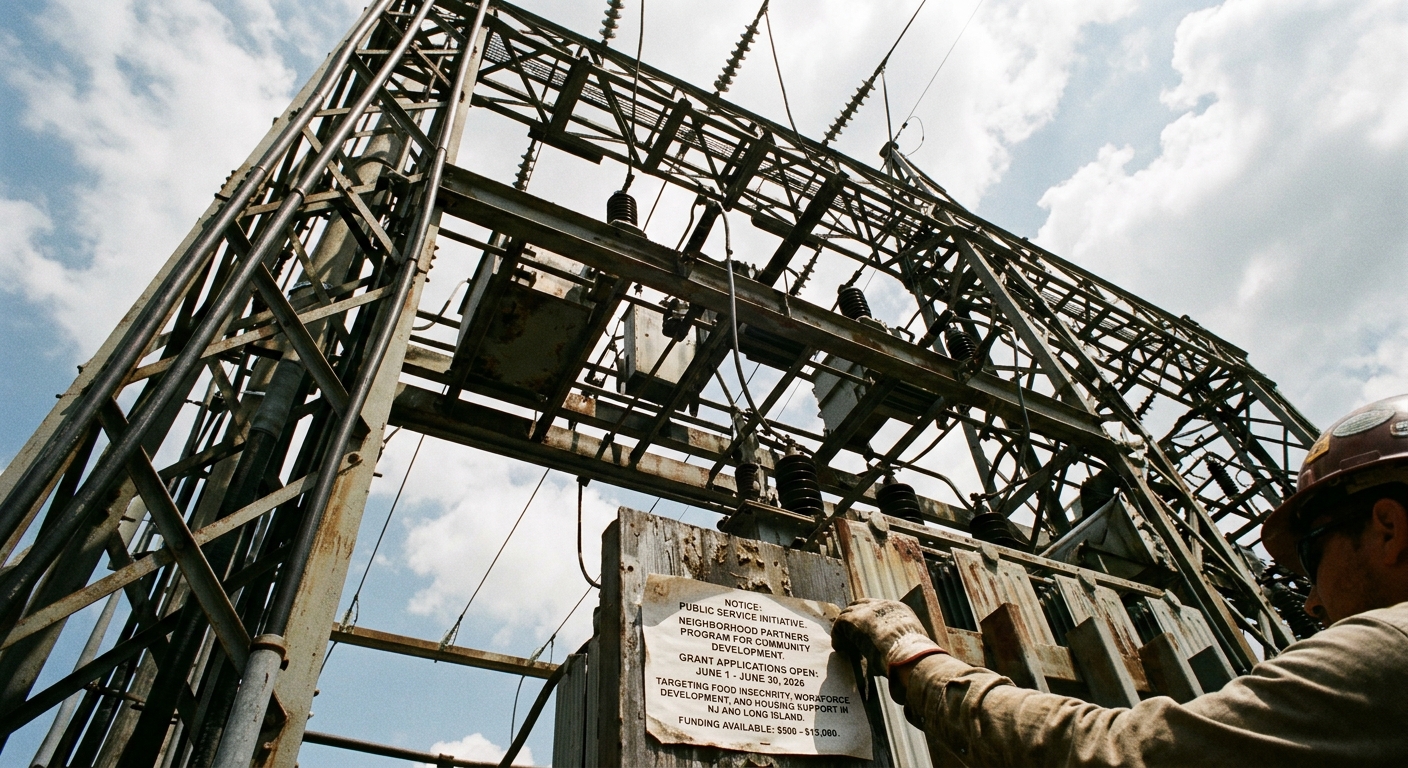
PSEG Launches $1.2 Million Neighborhood Partners Program for Community Development in 2026
Public Service Enterprise Group (PEG) pursues its commitment to community development through the 2026 Neighborhood Partners Program, which aims to support nonprofit organizations in New Jersey and Lo…

California Water Service Group Recognized in TIME's Most Impactful Companies for Sustainability Efforts
California Water Service Group (Ticker: CWT) has recently made a noteworthy stride in the utility industry by earning a spot on TIME magazine's inaugural list of the 'World’s Most Impactful Companies.…

Avista Launches Community Microgrid, Boosting Investor Interest and Energy Resilience in Spokane
Avista (Ticker: AVA) captures significant attention with the recent launch of a community-based microgrid at the Dr. Martin Luther King Jr. Family Outreach Center in Spokane. This innovative initiativ…

American Water Works Co's Commitment to Award-Winning Water Quality and Infrastructure Improvements
American Water Works Co (Ticker: UNDEFINED) focuses on enhancing water quality and infrastructure improvements across its subsidiaries, particularly Pennsylvania American Water, which recently achieve…