
Devon Energy Thrives Amid Geopolitical Tensions and Rising Oil Prices
- Devon Energy's stock rose 14% last week, reflecting resilience amid geopolitical tensions and rising oil prices.
- The company's high relative strength index (RSI) indicates strong price performance, but signals caution about potential overbought conditions.
- Investors remain interested in Devon Energy as an essential player in stabilizing market fluctuations amidst economic uncertainties.
Devon Energy's Performance Amid Geopolitical Turbulence
As global tensions escalate, particularly in the U.S.-Iran conflict, energy companies like Devon Energy experience significant market shifts influenced by rising oil prices. In recent observations, energy stocks find themselves categorized as overbought, largely reflecting the sector's ascent in response to the ongoing geopolitical climate. Devon Energy, among other energy firms, showcases this trend, exhibiting high relative strength index (RSI) levels that indicate strong price performance amidst fluctuating market conditions. The company’s stock gains approximately 14% for the week, underscoring its resilience in a challenging environment.
The current dynamics highlight the crucial relationship between geopolitical events and energy market performance. Rising oil prices—triggered by conflict and supply concerns—create an advantageous backdrop for producers like Devon Energy. The surge in prices not only elevates stock valuations but also reaffirms the essential role of energy suppliers in stabilizing market fluctuations. Investors' interests remain piqued as energy stocks, including Devon, become focal points for capital amid uncertainties in other sectors, which face downward pressure due to various economic concerns.
However, the trends signal a potential but cautious sentiment among investors regarding overbought conditions. With Devon and its peers witnessing high RSI levels, there is growing discourse about the sustainability of these price increases. While the company capitalizes on the immediate benefits from rising oil prices, stakeholders are urged to remain vigilant as geopolitical conditions evolve. The balance between seizing current market opportunities and preparing for possible corrections is crucial in navigating the ongoing turmoil.
Challenges Faced by the Broader Market
The broader market feels the impact of the U.S.-Iran conflict, resulting in a consistent decline for the S&P 500 over four consecutive weeks. As energy stocks thrive, other sectors, such as consumer staples, experience significant sell-offs, with several companies falling into oversold territory.
Analysts caution investors about the risks tied to these developments, emphasizing the importance of vigilance and strategic assessment in maintaining their portfolios amidst shifting market landscapes. Rising tensions may pose broader implications for global supply chains and market stability, further influencing the operational dynamics within the energy sector.
Related Cashu News
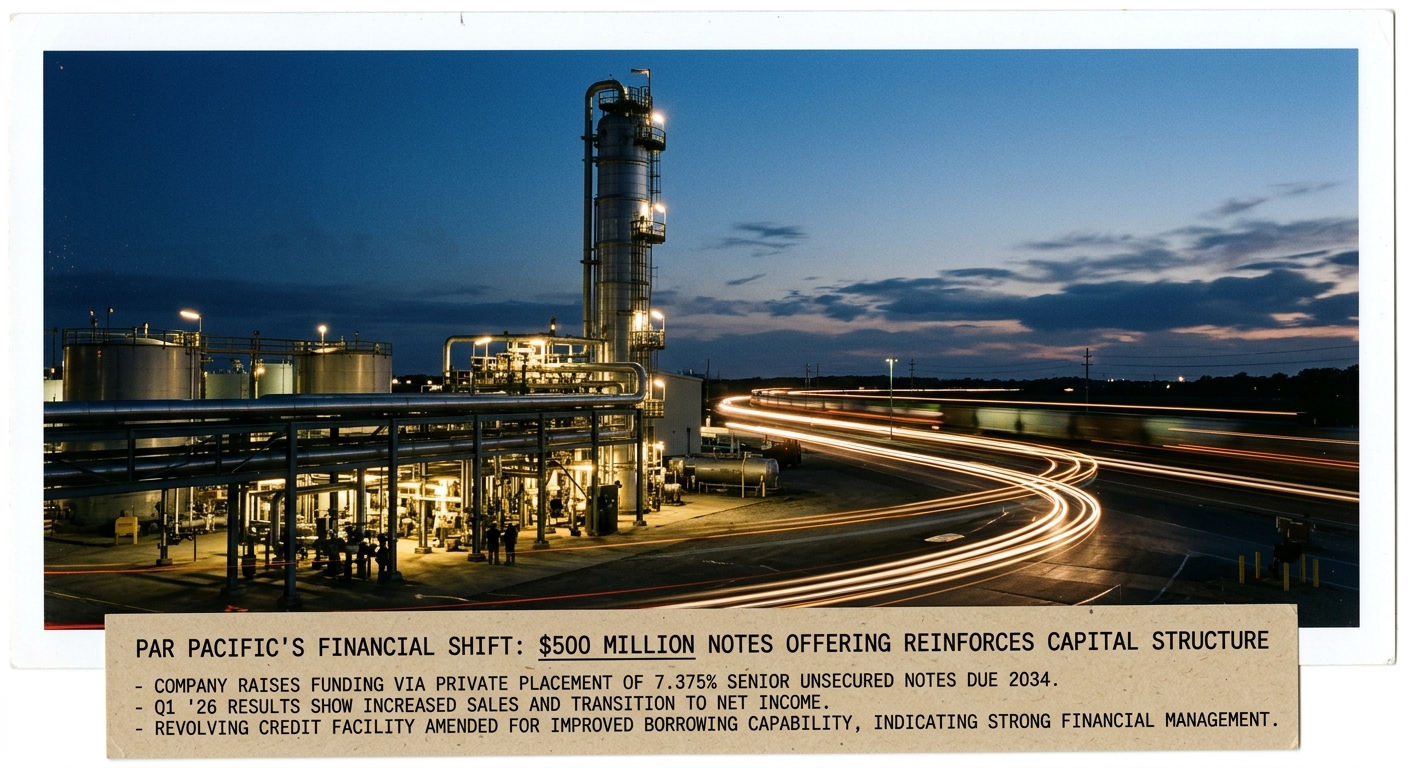
Par Pacific Strengthens Capital Structure with $500 Million Notes Offering and Improved Financial Performance
Par Pacific Holdings, Inc. has recently strengthened its capital structure by completing a $500 million private placement of 7.375% senior unsecured notes, which are set to mature on June 1, 2034. Thi…
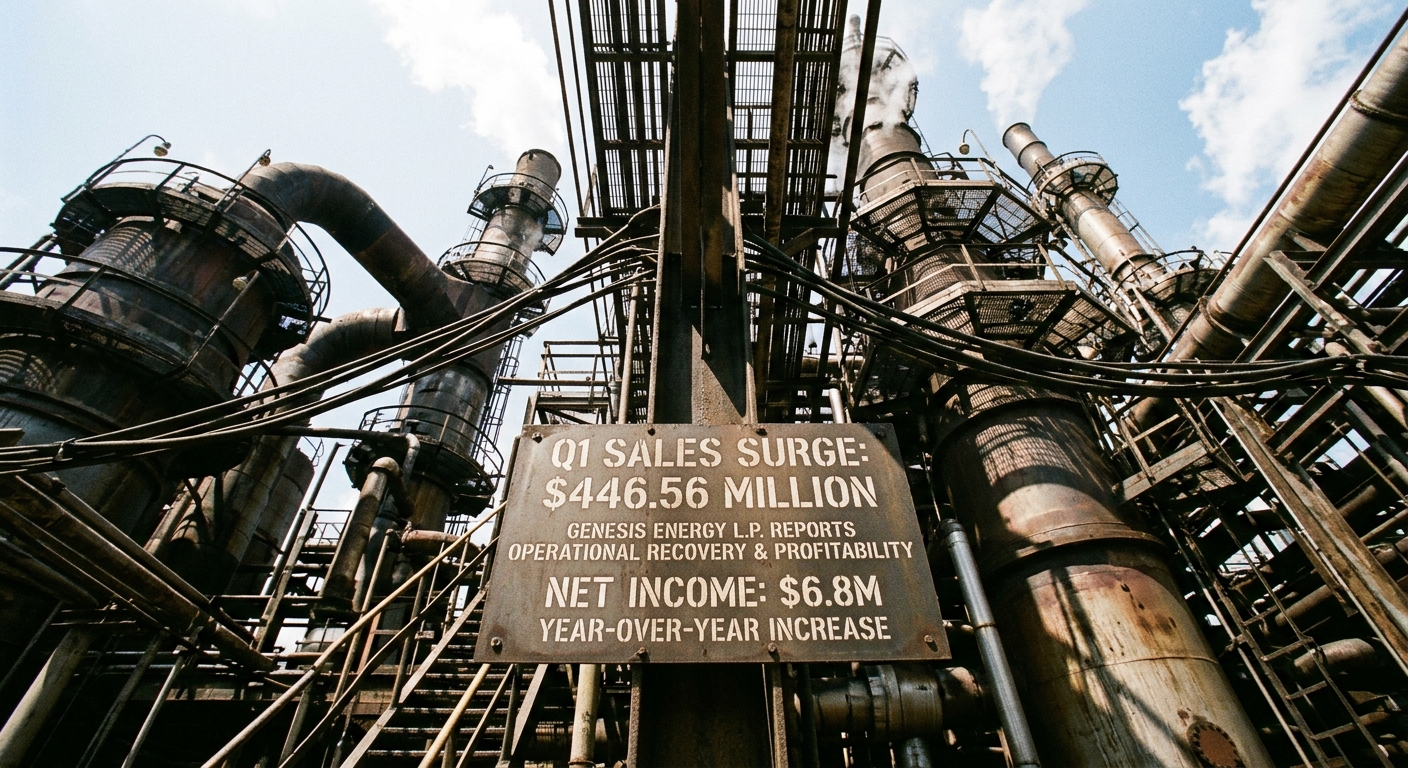
Genesis Energy L.P. Reports Q1 Profitability Surge with $446.56 Million in Sales
Genesis Energy L.P. (Ticker: UNDEFINED) announces its first-quarter financial results, signaling a resurgence in profitability and operational performance. The company reports total sales of $446.56 m…

Nordic American Tankers Finalizes New Leasing Contracts to Strengthen Cash Position and Dividends.
Nordic American Tankers (Ticker: NAT) has recently marked a significant milestone by finalizing multiple new vessel leasing contracts in a favorable tanker market. This strategic move is aimed at rein…

Marine Petroleum Trust Announces Quarterly Distribution Amid Fluctuating Energy Sector Conditions
Marine Petroleum Trust (Ticker: MARPS) announces a quarterly cash distribution of $0.096470 per unit, reflecting a decrease compared to prior distributions. This development highlights the trust's ong…