
Ecolab Braces for U.S. Jobs, CPI Reports That Could Hit Demand and Margins
- Ecolab sees U.S. payrolls and CPI as key tests of demand for its cleaning, water, and hygiene services.
- Energy, transport and chemical costs affect Ecolab’s operating expenses; persistent inflation drives pricing and efficiency measures.
- Ecolab’s service model depends on trained field staff; weaker labour demand could cut service volumes and change sales mix.
Ecolab braces as U.S. jobs and inflation reports return to centre stage
Ecolab is watching next week’s combined U.S. nonfarm payrolls and consumer price index releases as a key test of demand for its cleaning, water and hygiene services across hospitality, foodservice and industrial clients. The delayed data, expected to show a 60,000 gain in payrolls and a 0.29% month‑on‑month rise in CPI, will shape consumer spending and travel patterns that drive hotel and restaurant usage of Ecolab’s products and on‑site services. A stronger than feared print could stabilise volumes at customer sites, while stickier inflation risks sustaining cost pressures and price pass‑through.
The company is also closely attuned to input‑cost dynamics embedded in the inflation report. Energy, transport and chemical costs account for a meaningful portion of Ecolab’s operating expenses and pricing negotiations; a moderation in CPI supports margin recovery by reducing the need for further customer price increases and enabling tighter control on procurement and logistics. Conversely, persistent inflation would compel the business to maintain pricing initiatives and accelerate efficiency measures, including tighter route optimisation and product formulation adjustments to protect profitability without eroding service levels.
Labour market developments are equally material for Ecolab’s service model, which relies on technically trained field personnel. Signs of softer hiring and higher layoffs ease wage inflation and recruiting pressures, potentially lowering operating costs. But a downturn that translates into weaker spending for hospitality and manufacturers could curb demand for preventive sanitation contracts and large‑scale water treatment projects, altering Ecolab’s sales mix between recurring service revenue and one‑time capital work.
Policy backdrop and market reaction
The data arrive amid renewed focus on Federal Reserve policy, two weeks after a hawkish FOMC meeting and following the nomination of Kevin Warsh to lead the Fed. Market pricing that anticipates rate cuts in 2026 will be reassessed depending on the reports, with implications for business investment in Ecolab’s industrial and municipal water projects.
Labour‑market warning signs amplify uncertainty. ADP’s private payrolls count and Challenger, Gray & Christmas’s high January layoff figures, along with Fed Governor Christopher Waller’s suggestion of possible downward revisions to last year’s employment, all point to a scenario where softer demand and easing wage pressures could reshape Ecolab’s near‑term outlook for volumes and cost management.
Related Cashu News
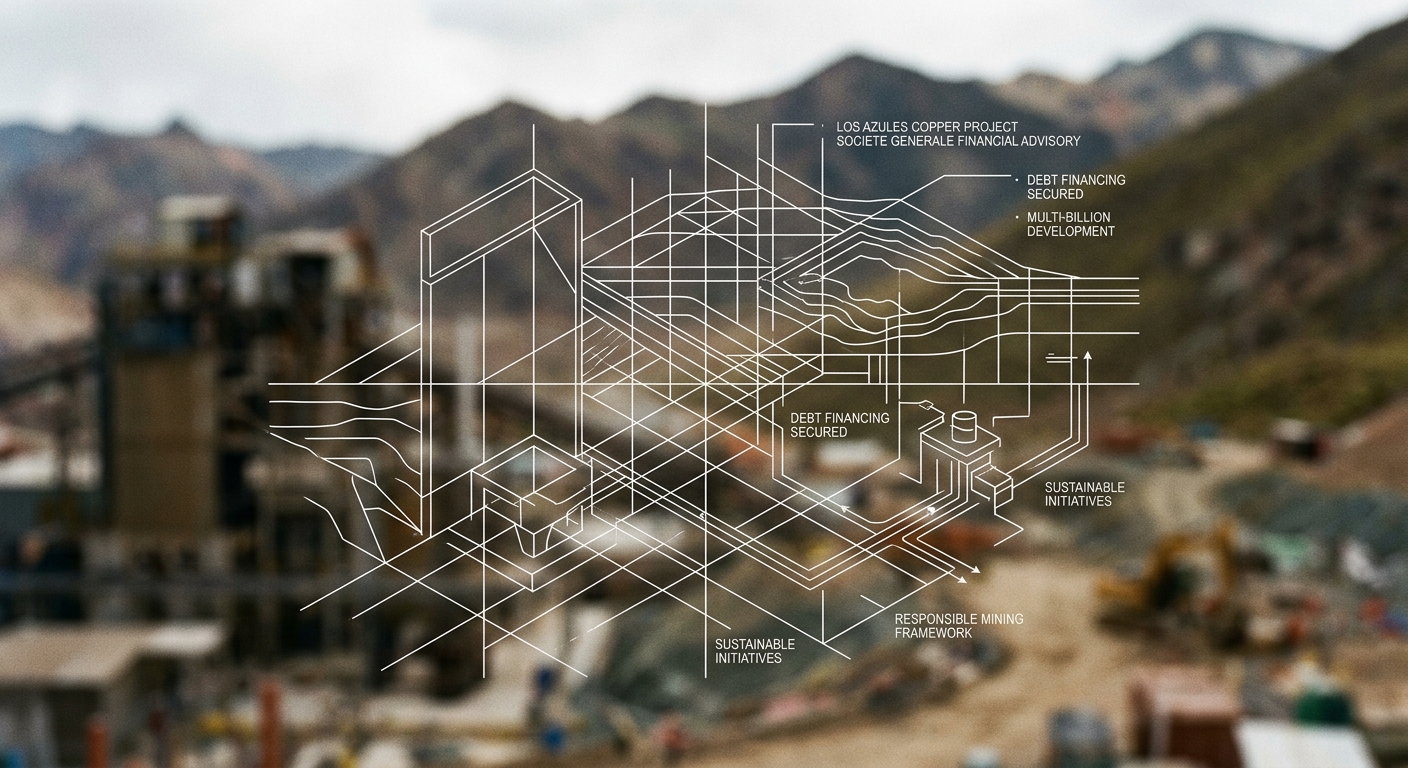
McEwen Mining Advances Los Azules Copper Project with Societe Generale's Financial Support
McEwen Mining has made a significant advancement in its copper mining ambitions by securing Societe Generale as the sole financial advisor for the Los Azules copper project in Argentina. With this str…
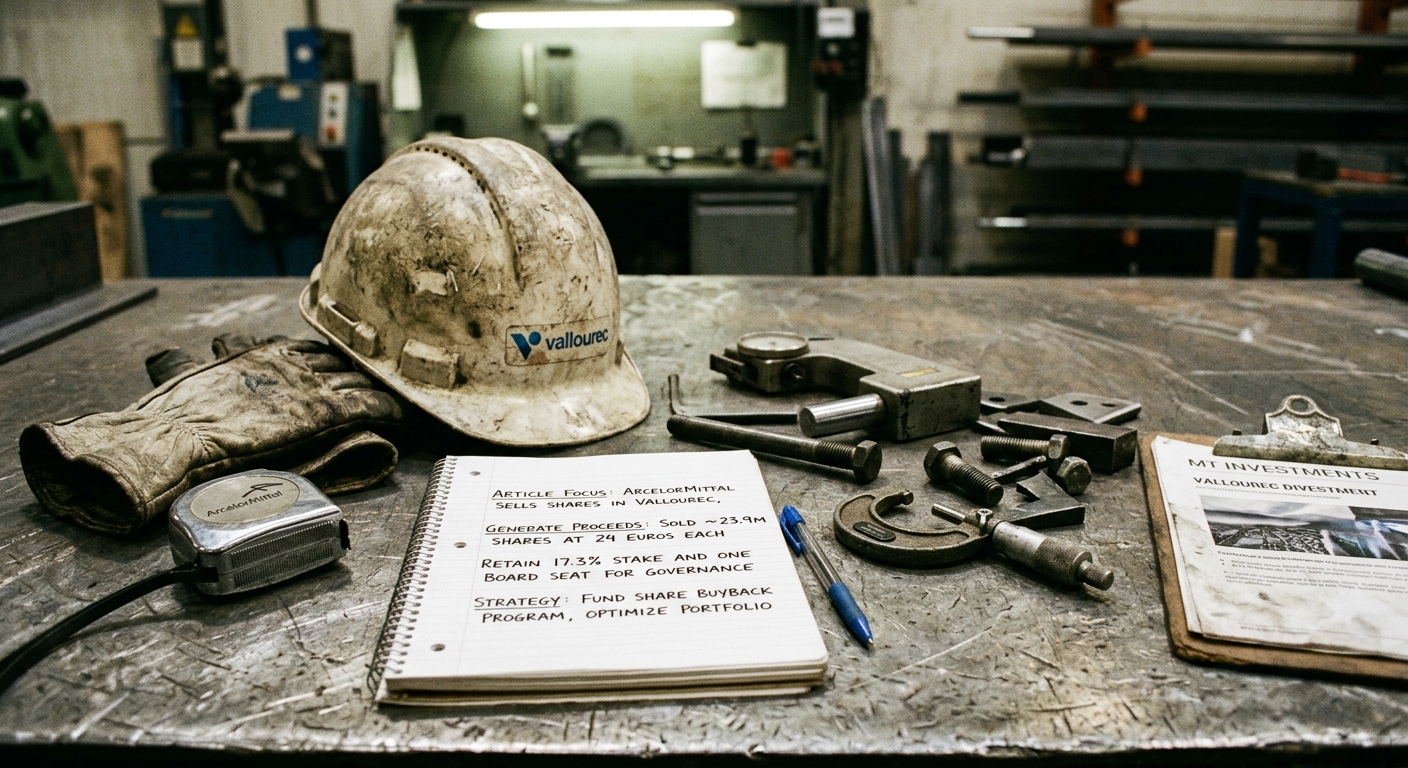
ArcelorMittal Sells Shares in Vallourec to Fund Share Buyback While Retaining Board Influence
In a strategic move, ArcelorMittal (Ticker: UNDEFINED), a leading global steel and mining company, has successfully sold approximately 23.9 million shares of Vallourec at a price of 24 euros per share…

Agnico Eagle Mines Announces Positive Investment Decision for Hope Bay Project in Nunavut
Agnico Eagle Mines Limited (Ticker: UNDEFINED) announces a positive investment decision for its Hope Bay project, reflecting its commitment to economic development in Northern Canada. The company's re…

Southern Copper Faces Regulatory Challenges After Tía María Permit Revocation in Peru
Southern Copper Corporation (Ticker: SCCO) faces significant regulatory challenges following the recent revocation of its construction permit for the Tía María project in Peru. This decision marks a c…