
Eli Lilly buys Orna for $2.4B to advance in‑vivo circular‑RNA CAR‑T; GLP‑1 scrutiny rises
- Lilly will acquire Orna Therapeutics for up to $2.4B to expand genetic medicine and immunology capabilities.
- Orna’s circular RNA + LNPs aim to enable in vivo CAR‑T (ORN‑252), avoiding ex vivo manufacturing and enabling clinic infusions.
- Lilly joins innovators warning about compounded GLP‑1 risks and expects Medicare obesity treatment coverage by July.
Lilly doubles down on in vivo cell engineering with Orna buy
Eli Lilly is moving to expand its genetic medicine and immunology capabilities by agreeing to acquire Orna Therapeutics for up to $2.4 billion in cash, the company announces. Orna brings a circular RNA platform paired with novel lipid nanoparticles (LNPs) that the two firms say can produce more durable expression of therapeutic proteins, enabling in vivo engineering of immune cells without the need for ex vivo manufacturing. Lilly frames the deal as a way to overcome the complexity, cost and limited access associated with current autologous CAR‑T approaches.
The acquisition centers on Orna’s lead program, ORN‑252, a CD19‑targeting in vivo CAR‑T candidate designed to treat B cell‑driven autoimmune diseases and poised to enter clinical trials. Lilly executives stress that an in vivo approach could "reset the immune system" across a broader patient population by delivering CAR‑T functionality through a scalable, clinic‑based infusion rather than complex cell manufacturing. Orna’s CEO expresses optimism that pairing circular RNA with best‑in‑class LNPs can unlock treatments not feasible with current RNA or ex vivo cell therapy platforms.
Lilly positions the purchase as strategic to build a long‑term platform in genetic medicine and to accelerate patient access to next‑generation immunotherapies. The company highlights potential to address autoimmune indications where durable, targeted immune modulation is needed, and to leverage its development and commercial infrastructure to advance Orna’s pipeline toward clinical testing and broader uptake.
Regulatory scramble over GLP‑1 knockoffs pressures industry
Regulators and brand drugmakers intensify scrutiny of compounded GLP‑1 alternatives after Novo Nordisk sues telehealth provider Hims & Hers for allegedly marketing compounded copies of Wegovy, and the FDA signals enforcement actions. The agencies and innovator companies, including Lilly, argue that unverified compounded semaglutide products pose safety risks and undercut regulatory standards while semaglutide patents protect branded products into 2032.
Policy shifts add another layer: the TrumpRx federal drug platform lists medicines from manufacturers including Lilly, and Medicare coverage for obesity treatments is slated to expand this year — Lilly says it expects coverage by July — potentially reshaping access and payer dynamics for GLP‑1 and other obesity therapies.
Related Cashu News
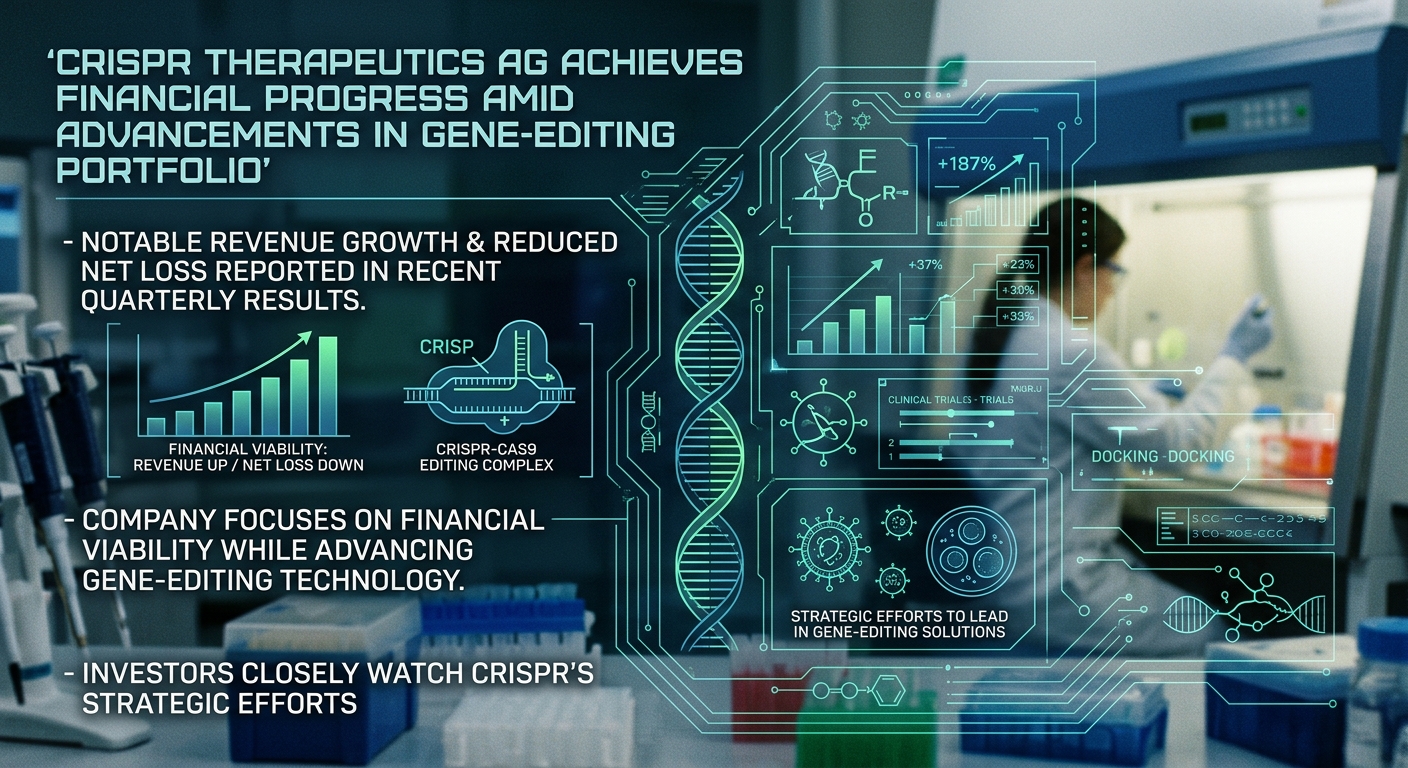
CRISPR Therapeutics AG Achieves Financial Progress Amid Advancements in Gene-Editing Portfolio
CRISPR Therapeutics AG (Ticker: UNDEFINED) showcases a pivotal moment in its financial journey with the release of its results for the first quarter of 2026. Highlighting a revenue of $1.46 million, t…

MetaVia to Present Innovative Cardiometabolic Research at 2026 ADA Scientific Sessions
MetaVia is set to showcase its innovative research in cardiometabolic diseases at the upcoming American Diabetes Association (ADA) Scientific Sessions in 2026, following the acceptance of three late-b…

Ionis Pharmaceuticals Advances TRYNGOLZA for Hypertriglyceridemia and Diranersen for Alzheimer's Disease
Ionis Pharmaceuticals has made headlines in the biotechnology sector with the promising potential of its drug TRYNGOLZA, which is designed to treat severe hypertriglyceridemia. During a recent healthc…

ImmunityBio Partners with BCG Laboratory to Enhance Bladder Cancer Treatment Supply and Options
ImmunityBio has secured a critical partnership with Japan's BCG Laboratory to enhance the supply of Bacillus Calmette-Guérin (BCG) in the United States, addressing an urgent need in the treatment of b…