
Eli Lilly's Influence on Consumer Preferences and the Restaurant Industry Amid GLP-1 Rise
- Eli Lilly's GLP-1 medications are driving changes in consumer dining habits, decreasing restaurant spending by 8%.
- The shift towards healthier eating influenced by Eli Lilly impacts demand for high-calorie menu items at restaurants.
- Eli Lilly's products play a crucial role in transforming consumer preferences, presenting challenges and opportunities for the restaurant industry.
Eli Lilly's Impact: Navigating Changing Consumer Preferences Amid Rising GLP-1 Usage
Eli Lilly & Company stands at the forefront of a significant transformation in the food and beverage landscape ushered in by the growing prevalence of GLP-1 medications, which are centered around weight loss management. These medications are leading to notable shifts in consumer spending habits, particularly affecting the restaurant industry. Reports indicate that households with at least one GLP-1 user exhibit an 8% decrease in spending on meals outside the home. This decline signals potential upheaval for quick-service and casual dining restaurants, as more consumers, primarily from lower-income demographics, gain access to these therapies and prioritize healthier eating patterns.
As fast-food chains grapple with this evolving consumer behavior, the implications for companies like Eli Lilly are profound. This growing tendency toward weight management is influencing not only personal health choices but also reshaping dining habits, thereby impacting demand for high-calorie offerings from major brands. Bank of America's analysis highlights that quick-service restaurants—relying heavily on impulse purchases—face increasing pressure as customers opt for healthier meal alternatives. This trend presents both challenges and opportunities for restaurants in adapting their menus and marketing strategies.
In response to these challenges, certain chains are proactively adjusting their offerings to align with emerging dietary preferences. For instance, companies like McDonald's and Wendy's are diversifying their beverage selections to include energy drinks, a move aimed at rekindling consumer interest in their menus as calorie consumption is expected to decline in the coming years. This strategic pivot not only acknowledges the shifting attitudes toward health and wellness but also attempts to create relevance in a rapidly evolving marketplace that Eli Lilly's products are influencing.
Meanwhile, amidst these changes, the broader restaurant sector continues to experience turbulence, with notable declines evident in various chains within the space. While brands like Darden Restaurants and McDonald's manage to maintain or even increase their market presence by adapting to the new consumer landscape, others struggle to find stability. Analysts characterize 2026 as a "wall of worry" for investors, suggesting that while the industry is fraught with difficulties, it may also provide new growth opportunities amid the turmoil.
The ongoing disruptions and evolving consumer preferences underline the pivotal role of Eli Lilly's medications in shaping dining habits. As more individuals incorporate GLP-1 medications into their health routines, the ripple effects on the restaurant industry will likely continue to evolve, drawing attention to how companies can innovate and adapt in a dynamic market landscape.
Related Cashu News
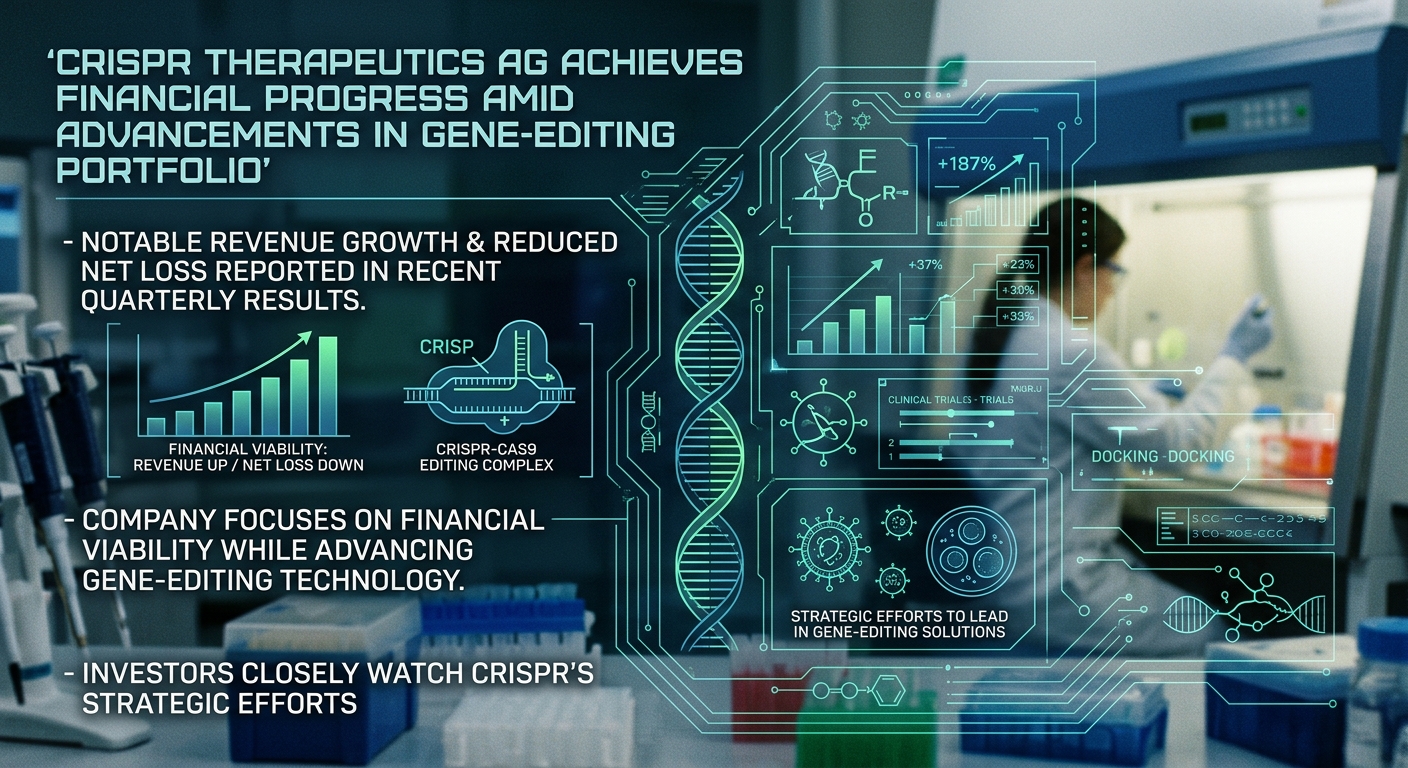
CRISPR Therapeutics AG Achieves Financial Progress Amid Advancements in Gene-Editing Portfolio
CRISPR Therapeutics AG (Ticker: UNDEFINED) showcases a pivotal moment in its financial journey with the release of its results for the first quarter of 2026. Highlighting a revenue of $1.46 million, t…

MetaVia to Present Innovative Cardiometabolic Research at 2026 ADA Scientific Sessions
MetaVia is set to showcase its innovative research in cardiometabolic diseases at the upcoming American Diabetes Association (ADA) Scientific Sessions in 2026, following the acceptance of three late-b…
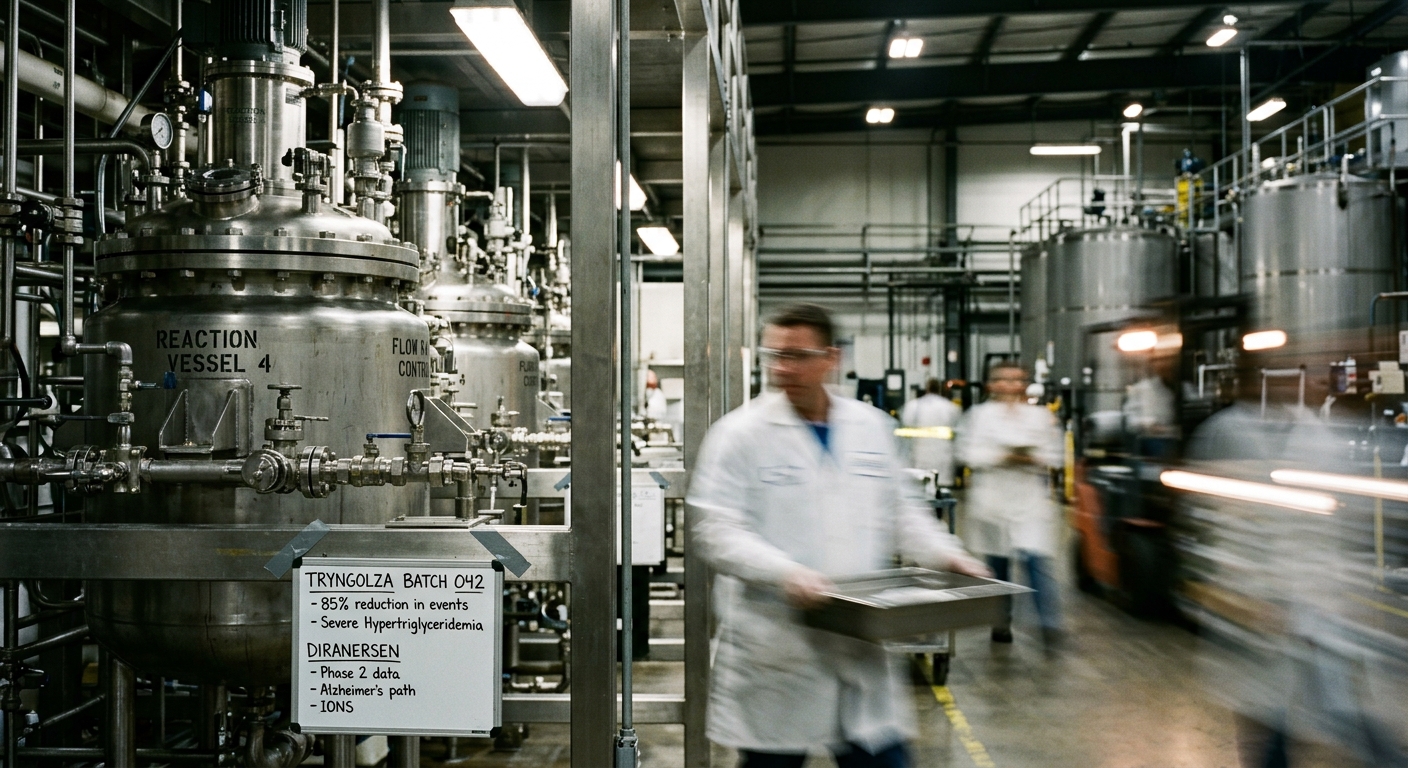
Ionis Pharmaceuticals Advances TRYNGOLZA for Hypertriglyceridemia and Diranersen for Alzheimer's Disease
Ionis Pharmaceuticals has made headlines in the biotechnology sector with the promising potential of its drug TRYNGOLZA, which is designed to treat severe hypertriglyceridemia. During a recent healthc…

ImmunityBio Partners with BCG Laboratory to Enhance Bladder Cancer Treatment Supply and Options
ImmunityBio has secured a critical partnership with Japan's BCG Laboratory to enhance the supply of Bacillus Calmette-Guérin (BCG) in the United States, addressing an urgent need in the treatment of b…