
Energy Market Volatility Amid U.S.-Israeli-Iran Tensions: Halliburton's Strategic Response
- Halliburton must navigate volatile energy markets influenced by the U.S.-Israeli tensions with Iran and oil price fluctuations.
- The company needs to adapt operational plans in response to geopolitical events affecting supply chain stability and energy prices.
- Halliburton's long-term viability relies on aligning service offerings with market demands amid evolving geopolitical developments.
Escalating Tensions Shape the Energy Market Landscape
The ongoing conflict in the Middle East, particularly the U.S.-Israeli tensions with Iran, significantly affects the global energy market, creating an environment of volatility that companies like Halliburton must navigate. Recent events have instigated substantial fluctuations in oil prices, surging by 20% on Monday amid fears of potential supply disruptions. This dramatic increase reflects the market's sensitivity to geopolitical events, particularly in relation to the Strait of Hormuz, a crucial chokepoint for global oil shipments. Tensions have prompted a wave of uncertainty among traders, who seem to oscillate between fear-driven reactions and optimism regarding diplomatic resolutions. Halliburton, as a major player in the energy sector, must leverage its operational capabilities to adapt to these rapidly changing conditions.
On the heels of Monday's panic buying, U.S. President Donald Trump's stern warning to Iran about the consequences of obstructing oil flow through the Strait of Hormuz catalyzed a swift correction in oil prices, which saw a nearly 10% decline by Tuesday. This response highlights the market's reliance on political figures and their declarations to stabilize or destabilize perceptions of supply security. Trump's remarks—suggesting that such disruptions would trigger significant U.S. military retaliation—indicate a proactive approach by the U.S. to mitigate perceived threats to energy supplies. For Halliburton, which relies on stable energy prices to maintain its service offerings, the implications of these fluctuations could compel the company to recalibrate its project assessments and strategic planning in light of potential operational disruptions.
The complexity of these developments underscores the broader challenges that energy companies face in managing supply chain stability amidst geopolitical volatility. Bob McNally from Rapidan Energy Group notes that the market's reaction exemplifies the unprecedented nature of the current situation, where traders grapple with tensions that have not been seen at this level since the 1980s. For Halliburton, the need to foresee market shifts and adjust operational plans is paramount. The firm must remain agile, not only to seize new opportunities that arise from fluctuating demand for oil services but also to mitigate risks associated with supply uncertainties.
In addition to the fluctuations influenced by geopolitical tensions, the International Energy Agency (IEA) confirms that member countries hold over 1.2 billion barrels in public emergency oil stocks. This resource offers a buffer against short-term supply shocks and remains a critical point for companies like Halliburton in terms of business planning and strategy. As energy production and consumption patterns evolve alongside geopolitical developments, Halliburton's ability to align its service offerings with market demands becomes crucial for long-term viability.
Recent financial results from competitors, like Saudi Aramco, illustrate how robust performance can be achieved even amidst turbulent market dynamics. The persistence of substantial shareholder distributions reflects confidence in continuing operations amid price volatility, a sentiment that Halliburton may seek to emulate as it navigates the uncertain waters of the evolving energy landscape.
Related Cashu News

Kimbell Royalty Partners LP Acquires $147 Million in Oil and Gas Interests from Mesa Royalties
Kimbell Royalty Partners LP (Ticker: UNDEFINED) announces a major acquisition that significantly enhances its position in the oil and gas mineral and royalty sector. The deal, valued at approximately…
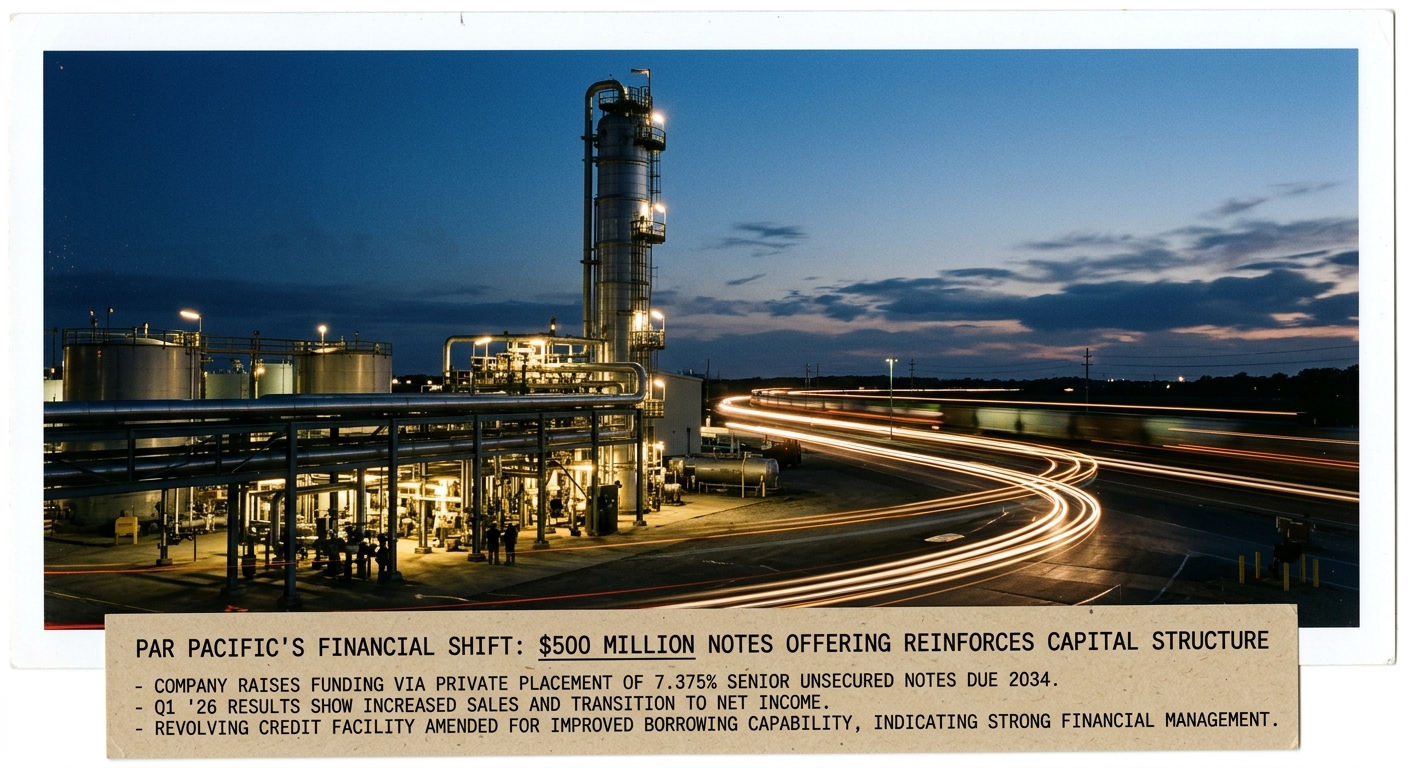
Par Pacific Strengthens Capital Structure with $500 Million Notes Offering and Improved Financial Performance
Par Pacific Holdings, Inc. has recently strengthened its capital structure by completing a $500 million private placement of 7.375% senior unsecured notes, which are set to mature on June 1, 2034. Thi…
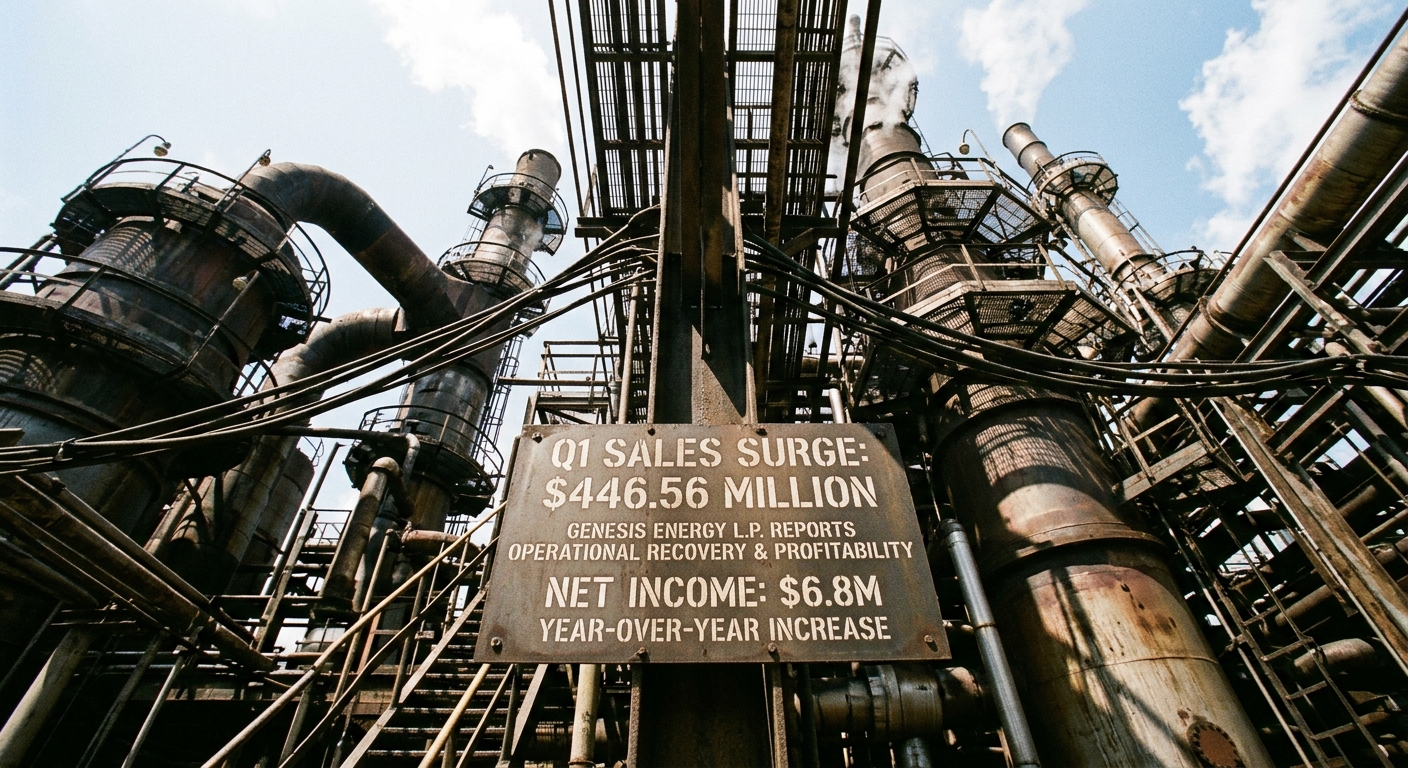
Genesis Energy L.P. Reports Q1 Profitability Surge with $446.56 Million in Sales
Genesis Energy L.P. (Ticker: UNDEFINED) announces its first-quarter financial results, signaling a resurgence in profitability and operational performance. The company reports total sales of $446.56 m…

Nordic American Tankers Finalizes New Leasing Contracts to Strengthen Cash Position and Dividends.
Nordic American Tankers (Ticker: NAT) has recently marked a significant milestone by finalizing multiple new vessel leasing contracts in a favorable tanker market. This strategic move is aimed at rein…