
Exxon Mobil's Strategic Navigation of Geopolitical Tensions and Rising Oil Prices
- Exxon Mobil can leverage rising oil prices and increased demand due to geopolitical tensions for potential financial gains.
- The company's operational scale and diverse portfolio enhance its ability to navigate global market volatility effectively.
- Geopolitical tensions may push Exxon Mobil to rethink strategies regarding oil production and invest more in renewable energy.
Navigating Tensions in Global Oil Markets: Opportunities for Exxon Mobil
As geopolitical tensions escalate, particularly with the ongoing U.S.-Iran conflict, the global oil market faces increasing volatility. Notably, events in the Middle East disrupt shipping routes, particularly through the pivotal Strait of Hormuz, which handles about 20% of the world's petroleum liquids. This has led to significant price surges in crude oil; recent reports indicate that Brent crude futures have experienced a remarkable jump of 28%, the largest increase since April 2020. For Exxon Mobil, a key player in the oil industry, these developments underscore the necessity to adapt strategies in order to leverage potential opportunities while managing risks associated with fluctuating prices.
Exxon Mobil is well-positioned to navigate these challenges due to its vast operational capacity and diversified portfolio. As prices climb, the company's extensive investments in exploration and production may yield substantial returns, especially if crude prices ascend closer to $100 per barrel, as some analysts predict. Such a price point could enhance Exxon's free cash flow, allowing it to reinvest in high-return projects or return value to shareholders. Furthermore, the ongoing disruption in oil supply chains could provide Exxon Mobil with opportunities to expand its market share both domestically and internationally, capitalizing on rising demand amid uncertain supply environments.
However, the complexities of the U.S. oil market also present challenges. The United States, despite its significant production capabilities, remains vulnerable to global market dynamics due to its free enterprise system. Domestic oil often sells at a discount to global benchmarks, highlighting the need for refineries equipped to handle the unique specifications of U.S. crude. The Biden administration's constraints on energy policies also impact Exxon's ability to maximize output and strategically manage exports. As Exxon Mobil navigates these interconnected issues, its capacity to adapt to market fluctuations will be crucial.
In addition to immediate economic impacts, these geopolitical tensions may catalyze long-term shifts towards energy policies. Companies like Exxon Mobil may need to reconsider their strategies, not just in terms of oil production but also in renewable energy investments. As nations grapple with the implications of relying on fossil fuels amidst geopolitical instability, the potential for accelerated transitions toward sustainability becomes increasingly evident.
Ultimately, while Exxon Mobil faces challenges amid a tumultuous global landscape, the company’s strategic positioning and operational scale provide a pathway to capitalize on rising oil prices and adapt to the evolving energy marketplace.
Related Cashu News
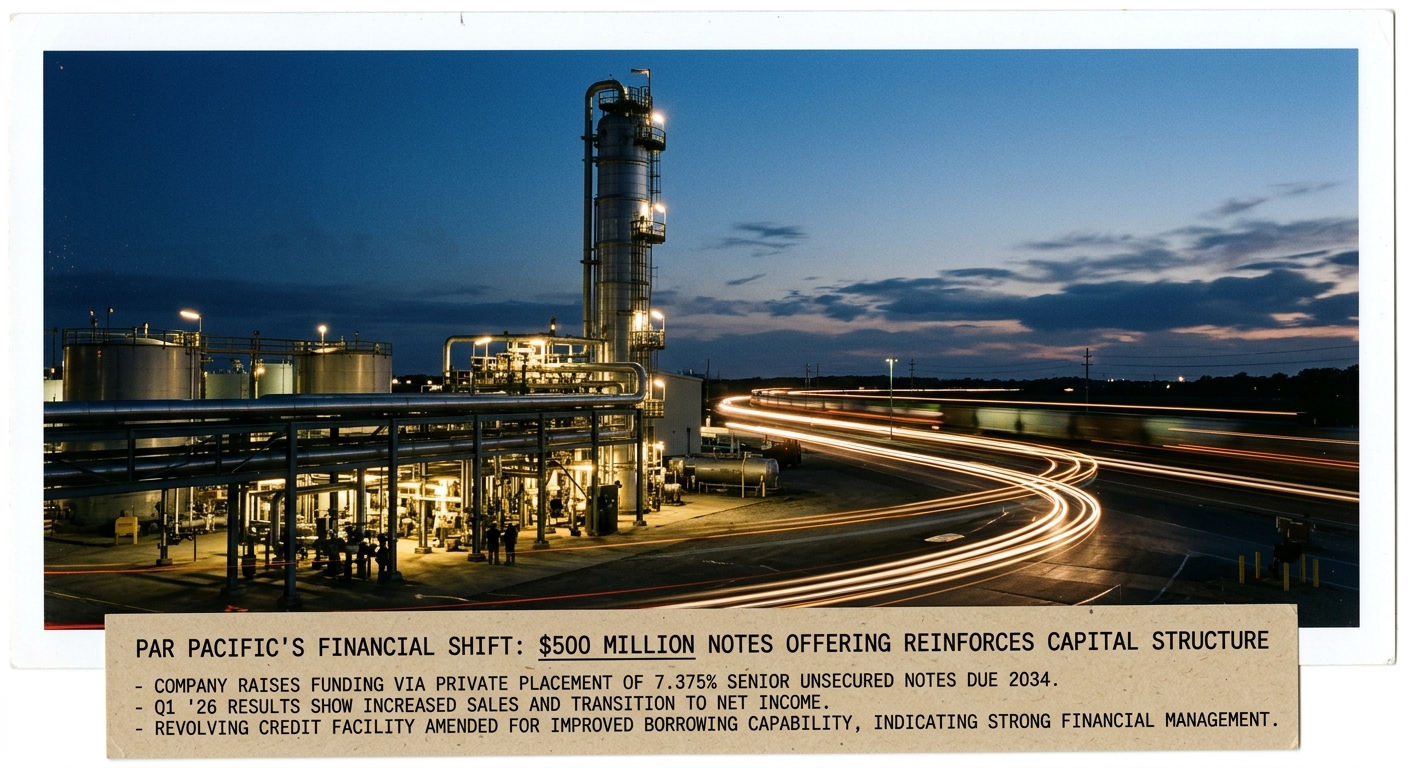
Par Pacific Strengthens Capital Structure with $500 Million Notes Offering and Improved Financial Performance
Par Pacific Holdings, Inc. has recently strengthened its capital structure by completing a $500 million private placement of 7.375% senior unsecured notes, which are set to mature on June 1, 2034. Thi…
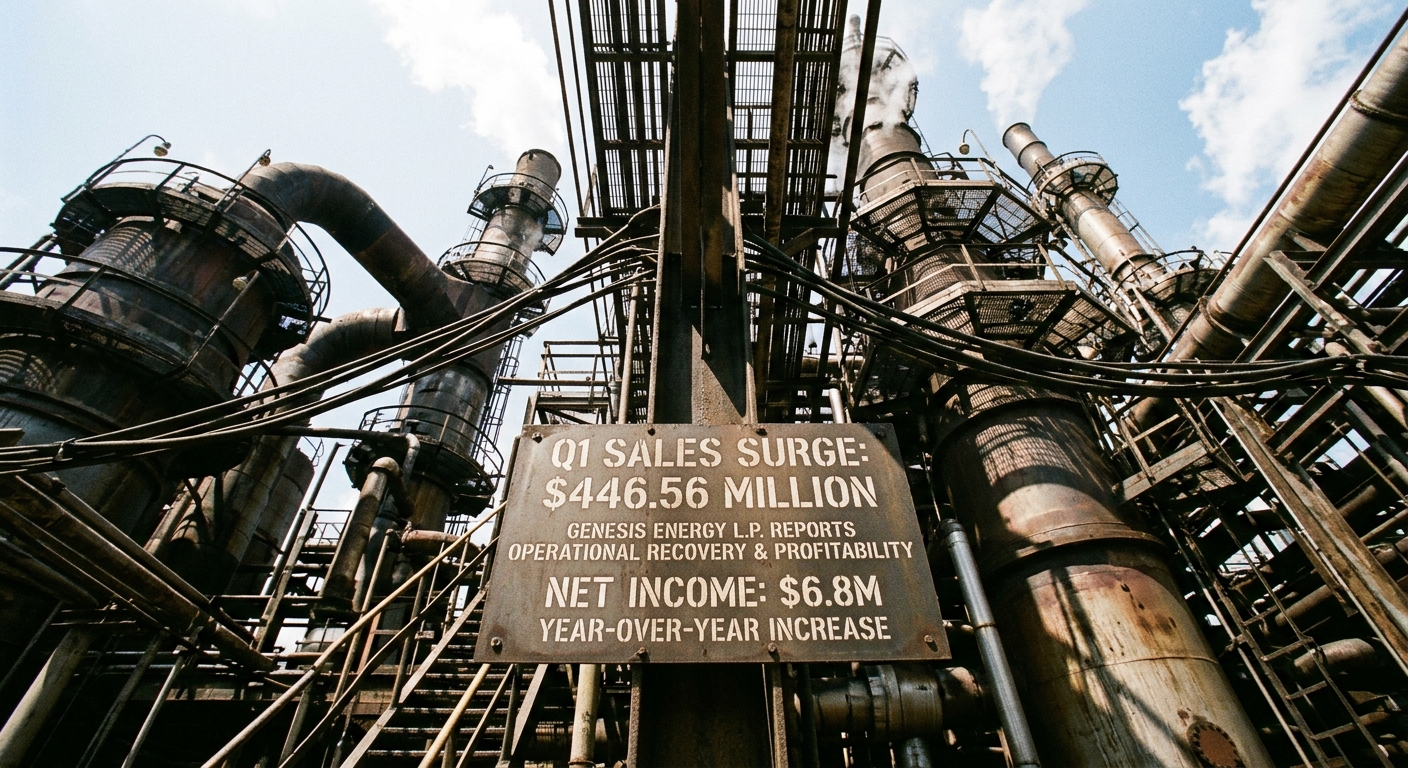
Genesis Energy L.P. Reports Q1 Profitability Surge with $446.56 Million in Sales
Genesis Energy L.P. (Ticker: UNDEFINED) announces its first-quarter financial results, signaling a resurgence in profitability and operational performance. The company reports total sales of $446.56 m…

Nordic American Tankers Finalizes New Leasing Contracts to Strengthen Cash Position and Dividends.
Nordic American Tankers (Ticker: NAT) has recently marked a significant milestone by finalizing multiple new vessel leasing contracts in a favorable tanker market. This strategic move is aimed at rein…
Marine Petroleum Trust Announces Quarterly Distribution Amid Fluctuating Energy Sector Conditions
Marine Petroleum Trust (Ticker: MARPS) announces a quarterly cash distribution of $0.096470 per unit, reflecting a decrease compared to prior distributions. This development highlights the trust's ong…