
Exxon Mobil’s Supreme Court Case on Seized Cuban Assets Could Impact International Claims
- Exxon Mobil is seeking over $1 billion in restitution for assets seized by the Cuban government over 60 years ago.
- The case challenges the application of the Helms-Burton Act against foreign sovereign immunity protections for Cuba.
- The U.S. Supreme Court's ruling could impact future claims and enforcement of property rights in international business.
Title: Exxon Mobil's Legal Battle Over Seized Assets Gains Traction Before U.S. Supreme Court
Exxon Mobil is embroiled in a significant legal development as the U.S. Supreme Court prepares to hear its case concerning the company's claims for compensation on energy assets seized by the Cuban government over six decades ago. This case stems from the 1996 Cuban Liberty and Democratic Solidarity Act, known as the Helms-Burton Act, which penalizes foreign businesses for "trafficking" in property confiscated from U.S. interests. Exxon Mobil, formerly known as Standard Oil Co., seeks over $1 billion in restitution from three entities owned by the Cuban government for the nationalization of its assets after Fidel Castro’s 1959 revolution.
The legal complexities in Exxon Mobil's case center around whether the Helms-Burton Act effectively overrides the doctrine of foreign sovereign immunity, which typically protects foreign states from lawsuits in U.S. courts. A recent ruling by the D.C. Circuit required additional scrutiny under the Foreign Sovereign Immunities Act (FSIA), restricting claims unless they meet specific exceptions. Exxon Mobil contends that the remedies outlined in the Helms-Burton Act should prevail, arguing for a clear path to pursue claims against the Cuban government-owned companies. The impending U.S. Supreme Court decision could not only impact Exxon Mobil but also shape the landscape for other claimants and foreign businesses operating in Cuba.
As Exxon Mobil presses its claim, the implications extend beyond its financial stakes; the outcome could fundamentally alter the enforcement of U.S. property claims internationally. The government's previous suspension of Title III of the Helms-Burton Act, which allows for compensation lawsuits, has caused concern and uncertainty among potential claimants, particularly in the context of U.S.-Cuba relations. Given the Biden administration's current stance on Cuba, the court's ruling will be pivotal in determining future claims of this nature and whether they restore momentum to businesses seeking redress for longstanding grievances related to expropriation.
In a broader industry context, Exxon Mobil's legal endeavors highlight the complex intersection of international law, diplomacy, and energy commerce. As the global market evolves, such legal battles underscore the importance of ensuring property rights and the ability to seek restitution in cases of government expropriation. Observing the outcome of Exxon Mobil's case provides valuable insights for stakeholders in the energy sector as they navigate regulatory landscapes and geopolitical uncertainties.
Overall, Exxon Mobil's ongoing litigation represents a critical moment in U.S. legal history and international business relations, making it essential to monitor the Supreme Court's deliberations closely.
Related Cashu News

Kimbell Royalty Partners LP Acquires $147 Million in Oil and Gas Interests from Mesa Royalties
Kimbell Royalty Partners LP (Ticker: UNDEFINED) announces a major acquisition that significantly enhances its position in the oil and gas mineral and royalty sector. The deal, valued at approximately…
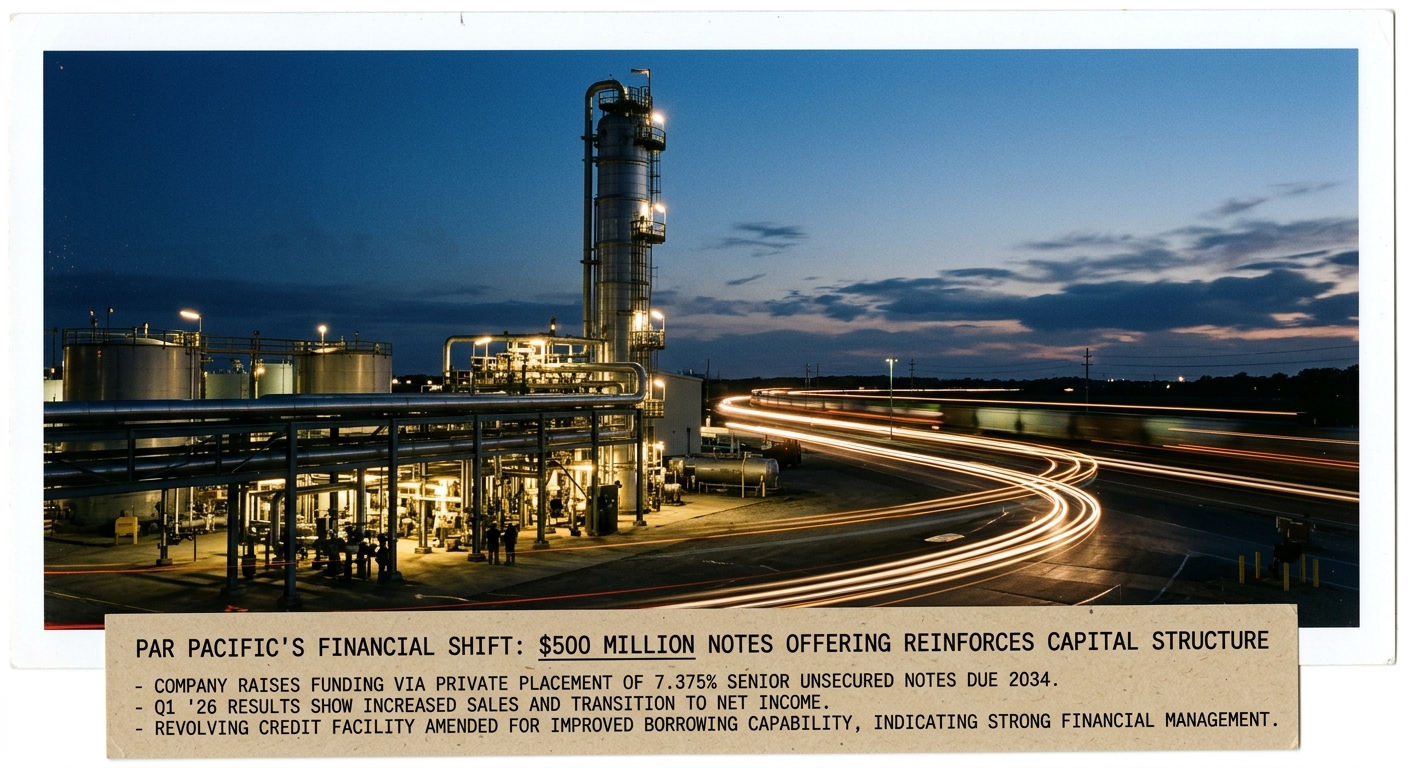
Par Pacific Strengthens Capital Structure with $500 Million Notes Offering and Improved Financial Performance
Par Pacific Holdings, Inc. has recently strengthened its capital structure by completing a $500 million private placement of 7.375% senior unsecured notes, which are set to mature on June 1, 2034. Thi…
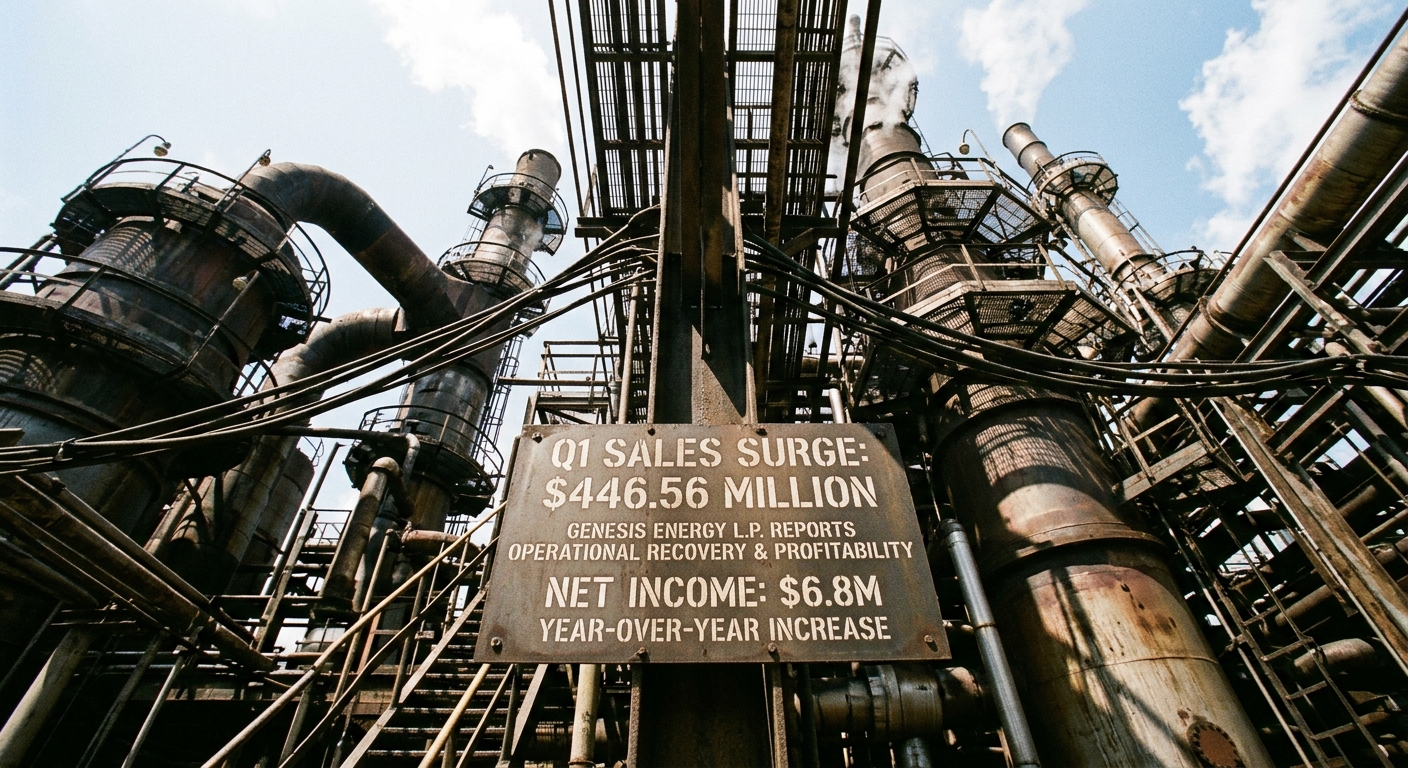
Genesis Energy L.P. Reports Q1 Profitability Surge with $446.56 Million in Sales
Genesis Energy L.P. (Ticker: UNDEFINED) announces its first-quarter financial results, signaling a resurgence in profitability and operational performance. The company reports total sales of $446.56 m…

Nordic American Tankers Finalizes New Leasing Contracts to Strengthen Cash Position and Dividends.
Nordic American Tankers (Ticker: NAT) has recently marked a significant milestone by finalizing multiple new vessel leasing contracts in a favorable tanker market. This strategic move is aimed at rein…