
FDA-cleared medical AI drives demand for Array Digital Infrastructure's GPU-ready, compliance-focused data centres
- Array's compliant data centres meet regulated AI imaging compute, storage, and low-latency workflow requirements.
- Array offers compliant edge locations and cloud-adjacent services for trials, model retraining, federated learning, secure data exchange.
- Regulatory clearances position Array as a critical enabler for deploying regulated medical AI.
When medical AI clears the FDA, data centres become part of the care pathway
Array Digital Infrastructure is positioned to see rising demand as regulatory-cleared AI imaging tools move into routine clinical use, driven by recent approvals such as Neurophet’s Neurophet AQUA AD Plus. The software’s 510(k) clearance for quantitative MRI and PET analysis underscores a growing need for secure, high-performance compute and storage to run validated AI models, retain longitudinal imaging records and deliver near-real-time results to memory clinics and radiology departments. Hospitals and imaging centres increasingly require colocated GPU capacity, private cloud environments and low-latency links to support integrated MRI/PET workflows that combine volumetric quantification, lesion mapping and standardized uptake value ratio analysis.
Array’s data centre footprint and services for regulated customers align with requirements these applications impose. FDA-cleared AI tools demand traceability, auditability and robust data governance to meet clinical and privacy standards such as HIPAA; that drives preference for certified facilities and managed services that can host protected health information and provide redundancy, encryption and compliance reporting. In addition, the computational intensity of automated lesion detection, SUVR calculations and longitudinal comparisons to normative cohorts creates sustained GPU and high-throughput storage needs, favouring providers that offer scalable rack-level GPU pods, liquid-cooling options and dedicated networking for high-bandwidth medical imaging transfers.
The migration of AI imaging from research to regulated clinical use also creates commercial opportunities for digital infrastructure companies to partner with imaging vendors, contract research organisations and health systems. Array can support clinical trials that deploy FDA-cleared software by offering compliant edge locations near hospital clusters, as well as cloud-adjacent services for model retraining, federated learning and secure data exchange. As health systems seek to reduce inter-reader variability and accelerate diagnosis-to-treatment pathways for conditions such as Alzheimer’s disease, demand for repeatable, low-latency imaging analytics is likely to increase capacity utilisation in specialist data centres.
Regulatory milestone sharpens market signal
Neurophet’s clearance of AQUA AD Plus — an upgraded U.S. version that integrates MRI and PET quantitative analysis, automated lesion localization and SUVR benchmarking against normative cohorts — acts as an example of how validated AI packages increase the infrastructure burden on care networks and research institutions.
Clinical adoption and research use accelerate infrastructure needs
The clearance reinforces industry momentum toward objective, reproducible imaging biomarkers. That momentum is translating into requirements for secure, compliant compute and storage, positioning digital infrastructure providers like Array as critical enablers of regulated medical AI deployment.
Related Cashu News

Anterix Advances Communication with FCC Approvals for Satellite and 900 MHz Spectrum Integration
Anterix Inc. (Ticker: ATEX) is enhancing its communication capabilities through recent regulatory approvals and strategic initiatives focused on expanding its spectrum technology. The Federal Communic…
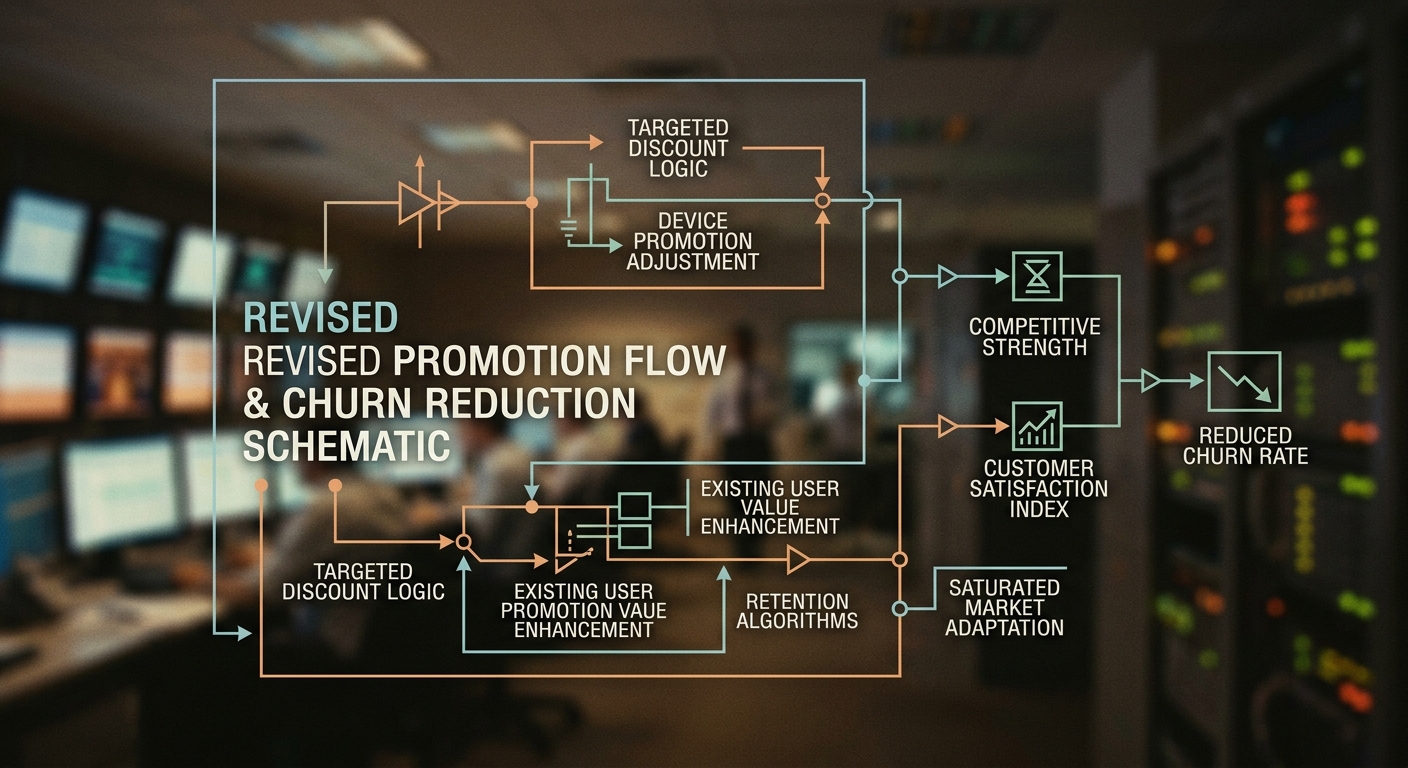
T-Mobile US Adapts Strategies to Enhance Customer Retention Amid Rising Churn Rates
T-Mobile US (Ticker: TMUS) recently adapts its discount and device promotion strategies to counteract customer dissatisfaction and rising churn rates. This significant turnaround stems from a growing…

Lumen Technologies Plans NorthLine Fiber Route to Boost Low-Latency Data Services by 2026
Lumen Technologies (Ticker: UNDEFINED) announces its ambitious plans to develop a new low-latency fiber route called NorthLine, connecting Seattle and Minneapolis by the end of 2026. This strategic in…

Verizon Joins AT&T and T-Mobile to Enhance U.S. Wireless Connectivity and Address Dead Zones
Verizon Communications (Ticker: VZ) takes a significant step in enhancing wireless connectivity across the United States by joining forces with AT&T and T-Mobile. This joint venture aims to tackle the…