
FDA crackdown on mass compounding of GLP‑1 drugs, implications for Eli Lilly
- FDA sees active ingredients from Eli Lilly flowing into compounded GLP‑1 products; aims to curb illegal mass compounding by 2026.
- FDA stresses Eli Lilly follows clinical trials, safety reporting, and regulated marketing; firms must "play by the rules." - Analysts say Eli Lilly’s tirzepatide and Lilly Direct strengthen its GLP‑1 position; oral agents and injectables will drive future competition.
FDA cracks down on unlawful mass compounding of GLP‑1 drugs, a move with direct implications for Eli Lilly
WASHINGTON — U.S. Food and Drug Administration Commissioner Marty Makary is moving to curb unlawful mass compounding of GLP‑1 obesity and diabetes medicines, telling reporters the agency is taking enforcement action and plans to restrict ingredients used in non‑approved compounded products because of safety, quality and legal concerns. Makary cites specific cases, including regulatory steps against telehealth company Hims & Hers for marketing compounded versions of Novo Nordisk’s Wegovy, and says the FDA is prepared to use direct talks, public letters, regulatory sanctions and legal action to stop widespread non‑compliant compounding.
The agency frames the effort as protecting patients and preserving the integrity of regulated drug development. Makary emphasizes that branded manufacturers such as Novo Nordisk and Eli Lilly follow formal FDA processes — clinical trials, adverse‑event disclosure and regulated marketing — and warns that firms and compounding pharmacies must “play by the rules.” He says the FDA is seeing increased flows of active pharmaceutical ingredients sourced from Novo Nordisk and Eli Lilly into compounded products and hopes illegal mass compounding can end by 2026, while noting that compliant compounding could expand legal competition in the market.
For Eli Lilly, the FDA initiative carries multiple operational and commercial implications. Restricting the use of GLP‑1 active ingredients in compounded products could reduce the circulation of unregulated formulations that pose safety risks and that may have undercut branded prescribing, improving physician confidence in licensed therapies. At the same time, enforcement could strain supply chains if manufacturers, wholesalers and compounding firms change sourcing practices; Lilly may face increased scrutiny as a source of APIs even as the move overall supports the company’s emphasis on regulated trials, safety data disclosure and formal pathways to patient access.
Analysts underscore Lilly’s position in the evolving obesity and GLP‑1 landscape
Industry analysts say Eli Lilly’s tirzepatide and its broader development program leave it well positioned as GLP‑1 medicines reshape obesity treatment. They point to upcoming oral agents such as orforglipron and next‑generation injectables as key drivers of future competition, and highlight patient‑facing channels like Lilly Direct as important for scaling access and support.
Lilly reports promising long‑term Crohn’s disease data
Eli Lilly on Thursday releases encouraging long‑term data for a Crohn’s disease therapy, reporting sustained clinical benefit over extended follow‑up. The company and observers say the findings could affect prescribing, ongoing development and regulatory review, though detailed numerical results and peer‑reviewed analyses are pending.
Related Cashu News
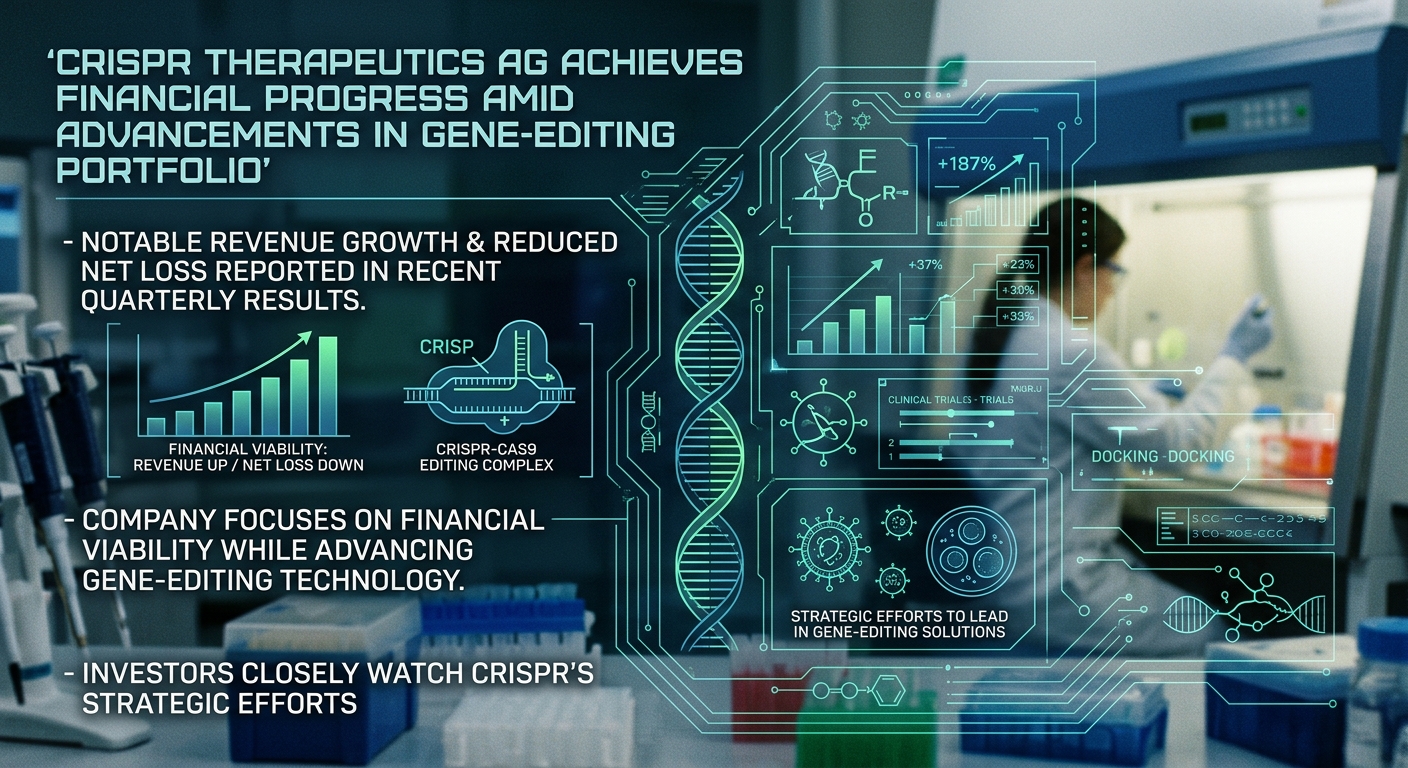
CRISPR Therapeutics AG Achieves Financial Progress Amid Advancements in Gene-Editing Portfolio
CRISPR Therapeutics AG (Ticker: UNDEFINED) showcases a pivotal moment in its financial journey with the release of its results for the first quarter of 2026. Highlighting a revenue of $1.46 million, t…

MetaVia to Present Innovative Cardiometabolic Research at 2026 ADA Scientific Sessions
MetaVia is set to showcase its innovative research in cardiometabolic diseases at the upcoming American Diabetes Association (ADA) Scientific Sessions in 2026, following the acceptance of three late-b…

Ionis Pharmaceuticals Advances TRYNGOLZA for Hypertriglyceridemia and Diranersen for Alzheimer's Disease
Ionis Pharmaceuticals has made headlines in the biotechnology sector with the promising potential of its drug TRYNGOLZA, which is designed to treat severe hypertriglyceridemia. During a recent healthc…

ImmunityBio Partners with BCG Laboratory to Enhance Bladder Cancer Treatment Supply and Options
ImmunityBio has secured a critical partnership with Japan's BCG Laboratory to enhance the supply of Bacillus Calmette-Guérin (BCG) in the United States, addressing an urgent need in the treatment of b…