
Fed, inflation outlook reshapes Rogers Communications' capital, cost and retail strategy
- Interest-rate outlook shapes Rogers’ financing timing for network upgrades, spectrum payments and long-term project schedules.
- Wage and inflation trends affect Rogers’ labour, equipment and logistics costs; lower fuel partially offsets network expenses.
- Retail momentum supports handset upgrades and bundling, while reduced tech volatility eases Rogers’ procurement risk.
Monetary guidance reshapes Rogers' capital and cost planning
Rogers Communications faces a near-term planning test as a string of U.S. macro releases and heavy Fed commentary this week sharpen interest-rate expectations that influence telecom capital spending. The U.S. employment and CPI reports, together with December retail sales and the quarterly employment cost index, are feeding market estimates for slower inflation and modest payroll gains. That outlook is central for Rogers because borrowing costs and swap curves inform timing for financing network upgrades, spectrum payments and long-term project schedules across Canada’s wireless and broadband businesses.
Wage and inflation dynamics in the data have immediate operational consequences for Rogers. Forecasts for average hourly earnings gains and the employment cost index shape labour-cost trajectories for the company’s field and retail workforces, while headline and core CPI readings affect broader input-price pressures for equipment, contracted services and logistics. At the same time, an anticipated drop in motor fuel weighs down transportation and maintenance costs, offering a modest offset to wage-driven expense pressures in Rogers’ network operations.
Policy signals from U.S. central bankers and global inflation updates also influence the environment for Rogers’ capital allocation. If commentary points to steadier or lower-for-longer rates, Rogers may accelerate discretionary investments such as fibre expansion and 5G densification. Conversely, a hawkish tone could preserve a more conservative pace of capital deployment. Benchmark revisions to U.S. employment data and volatility around key monthly releases add uncertainty to near-term rate expectations, prompting Rogers to keep flexibility in procurement and financing plans.
Consumer demand and retail implications
Retail sales momentum, if sustained, supports handset upgrades and bundling opportunities that drive Rogers’ retail sales and service revenues. Analysts’ projections for modest monthly retail gains and a healthy Q4 retail control trend suggest continued consumer spending resilience, which can underpin promotional strategies for device financing and bundled content offerings.
Global inflation and industry backdrop
Inflation readings from China and several European economies, alongside ongoing corporate earnings in the technology sector, are shaping equipment supply chains and vendor pricing. Reduced volatility from major tech reports so far eases short-term procurement risk for Rogers, though upcoming results from large chipmakers may affect the timing and cost of network hardware.
Related Cashu News
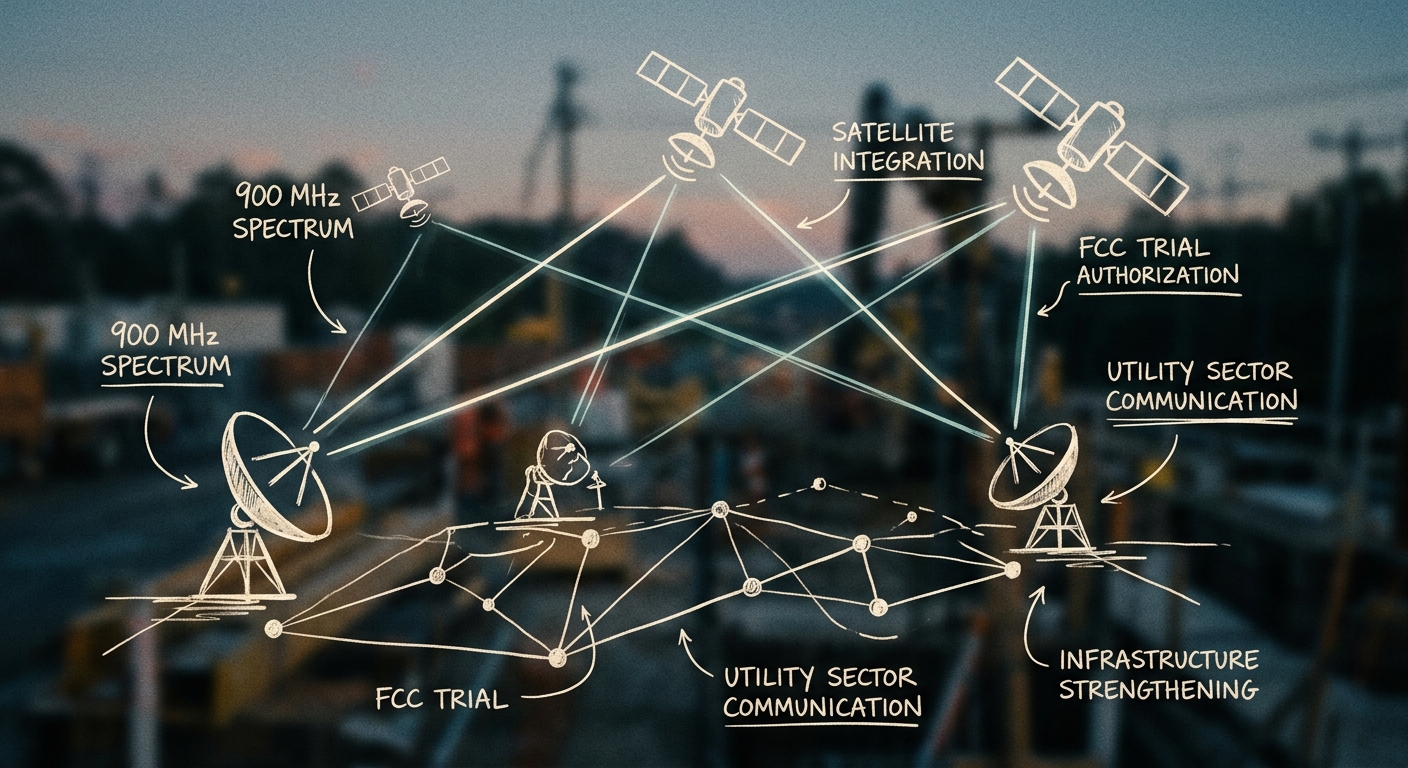
Anterix Advances Communication with FCC Approvals for Satellite and 900 MHz Spectrum Integration
Anterix Inc. (Ticker: ATEX) is enhancing its communication capabilities through recent regulatory approvals and strategic initiatives focused on expanding its spectrum technology. The Federal Communic…
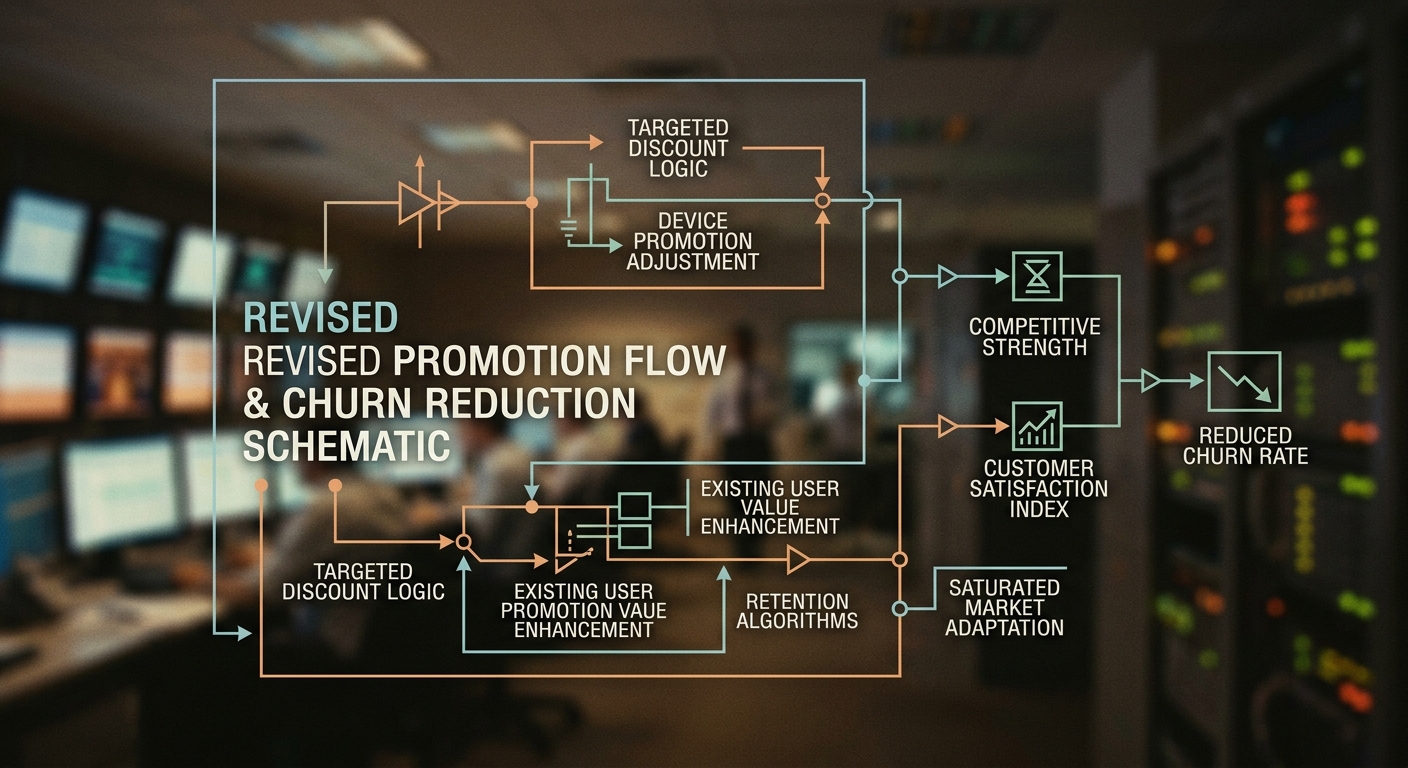
T-Mobile US Adapts Strategies to Enhance Customer Retention Amid Rising Churn Rates
T-Mobile US (Ticker: TMUS) recently adapts its discount and device promotion strategies to counteract customer dissatisfaction and rising churn rates. This significant turnaround stems from a growing…

Lumen Technologies Plans NorthLine Fiber Route to Boost Low-Latency Data Services by 2026
Lumen Technologies (Ticker: UNDEFINED) announces its ambitious plans to develop a new low-latency fiber route called NorthLine, connecting Seattle and Minneapolis by the end of 2026. This strategic in…

Verizon Joins AT&T and T-Mobile to Enhance U.S. Wireless Connectivity and Address Dead Zones
Verizon Communications (Ticker: VZ) takes a significant step in enhancing wireless connectivity across the United States by joining forces with AT&T and T-Mobile. This joint venture aims to tackle the…