
Fertilizer Supply Crisis Threatens Agriculture Amid U.S.-Iran Tensions
- CF Industries Holdings faces potential fertilizer supply disruptions due to rising tensions in the Middle East affecting urea prices.
- Urea prices surged from $475 to $680 per metric ton, impacting U.S. food inflation and agricultural output.
- U.S. reliance on international fertilizer markets for 20% of needs heightens urgency for mitigation strategies amidst supply challenges.
Fertilizer Supply Disruption Looms Amid Middle East Tensions
The ongoing conflict between the U.S. and Iran has significant implications for global fertilizer supply, as disruptions through the critical Strait of Hormuz threaten agricultural productivity. Over one-third of the world's fertilizers traverse this vital waterway, and current tensions have already resulted in a steep rise in urea prices, which increased from $475 to $680 per metric ton. As spring planting season approaches, farmers face the prospect of insufficient fertilizer supplies, crucial for optimizing crop yields of essential commodities like soybeans and corn. Experts indicate that the current situation poses a looming crisis that must be addressed to avoid severe repercussions in food inflation and agricultural output.
Stephanie Roth, chief economist at Wolfe Research, emphasizes the ripple effects that fertilizer shortages could wreak on consumer prices. An anticipated rise of approximately 2 percentage points in "food-at-home" inflation, stemming from fertilizer supply issues, has the potential to exacerbate an already challenging economic landscape for U.S. households. With food inflation standing at 2.4% year-over-year as of February, the combination of rising fertilizer costs and persistent energy price increases further complicates the financial strain on consumers. The situation highlights the direct correlation between geopolitical events and agricultural economics, raising concerns over the food security of the nation.
As commercial traffic through the Strait impacts on-time fertilizer shipments critical for early crop application, the agricultural sector braces for increased input costs. Farmers may be forced to reduce application rates to manage expenditures, which could significantly impair crop yields. The Fertilizer Institute reports a staggering 30% surge in the price per short ton of urea fertilizer imports since the conflict escalated, indicating a troubling trend that, if left unchecked, could escalate food costs and vulnerability for U.S. consumers. Given the United States' reliance on international fertilizer markets for about 20% of its needs, the urgency for mitigation strategies becomes increasingly clear.
Beyond the immediate fertilizer crisis, broader implications for the global supply chain manifest as critical sectors intersect. The aluminum market, another key area impacted by the geopolitical situation, faces significant supply risks due to the Middle East's contributions to U.S. aluminum imports. Consequently, rising aluminum prices could place pressure on industries such as automotive and construction. The interconnectedness of these market disruptions underscores the necessity for stabilizing efforts to ensure that essential materials remain accessible for both agricultural and industrial applications alike.
Related Cashu News
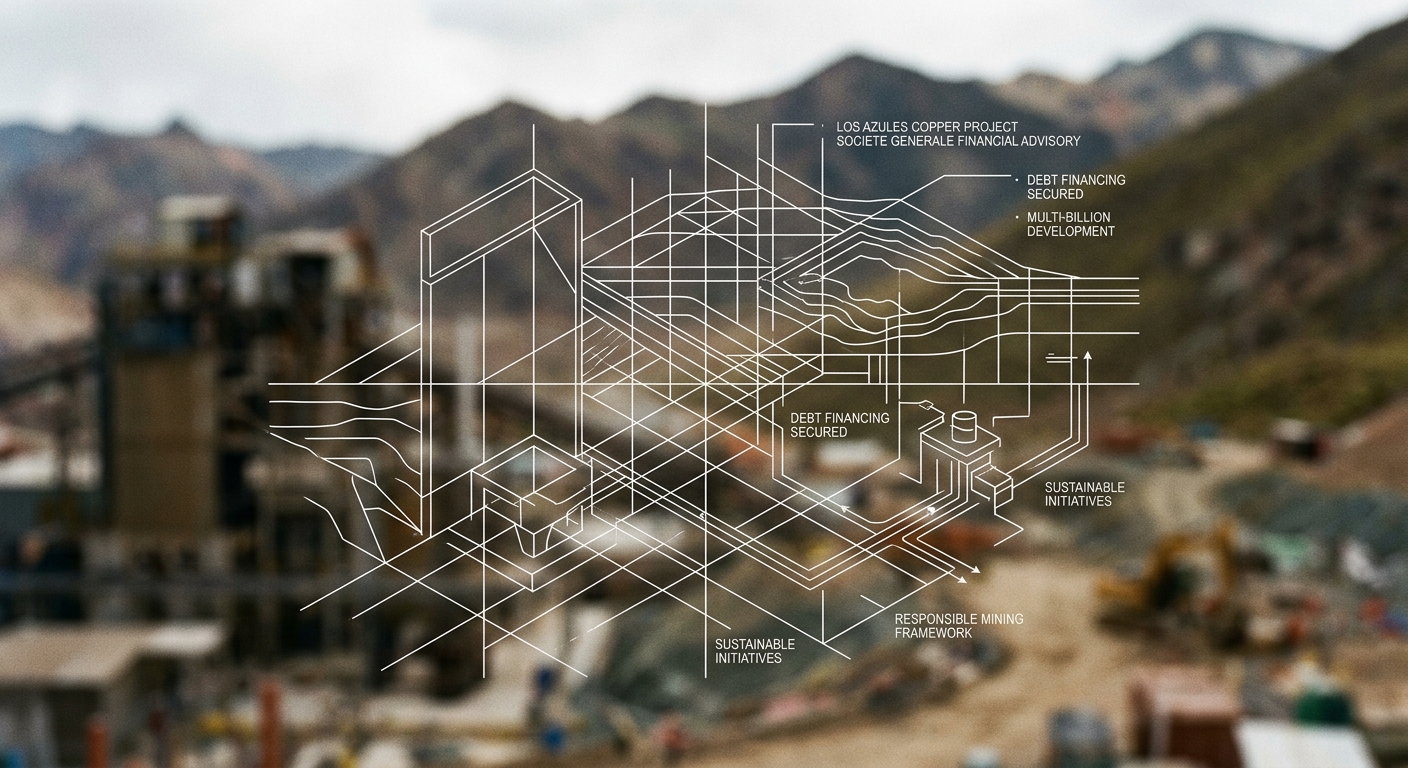
McEwen Mining Advances Los Azules Copper Project with Societe Generale's Financial Support
McEwen Mining has made a significant advancement in its copper mining ambitions by securing Societe Generale as the sole financial advisor for the Los Azules copper project in Argentina. With this str…
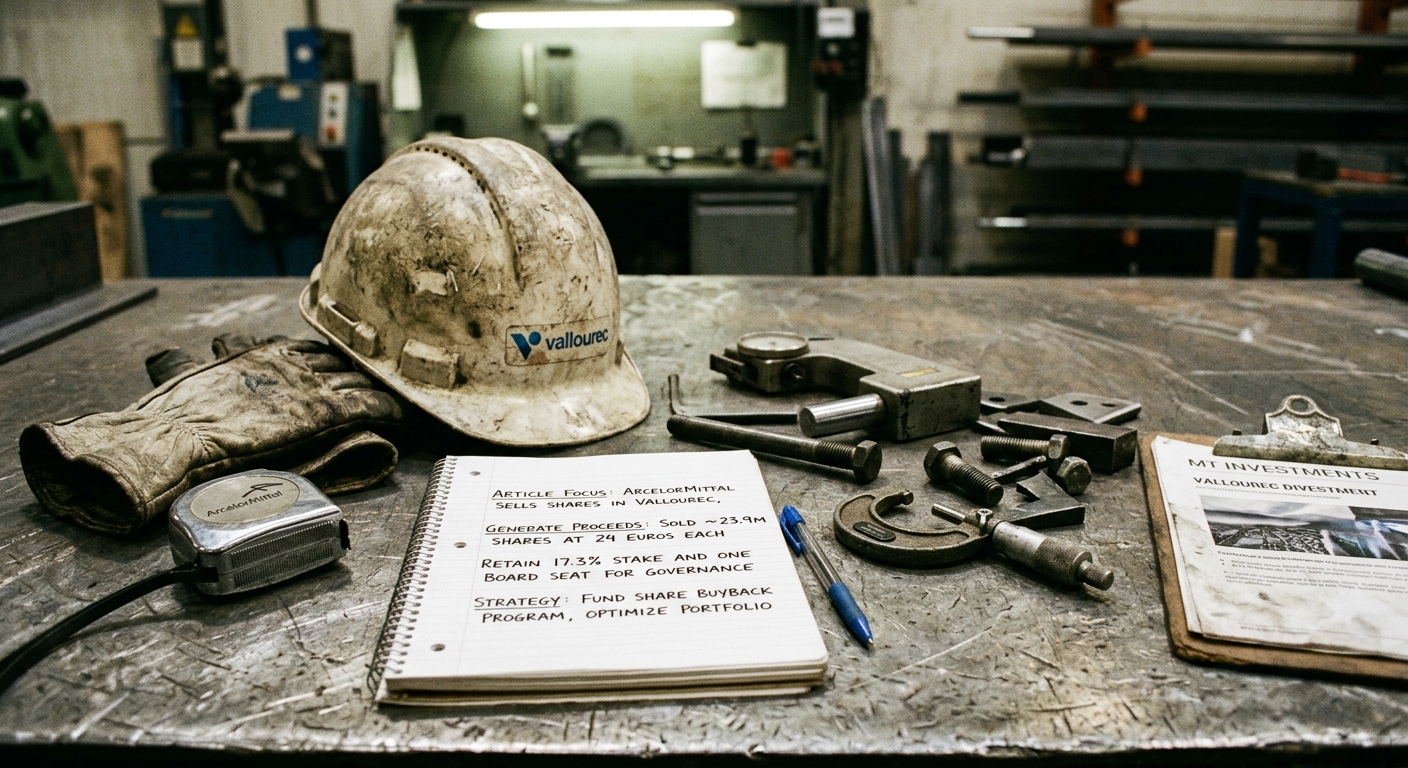
ArcelorMittal Sells Shares in Vallourec to Fund Share Buyback While Retaining Board Influence
In a strategic move, ArcelorMittal (Ticker: UNDEFINED), a leading global steel and mining company, has successfully sold approximately 23.9 million shares of Vallourec at a price of 24 euros per share…

Agnico Eagle Mines Announces Positive Investment Decision for Hope Bay Project in Nunavut
Agnico Eagle Mines Limited (Ticker: UNDEFINED) announces a positive investment decision for its Hope Bay project, reflecting its commitment to economic development in Northern Canada. The company's re…
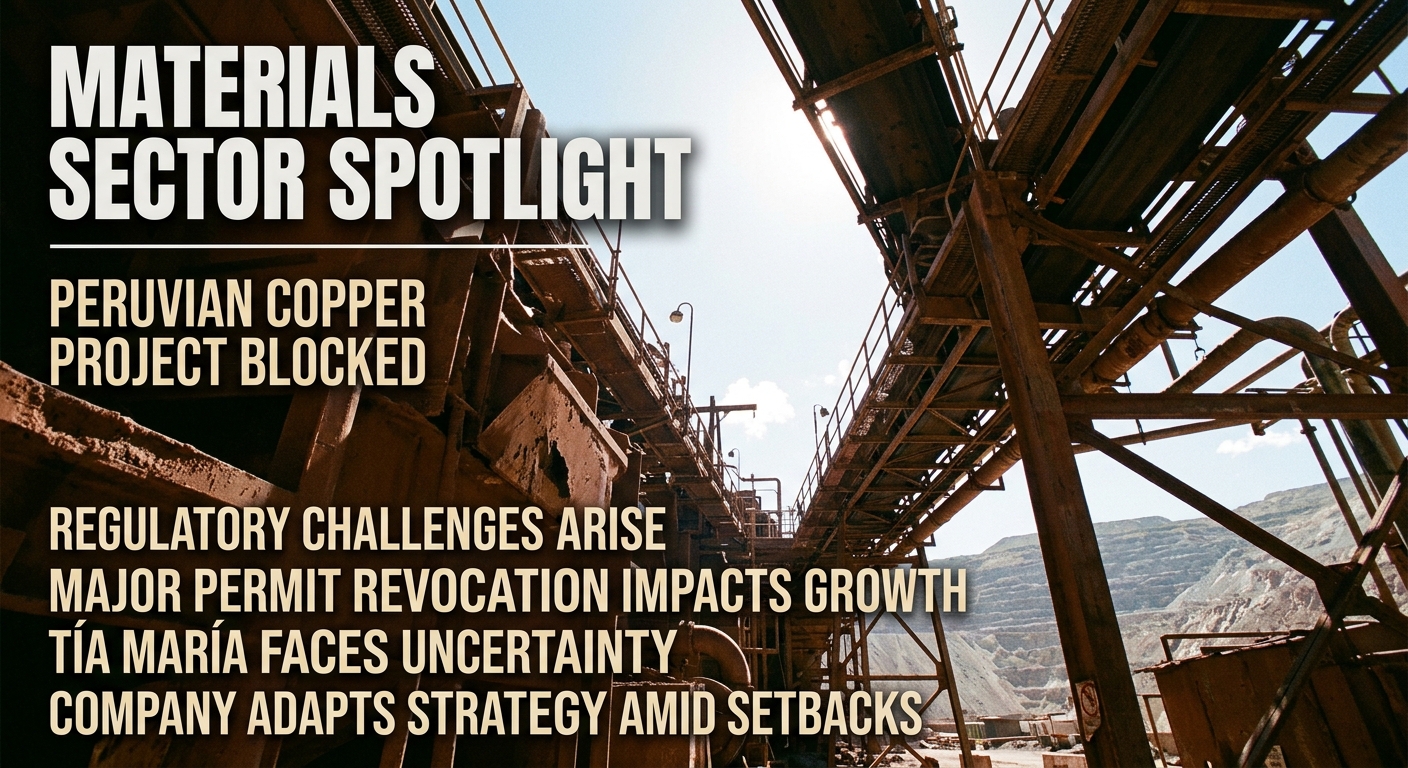
Southern Copper Faces Regulatory Challenges After Tía María Permit Revocation in Peru
Southern Copper Corporation (Ticker: SCCO) faces significant regulatory challenges following the recent revocation of its construction permit for the Tía María project in Peru. This decision marks a c…