
Geopolitical Shifts and Their Impact on Energy Fuels' Market Stability and Strategy
- Energy Fuels faces increased uncertainty in resource access and market stability due to Middle Eastern geopolitical tensions.
- The closure of the Strait of Hormuz poses significant risks to global oil supply chains, impacting Energy Fuels' operations.
- Evolving consumer demands for sustainable practices present both challenges and opportunities for Energy Fuels in adapting to market changes.
Shifts in Middle Eastern Geopolitics: Implications for Energy Fuels
The recent escalation in the U.S.-Iran conflict marks a pivotal moment in Middle Eastern geopolitics, reshaping security dynamics and creating a complex environment for energy markets. The assassination of Iranian Supreme Leader Ali Khamenei by U.S. and Israeli forces signifies a considerable tactical victory; however, it prompts Iran to adopt a new strategy of economic and geographic horizontal escalation. Unlike traditional military confrontations, this shift positions Iran to leverage its geopolitical influence by impacting critical international supply routes. The closure of the Strait of Hormuz indicates how Tehran can use its geographic advantage to control oil exports, challenging established military protocols and raising alarms about future energy supply disruptions. As a key player in the uranium mining and nuclear fuel sector, Energy Fuels faces heightened uncertainty in resource access and market stability in light of these geopolitical tensions.
Iran’s recent maneuvers, dubbed “Hormuz Leverage,” signal a significant risk to existing supply chains vital to the global oil market, even in the face of U.S. naval interventions designed to secure these routes. The complexity of energy production and distribution underscores the need for companies like Energy Fuels to reassess their strategies in a landscape where geopolitical factors directly influence market behavior. The volatility of oil availability, paired with precarious commercial insurance conditions for oil tankers navigating the Strait of Hormuz, demands a rigorous approach to risk assessment and supply chain management for energy companies. The implications of these developments extend beyond immediate military conflicts, encompassing broader trends in energy security and economic stability.
The ongoing situation prompts serious consideration of the long-term outlook for energy entities operating in volatile regions. With elevated fears surrounding nuclear proliferation and the tightening grip of authoritarian regimes in the Middle East, Energy Fuels and similar companies will need to engage in comprehensive scenario planning. As discussed by U.S. Treasury Secretary Scott Bessent, the ability to navigate these geopolitical complexities while maintaining operational safety and economic viability is paramount. Failure to grasp the far-reaching consequences of military actions could create unfavorable conditions for energy supply and corporate growth.
In addition to these geopolitical challenges, Energy Fuels and the wider energy sector must also contend with evolving consumer attitudes towards sustainable practices. There is a growing demand for cleaner energy solutions as the global market shifts toward environmental sustainability. Companies that capitalize on these trends may find opportunities to forge new alliances and pathways in this turbulent landscape. Addressing both the geopolitical risks and the shift in public sentiment represents a dual challenge for Energy Fuels, but it also opens doors for innovation and growth in the upcoming year. As the international arena continues to shift, a nuanced understanding of these interconnected factors will be critical for the company’s strategic decisions.
Related Cashu News

Kimbell Royalty Partners LP Acquires $147 Million in Oil and Gas Interests from Mesa Royalties
Kimbell Royalty Partners LP (Ticker: UNDEFINED) announces a major acquisition that significantly enhances its position in the oil and gas mineral and royalty sector. The deal, valued at approximately…
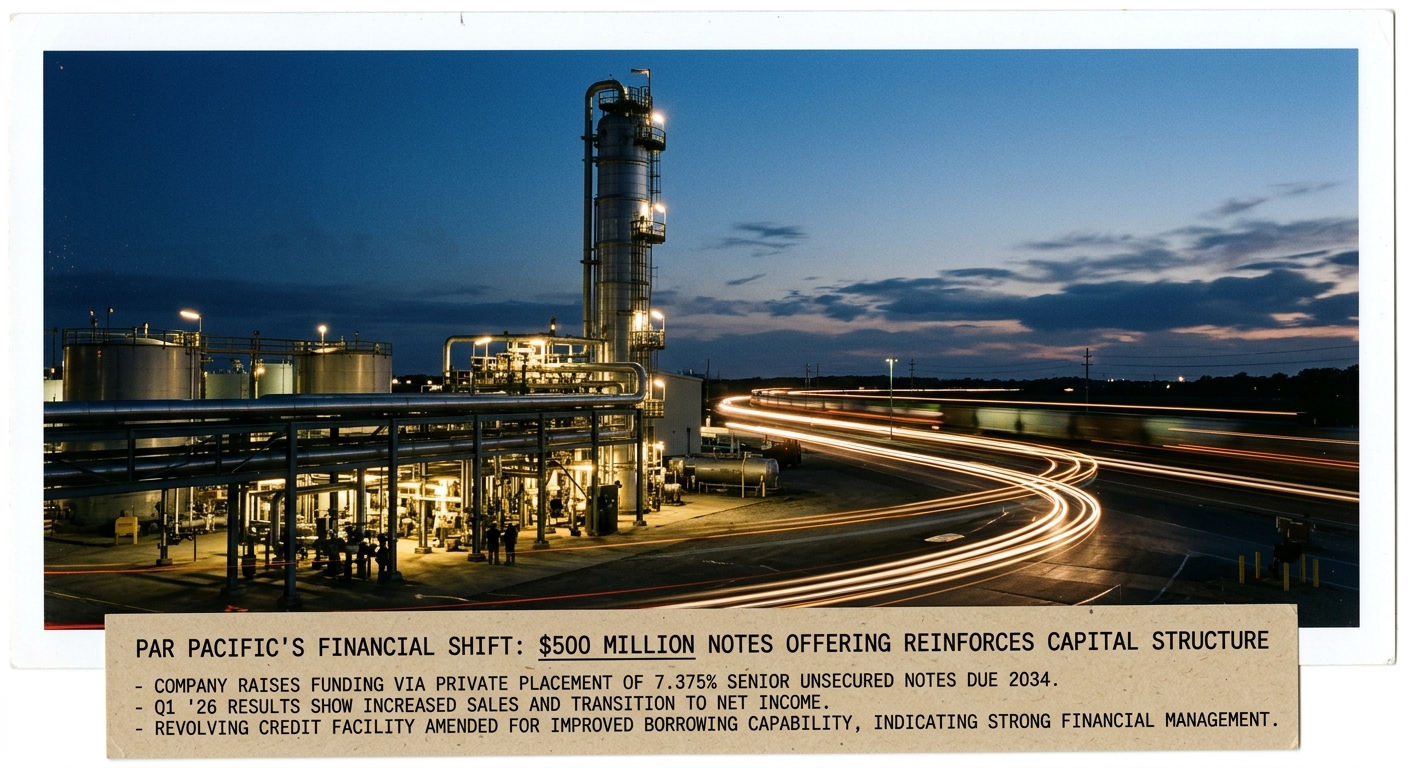
Par Pacific Strengthens Capital Structure with $500 Million Notes Offering and Improved Financial Performance
Par Pacific Holdings, Inc. has recently strengthened its capital structure by completing a $500 million private placement of 7.375% senior unsecured notes, which are set to mature on June 1, 2034. Thi…
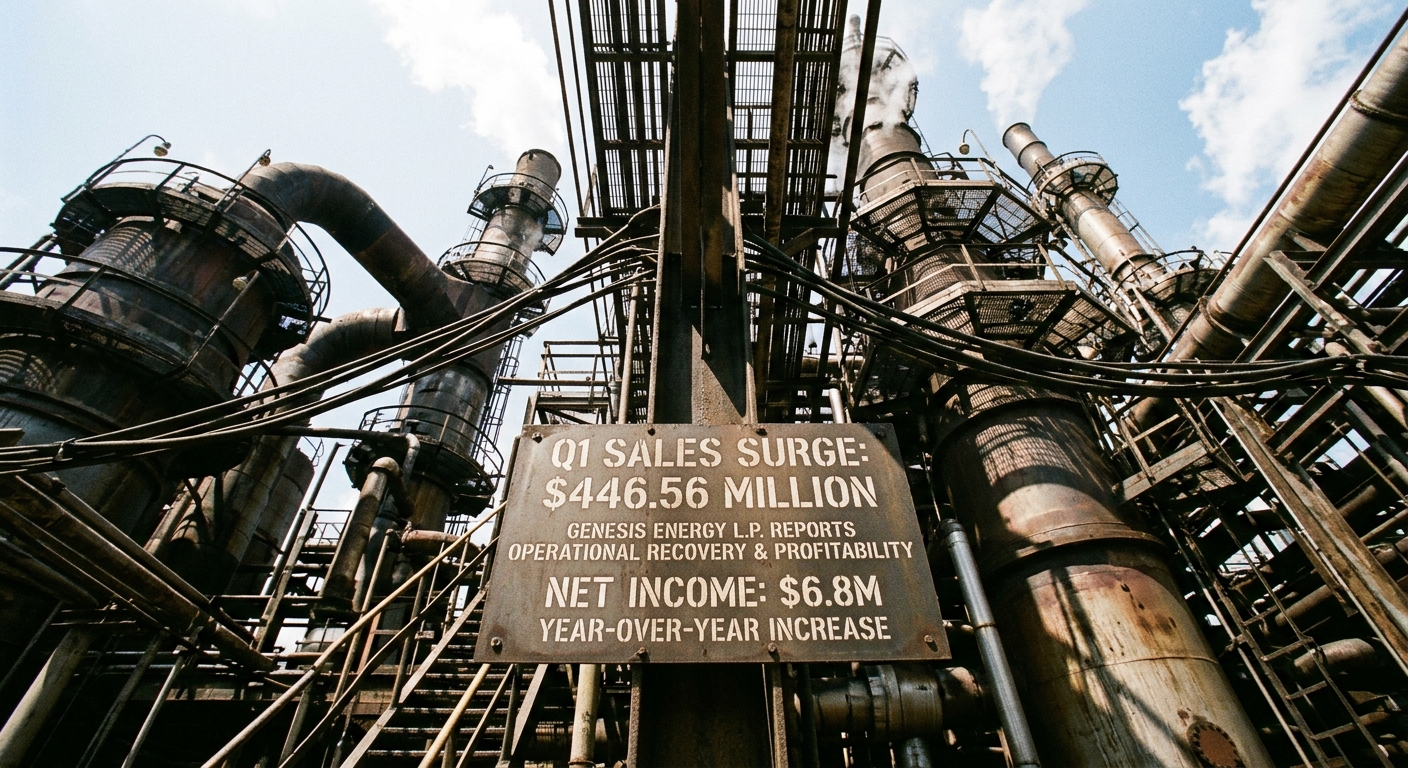
Genesis Energy L.P. Reports Q1 Profitability Surge with $446.56 Million in Sales
Genesis Energy L.P. (Ticker: UNDEFINED) announces its first-quarter financial results, signaling a resurgence in profitability and operational performance. The company reports total sales of $446.56 m…

Nordic American Tankers Finalizes New Leasing Contracts to Strengthen Cash Position and Dividends.
Nordic American Tankers (Ticker: NAT) has recently marked a significant milestone by finalizing multiple new vessel leasing contracts in a favorable tanker market. This strategic move is aimed at rein…