
Geopolitical Tensions Challenge LyondellBasell’s Supply Chain and Cost Management Strategies
- LyondellBasell faces rising costs from high oil prices impacting petrochemical production for the automotive sector.
- Disruptions in aluminum supply due to geopolitical tensions can inflate prices and hinder LyondellBasell's manufacturing efficiency.
- The company must adapt supply chain strategies and manage risks to maintain competitiveness amid unpredictable geopolitical conditions.
Impact of Geopolitical Tensions on LyondellBasell’s Supply Chain: A Critical Analysis
The ongoing tensions in Iran and the subsequent implications for global supply chains present both challenges and opportunities for companies like LyondellBasell Industries NV. Although Iran is not a central player in the automotive parts sector, the region plays a crucial role in the supply of essential raw materials like oil and aluminum, which are vital for petrochemical processes. As the U.S. grapples with rising oil prices that recently soared above $100 per barrel, efficiency and managing costs in the production of petrochemicals—a key component of plastics used in automotive manufacturing—become critical. The situation is further complicated by recent spikes in gasoline prices, which have risen sharply for consumers, reaching over $3 per gallon in states like Iowa, leading to broader concerns about consumer spending and manufacturing costs.
LyondellBasell faces two major risks stemming from these geopolitical dynamics. Firstly, high oil prices are expected to inflate the costs associated with producing the petrochemicals used in plastics, directly impacting the automotive sector where plastics constitute about 30% of the components. The company's ability to mitigate these rising costs while maintaining competitiveness in the chemical and plastics markets involves strategic supply chain management and possibly revisiting supplier relationships and production strategies. Secondly, the aluminum market also hangs in the balance; with the Middle East contributing significantly to the U.S. aluminum supply, any disruptions can have a cascading effect on production and pricing. Experts warn that ongoing conflict and reduced inventory levels could inflate aluminum prices, thereby erecting additional barriers to efficient manufacturing processes for automotive and other applications.
In addition to the cost pressures, the ramifications of supply chain disruptions extend beyond immediate production challenges. The intricate interconnections between oil, aluminum, and other materials underscore the systemic risks that geopolitical tensions impose. Companies in the industrial space, including LyondellBasell, must stay agile in their procurement strategies and adapt to the potential for sudden price changes or supply shortages. This complex interplay suggests not only a need for robust risk management frameworks but also the importance of diversifying supply chains in response to geopolitical uncertainties, reinforcing the lessons learned from this ongoing situation.
Moreover, as the conflict affects shipping routes and logistics, the overall flow of materials that both LyondellBasell and other manufacturers rely upon may face considerable disruptions. The rising costs of diesel and jet fuel, a direct outcome of increasing oil prices, could elevate shipping costs, further exacerbating the challenge of maintaining competitive pricing. As the international community monitors the situation for signs of stabilization, the urgent need for companies to navigate these challenges effectively remains evident.
In conclusion, the interlinked nature of global supply chains emphasizes the imperative for companies like LyondellBasell to innovate and adapt to ensure resilience in the face of geopolitical conflicts. The lessons learned from these disruptions will likely inform future strategies as they seek to navigate an uncertain global landscape while maintaining operational efficiency.
Related Cashu News
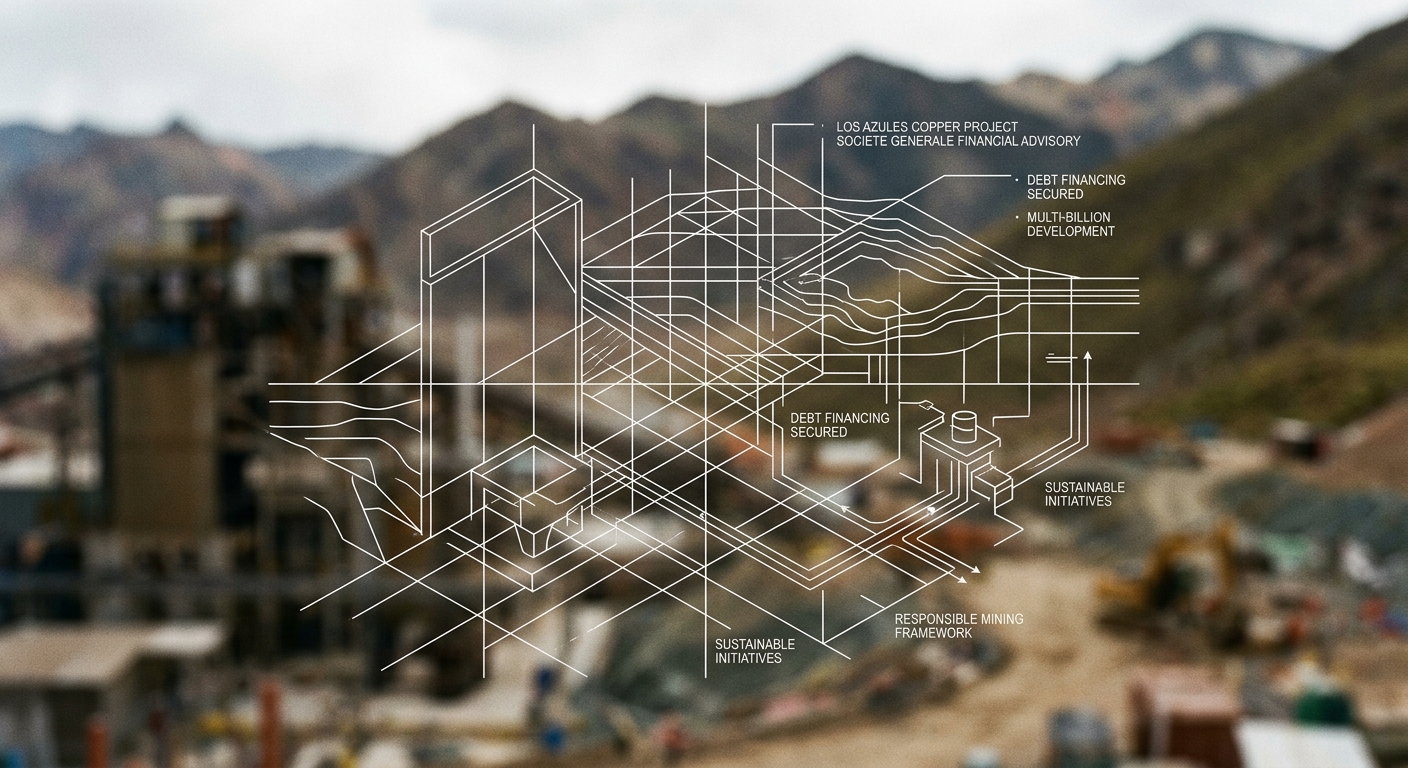
McEwen Mining Advances Los Azules Copper Project with Societe Generale's Financial Support
McEwen Mining has made a significant advancement in its copper mining ambitions by securing Societe Generale as the sole financial advisor for the Los Azules copper project in Argentina. With this str…
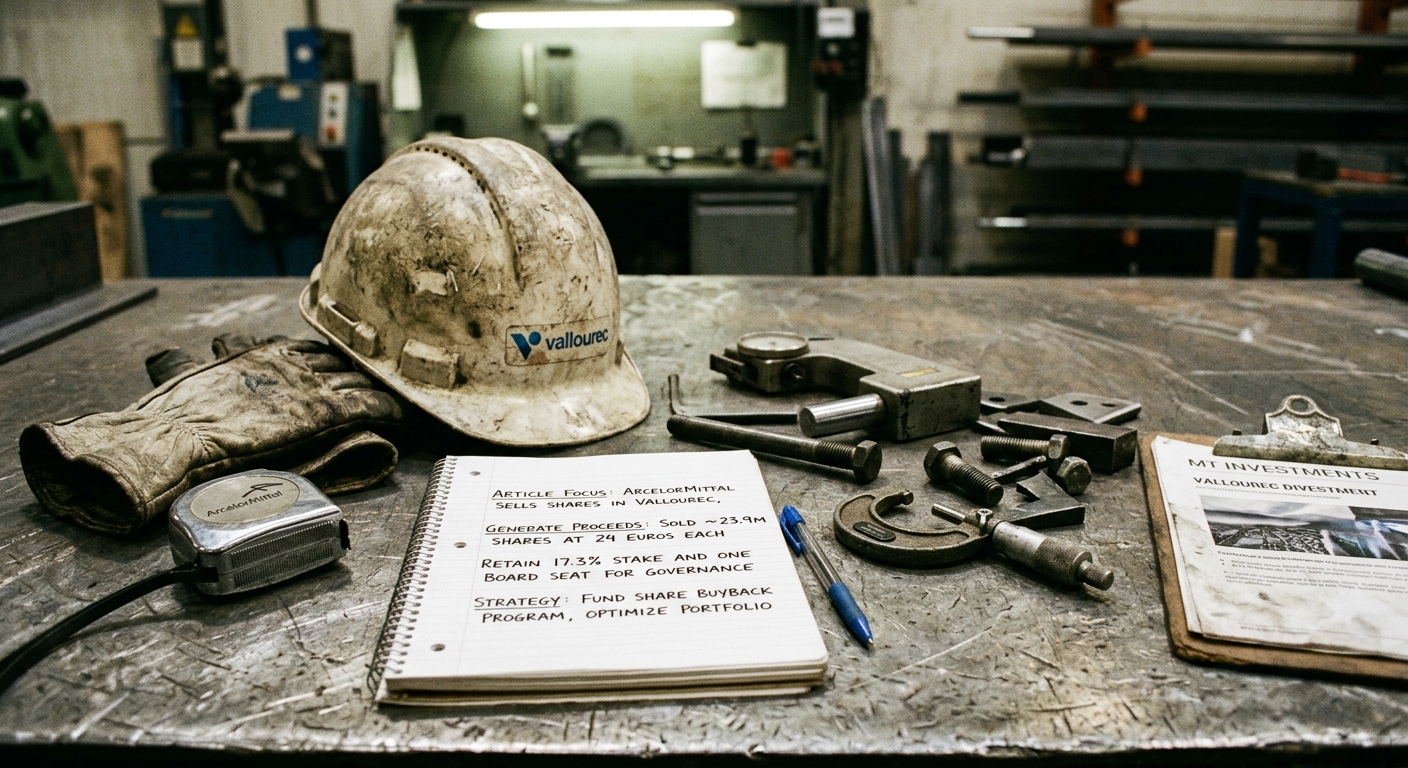
ArcelorMittal Sells Shares in Vallourec to Fund Share Buyback While Retaining Board Influence
In a strategic move, ArcelorMittal (Ticker: UNDEFINED), a leading global steel and mining company, has successfully sold approximately 23.9 million shares of Vallourec at a price of 24 euros per share…
Agnico Eagle Mines Announces Positive Investment Decision for Hope Bay Project in Nunavut
Agnico Eagle Mines Limited (Ticker: UNDEFINED) announces a positive investment decision for its Hope Bay project, reflecting its commitment to economic development in Northern Canada. The company's re…
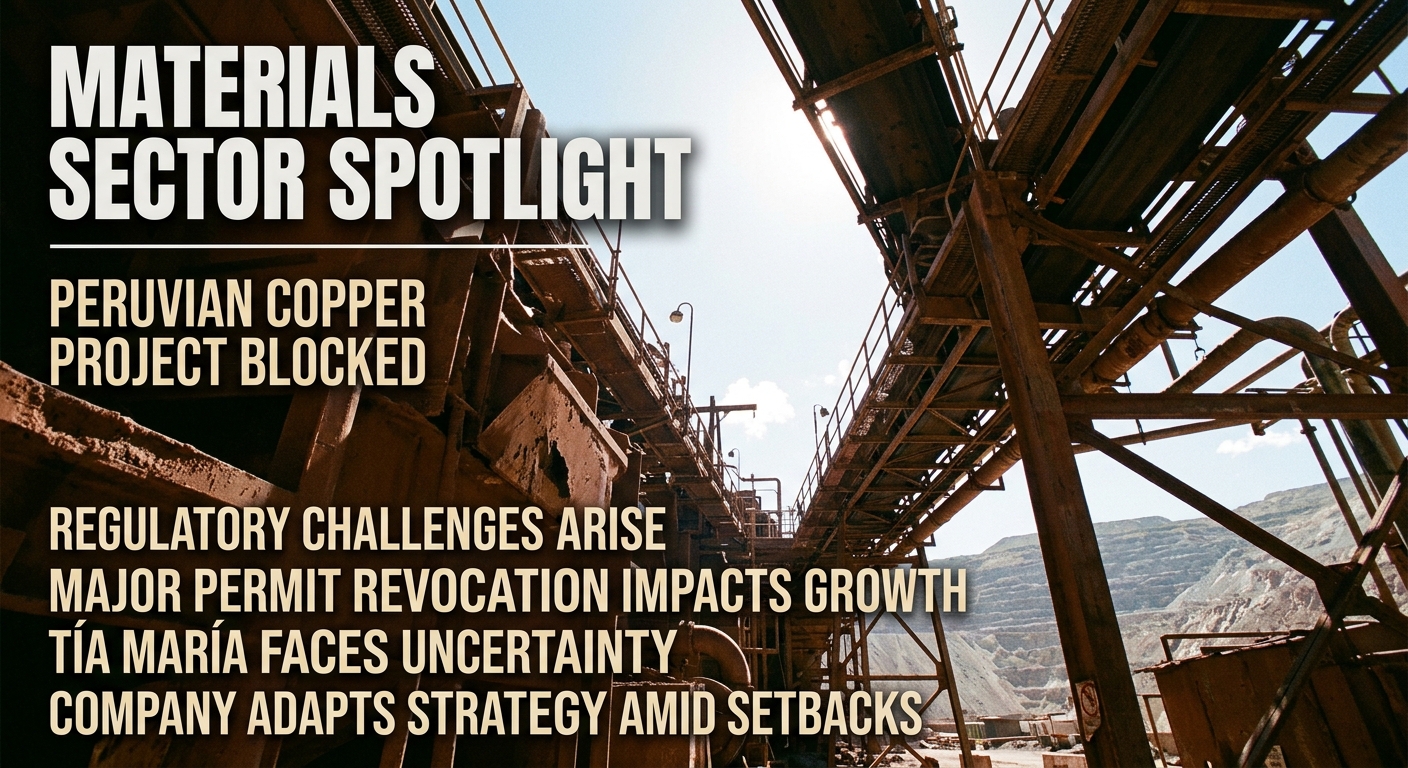
Southern Copper Faces Regulatory Challenges After Tía María Permit Revocation in Peru
Southern Copper Corporation (Ticker: SCCO) faces significant regulatory challenges following the recent revocation of its construction permit for the Tía María project in Peru. This decision marks a c…