
Geopolitical Tensions Disrupt Fertilizer Supply Chains and Impact Agricultural Markets
- Geopolitical tensions impact fertilizer supply chains, with the Strait of Hormuz critical for Mosaic Company's operations.
- Mosaic Company must adapt to rising energy costs and maintain production efficiency amid ongoing supply chain challenges.
- Analysts are concerned about how disruptions will affect fertilizer pricing, quality, and farmers' production costs linked to Mosaic.
Navigating Fertilizer Supply Disruptions Amid Geopolitical Tensions
The ongoing geopolitical tensions in the Middle East primarily stemming from the conflict involving Iran significantly impact global supply chains, particularly in the agriculture sector. Recent developments, including airstrikes on oil facilities and missile strikes on commercial vessels in crucial maritime routes like the Strait of Hormuz, disrupt oil and fertilizer supply lines. The Strait serves as a vital passage for over a third of the world’s fertilizer trade, making any disruption not only a concern for energy markets but also for agricultural productivity. With fertilizers being heavily reliant on petroleum products for production and transport, the closure of this passage risks elevating costs and leading to increased food inflation.
As the International Energy Agency (IEA) announces the release of 400 million barrels from reserves amid climactic oil price surges, the ripple effects on fertilizer availability are becoming evident. The U.S. moves to tap its Strategic Petroleum Reserve further underscore the urgency but reflect insufficient measures against rising crude prices—Brent crude now exceeds $100 per barrel. This duality highlights how a volatile energy market deeply intertwines with agricultural inputs, with the current crisis heightening concerns over future crop yields as fertilizers are typically applied early in the growing season. The interplay of these elements raises alarms about impending food supply challenges fueled by unchecked escalation in oil markets.
Consequently, fertilizer companies, particularly those within the Mosaic Company’s sector, are under scrutiny as they evaluate production capabilities against rising energy expenses. The dynamics within the industry suggest an immediate emphasis on strategic energy efficiency and alternative supply routes for crucial inputs. Analysts are watching closely how the prolonged uncertainty around Strait of Hormuz operations will impact fertilizer quality and pricing. Should disruptions persist, farmers may face steep increases in production costs, affecting both market prices and agricultural output. This crucial moment calls for agility from fertilizer producers to stabilize supply chains and protect yields while addressing the growing need for efficient resource management.
In addition to these challenges in the agricultural landscape, broader economic implications loom as rising energy costs intersect with trade policies. The implementation of Section 301 trade investigations against multiple countries, including major agricultural players like China and India, introduces further complexities to an already strained trading environment. This policy shift aims to address unfair trade practices but may have unintended consequences on commodity flows, particularly for fertilizers, which heavily rely on global supply chains.
As the situation evolves, companies like Mosaic must navigate the intricate balance between protecting their operational efficiency and responding to external market pressures. Continuous monitoring of geopolitical developments will be essential for making informed strategic decisions that can mitigate risks associated with supply chain vulnerabilities in this fluctuating landscape.
Related Cashu News
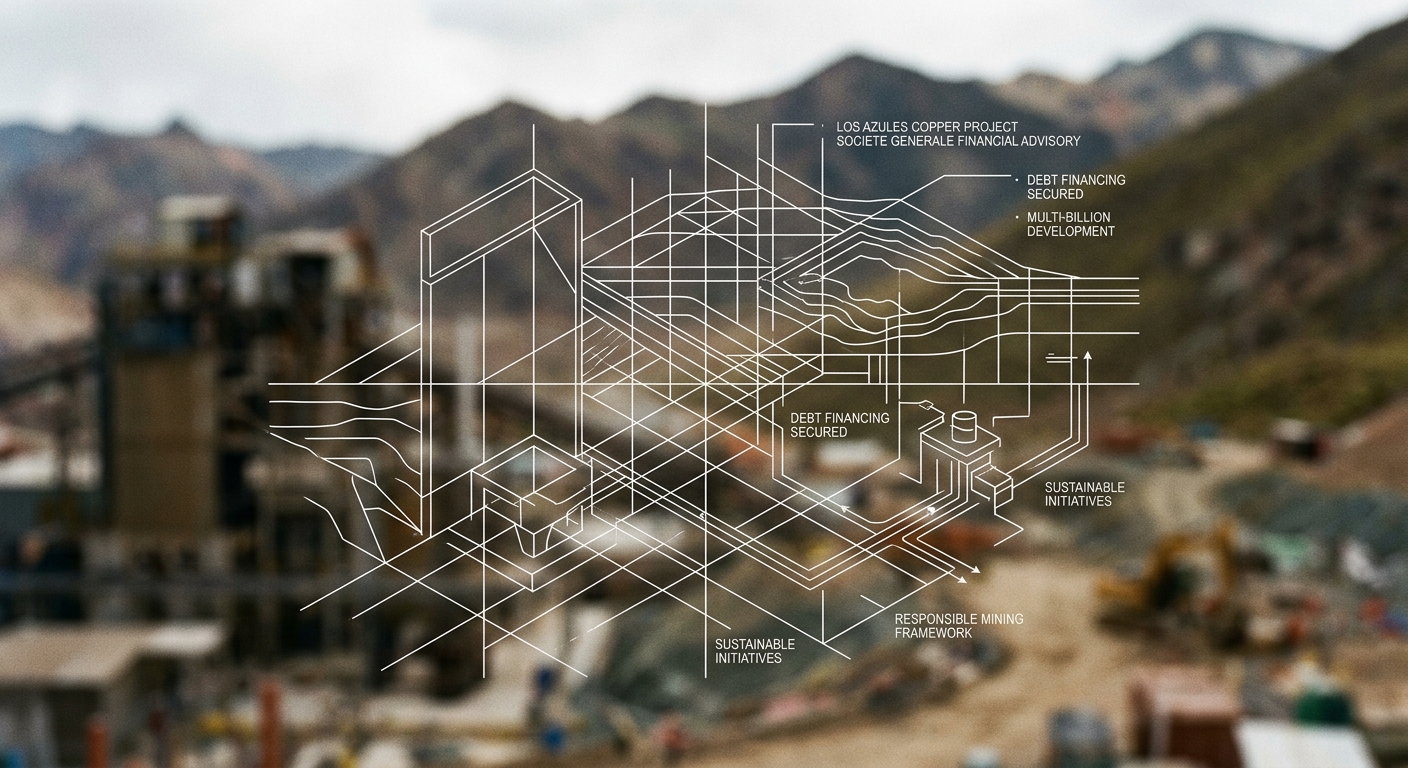
McEwen Mining Advances Los Azules Copper Project with Societe Generale's Financial Support
McEwen Mining has made a significant advancement in its copper mining ambitions by securing Societe Generale as the sole financial advisor for the Los Azules copper project in Argentina. With this str…
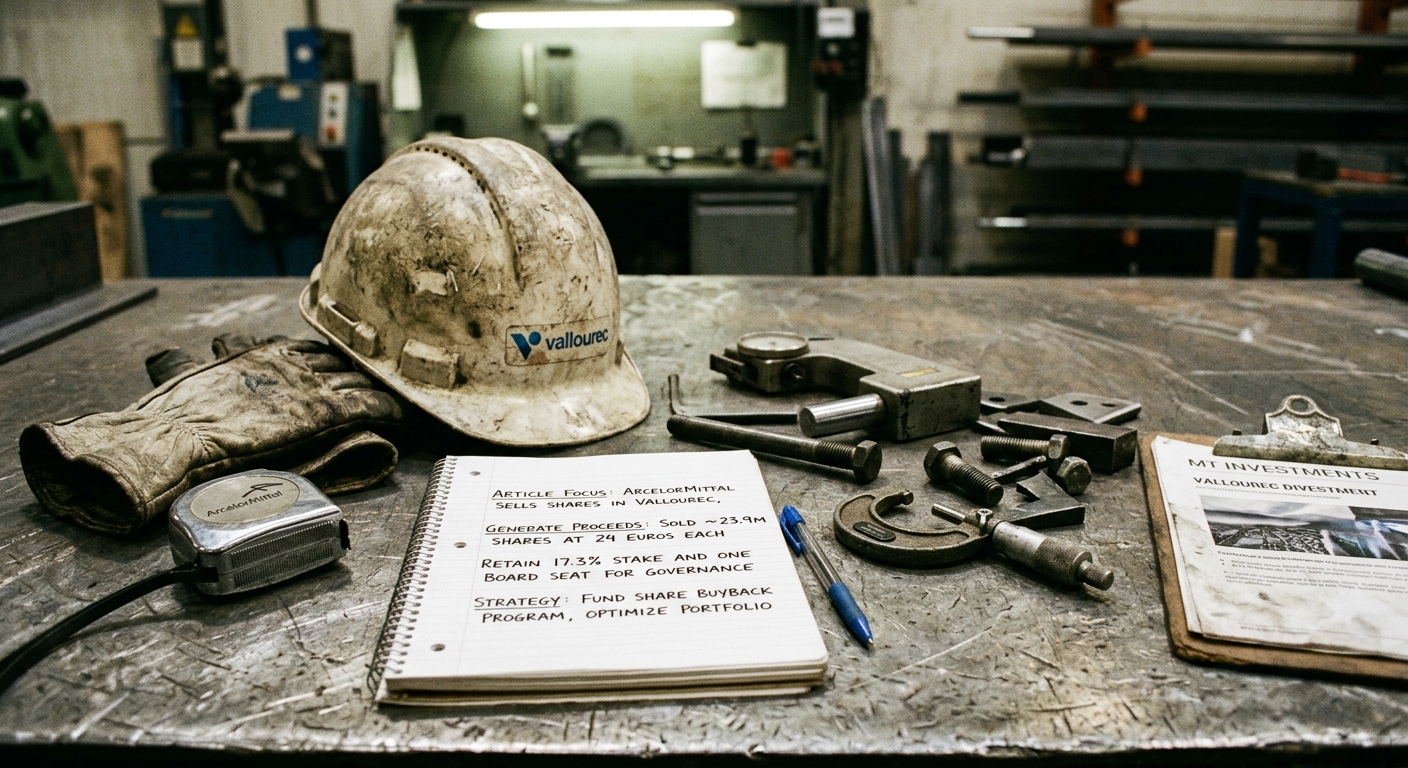
ArcelorMittal Sells Shares in Vallourec to Fund Share Buyback While Retaining Board Influence
In a strategic move, ArcelorMittal (Ticker: UNDEFINED), a leading global steel and mining company, has successfully sold approximately 23.9 million shares of Vallourec at a price of 24 euros per share…

Agnico Eagle Mines Announces Positive Investment Decision for Hope Bay Project in Nunavut
Agnico Eagle Mines Limited (Ticker: UNDEFINED) announces a positive investment decision for its Hope Bay project, reflecting its commitment to economic development in Northern Canada. The company's re…
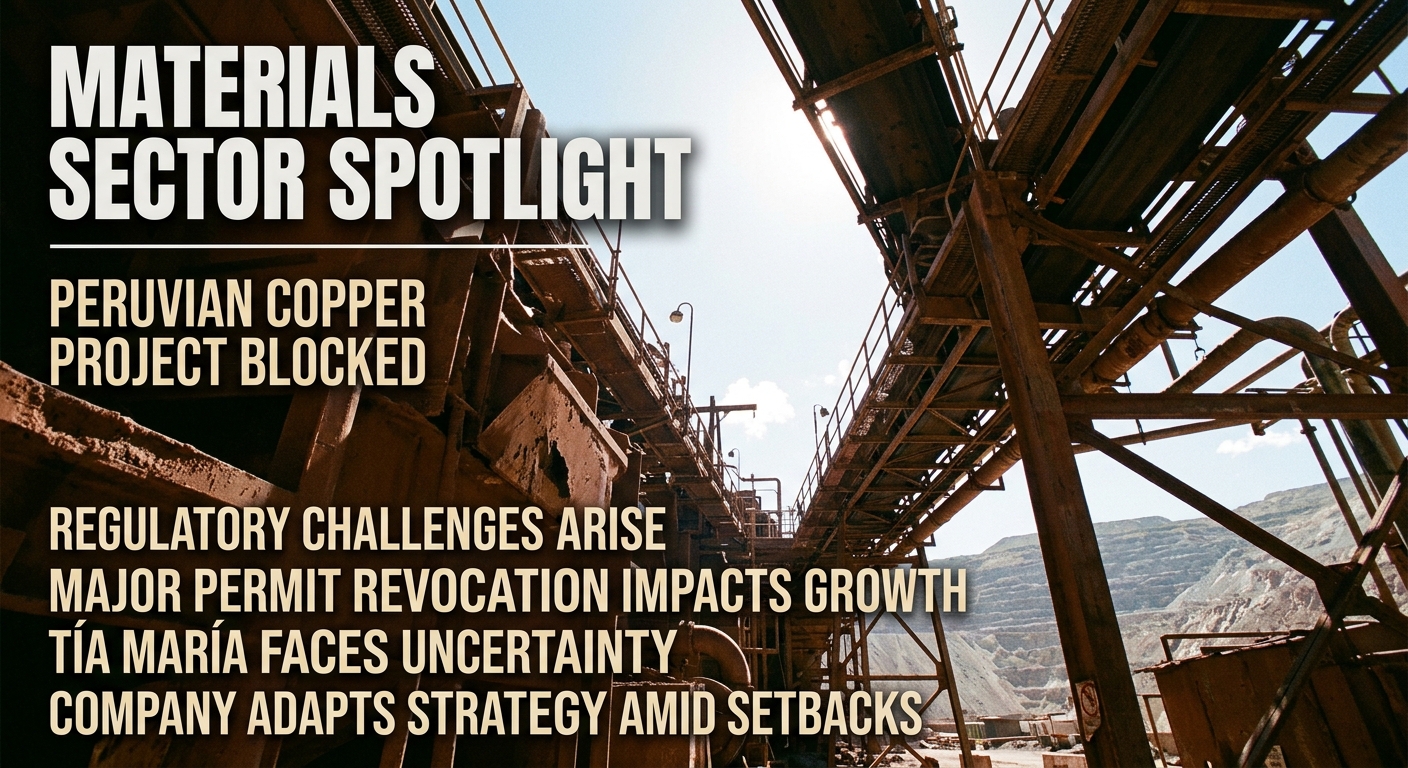
Southern Copper Faces Regulatory Challenges After Tía María Permit Revocation in Peru
Southern Copper Corporation (Ticker: SCCO) faces significant regulatory challenges following the recent revocation of its construction permit for the Tía María project in Peru. This decision marks a c…