
Geopolitical Tensions Disrupt Global Shipping Routes and Drive Freight Rates to Historic Highs
- International Seaways faces increased shipping costs and challenges due to the closure of the Strait of Hormuz amid geopolitical tensions.
- The suspension of vessel crossings impacts global container trade and energy prices, affecting International Seaways' logistics.
- Rising freight rates and cancellation of war risk insurance create urgency for International Seaways to adjust transit plans.
Navigating Turbulent Waters: The Impact of Geopolitical Tensions on Global Shipping
The ongoing conflict in the Middle East has profound repercussions for the shipping industry, particularly due to the closure of critical maritime routes. Danish shipping giant Maersk has recently suspended all vessel crossings through the Strait of Hormuz, a crucial corridor that accommodates an average of 20.9 million barrels of oil per day—accounting for approximately 20% of global petroleum consumption. This strategic chokepoint has garnered attention amid escalating military operations by the U.S. and Israel against Iran, leading to concerns over potential service disruptions and increased shipping costs. As Maersk redirects its Middle Eastern services around the Cape of Good Hope to circumvent the conflict, industry analysts highlight the escalating complexity of maritime logistics amid persistent geopolitical tensions.
The Strait of Hormuz plays a vital role not only in oil transportation but also in global container trade. Major transshipment hubs such as Jebel Ali and Khor Fakkan rely on this bustling route for effective international shipping logistics. Disruptions in this corridor, even if temporary, can significantly impact energy prices and trigger delays across various sectors globally. The situation is compounded by cancellations of war risk insurance for vessels operating in the region, which creates hesitance among shipowners and may lead to a decrease in available shipping capacity. Consequently, the market is witnessing higher freight rates amid fears of further destabilization in shipping routes.
As the maritime industry grapples with increasing geopolitical risks, it also faces new challenges in managing changing shipping landscapes. According to Peter Sand, chief analyst at Xeneta, the industry is experiencing fatigue from constantly revising contingency plans in response to ongoing crises. The shifting focus towards alternative routes and the potential for elevated shipping rates underscore the fragility of maritime trade amid conflict. Observers anticipate that these developments will have long-term implications for shipping strategies and logistics as companies navigate the uncertain geopolitical landscape.
In recent developments, the freight rates for Very Large Crude Carriers (VLCCs) have soared to unprecedented levels, with an all-time high of $423,736 per day recorded amid heightened conflict. The Iranian Revolutionary Guards’ threats against vessels in the Strait increase the urgency for shipowners and charterers to reconsider transit plans. While oil production remains stable for now, the fear of disruption due to heightened military tensions and the cancellation of insurance coverage poses significant challenges for the shipping community, which is already under pressure to adapt. Overall, the implications of these geopolitical tensions are profound, marking a pivotal moment for the international shipping industry.
Related Cashu News
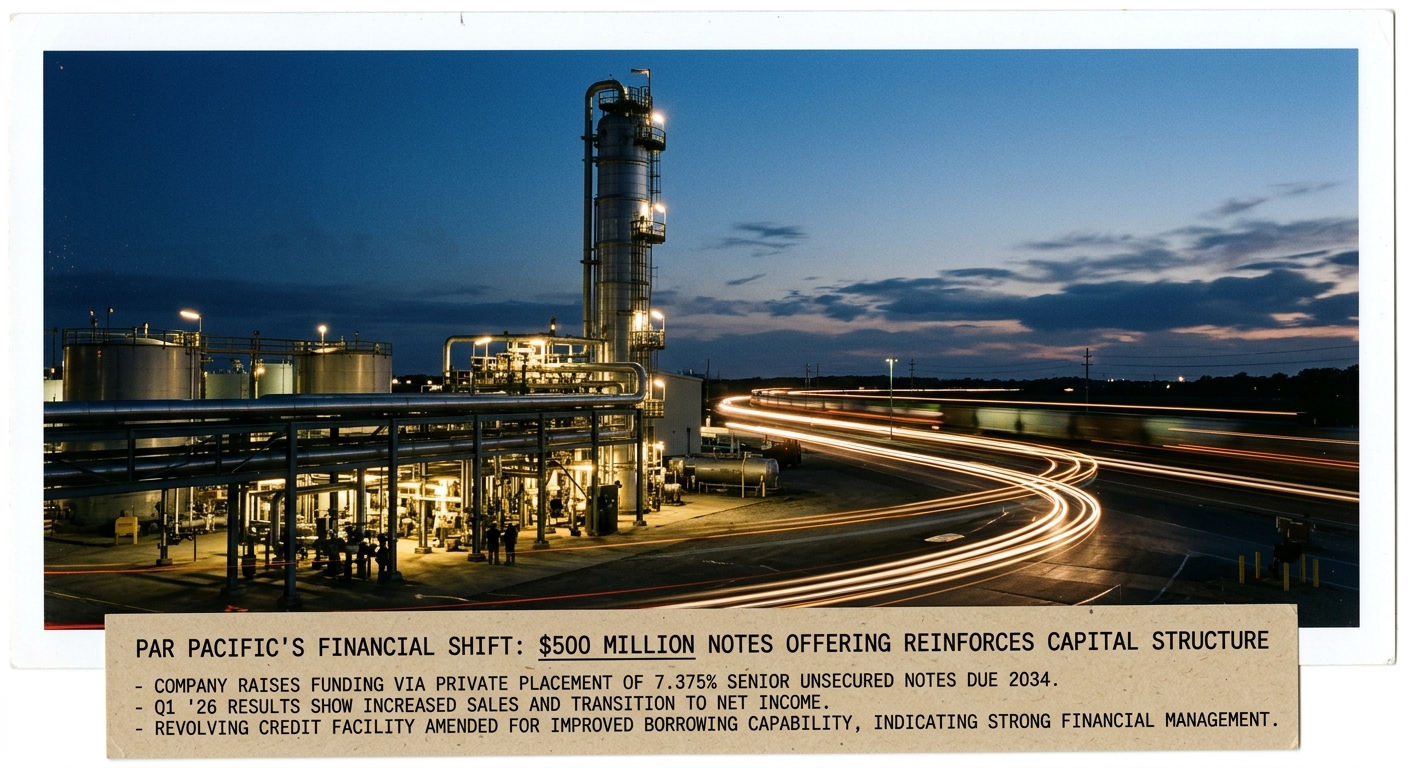
Par Pacific Strengthens Capital Structure with $500 Million Notes Offering and Improved Financial Performance
Par Pacific Holdings, Inc. has recently strengthened its capital structure by completing a $500 million private placement of 7.375% senior unsecured notes, which are set to mature on June 1, 2034. Thi…
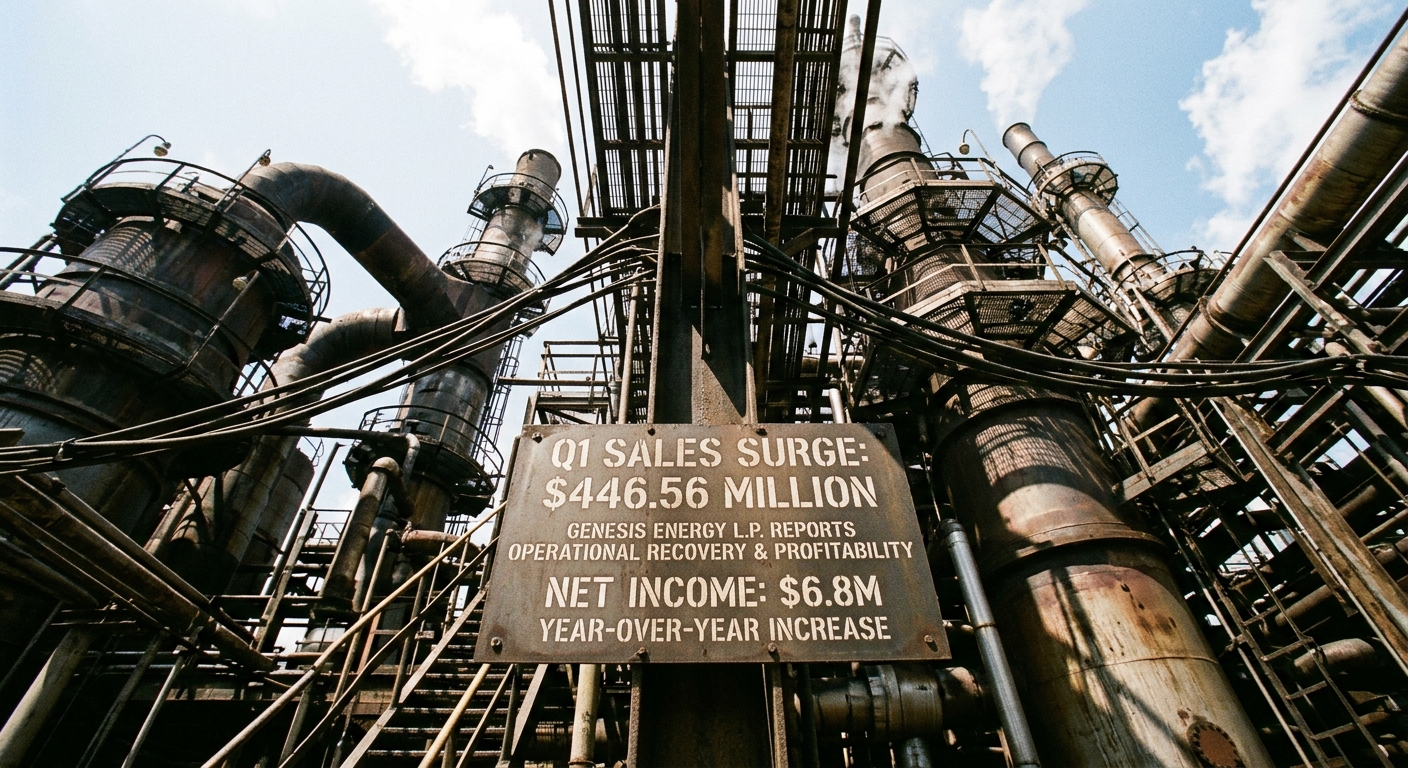
Genesis Energy L.P. Reports Q1 Profitability Surge with $446.56 Million in Sales
Genesis Energy L.P. (Ticker: UNDEFINED) announces its first-quarter financial results, signaling a resurgence in profitability and operational performance. The company reports total sales of $446.56 m…

Nordic American Tankers Finalizes New Leasing Contracts to Strengthen Cash Position and Dividends.
Nordic American Tankers (Ticker: NAT) has recently marked a significant milestone by finalizing multiple new vessel leasing contracts in a favorable tanker market. This strategic move is aimed at rein…
Marine Petroleum Trust Announces Quarterly Distribution Amid Fluctuating Energy Sector Conditions
Marine Petroleum Trust (Ticker: MARPS) announces a quarterly cash distribution of $0.096470 per unit, reflecting a decrease compared to prior distributions. This development highlights the trust's ong…