
Geopolitical Tensions Disrupt Oil Supply Chains, Impacting Prices and Chevron's Strategies
- Chevron is affected by recent geopolitical tensions in the Middle East, disrupting oil supply and raising market uncertainties.
- Increased oil prices due to conflict put pressure on Chevron’s operational costs and influence retail prices domestically.
- Chevron must adapt its strategies in response to ongoing regional unrest and the potential for fluctuating oil prices.
Geopolitical Tensions Impacting Oil Supply Chains
Recent developments in the Middle East, primarily the turmoil in Iraq, significantly disrupt global oil supply chains, casting uncertainty over energy markets where Chevron operates. A foreign tanker carrying Iraqi fuel oil experiences extensive damage from a fire near Basra amid increased hostilities, leading to heightened apprehension among stakeholders in the oil sector. Reports indicate that these incidents involve unidentified attacks targeting multiple tankers, contributing to escalating tensions that underscore the fragile security situation in the region. This disruption coincides with Iranian missile and drone strikes affecting neighboring countries and critical infrastructure, raising alarms regarding the potential ripple effects throughout the energy market.
In the wake of these developments, U.S. President Donald Trump seeks international cooperation to secure the strategic Strait of Hormuz, vital for global oil transit. However, his calls for a more robust coalition face mixed reactions from allies, resulting in skepticism surrounding the effectiveness of any potential security measures. As geopolitical tensions linger, oil prices respond with volatility; recent data shows West Texas Intermediate crude futures increase to approximately $95.34 per barrel. Analysts warn that continued conflict, particularly involving Iran's influence, could see prices climb further, potentially reaching $200 per barrel—an alarming prospect for Chevron and other oil market participants who closely monitor supply-demand dynamics amid rising geopolitical unrest.
Chevron, a key player in the global oil industry, directly reacts to these shifts in supply and pricing due to its significant role in refining and distribution. Increased oil prices translate not only to higher costs at the pump but also put pressure on operational expenses across the industry. As diesel prices skyrocket to $5.04 per gallon, the implications for transportation and logistics in the U.S. economy become stark. Companies within the supply chain adjust their fuel surcharges in response, impacting retail prices and potentially affecting consumer behavior. In this highly interconnected environment, Chevron’s responsiveness to geopolitical instability is crucial for maintaining its market position and operational integrity.
In light of these challenges, Chevron's operational strategies must adapt to an environment defined by unpredictability and rising costs, shaped by developments in the Middle East. As regional conflicts persist, oil market stakeholders must keep a vigilant eye on evolving geopolitical conditions that pose significant risks to stability and pricing within the energy sector.
The ongoing conflict in the region highlights the need for energy companies, including Chevron, to recalibrate strategies that account for fluctuating oil prices and heightened geopolitical risks. Furthermore, the escalating unrest, compounded by military actions and domestic energy policies, has broad implications for supply chains and economic stability, emphasizing the importance of resilience in the face of adversities.
Related Cashu News

Kimbell Royalty Partners LP Acquires $147 Million in Oil and Gas Interests from Mesa Royalties
Kimbell Royalty Partners LP (Ticker: UNDEFINED) announces a major acquisition that significantly enhances its position in the oil and gas mineral and royalty sector. The deal, valued at approximately…
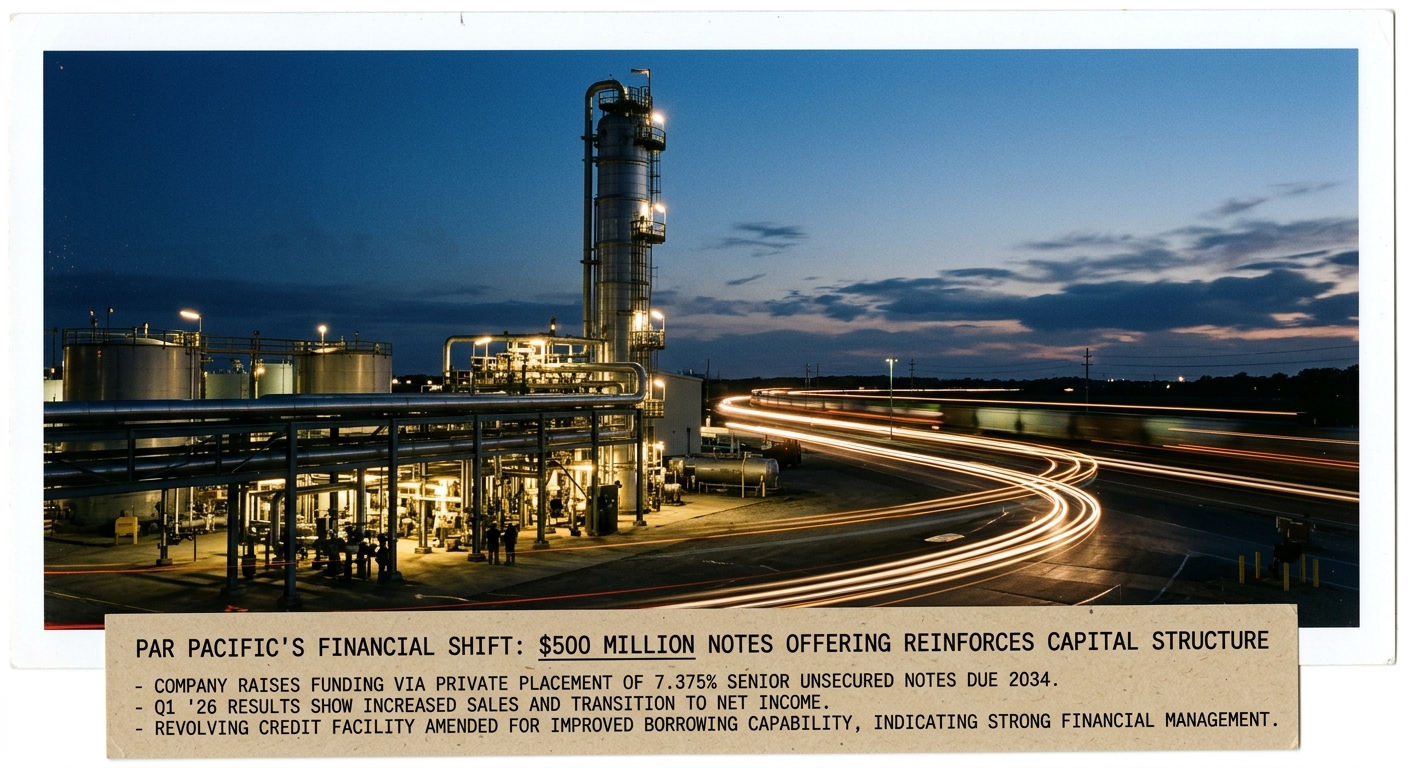
Par Pacific Strengthens Capital Structure with $500 Million Notes Offering and Improved Financial Performance
Par Pacific Holdings, Inc. has recently strengthened its capital structure by completing a $500 million private placement of 7.375% senior unsecured notes, which are set to mature on June 1, 2034. Thi…
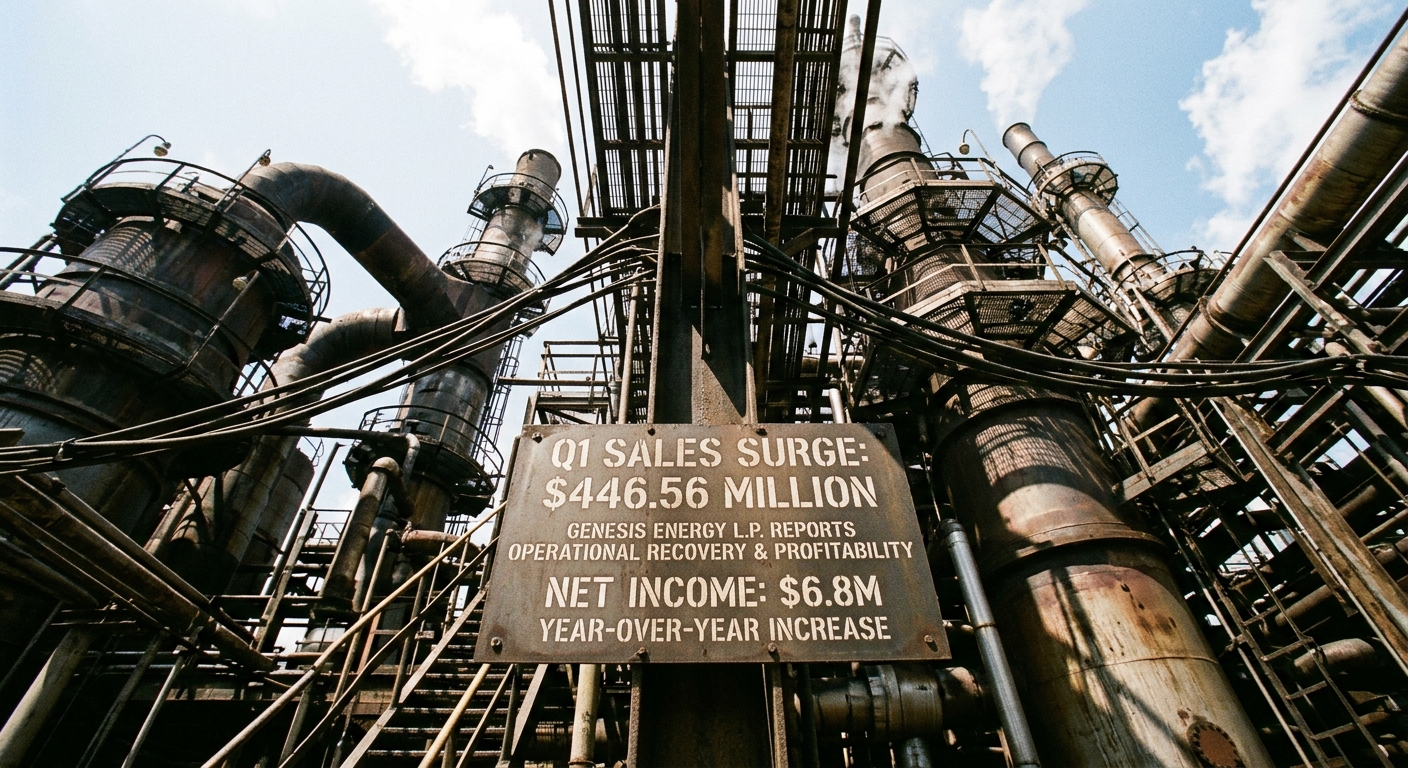
Genesis Energy L.P. Reports Q1 Profitability Surge with $446.56 Million in Sales
Genesis Energy L.P. (Ticker: UNDEFINED) announces its first-quarter financial results, signaling a resurgence in profitability and operational performance. The company reports total sales of $446.56 m…
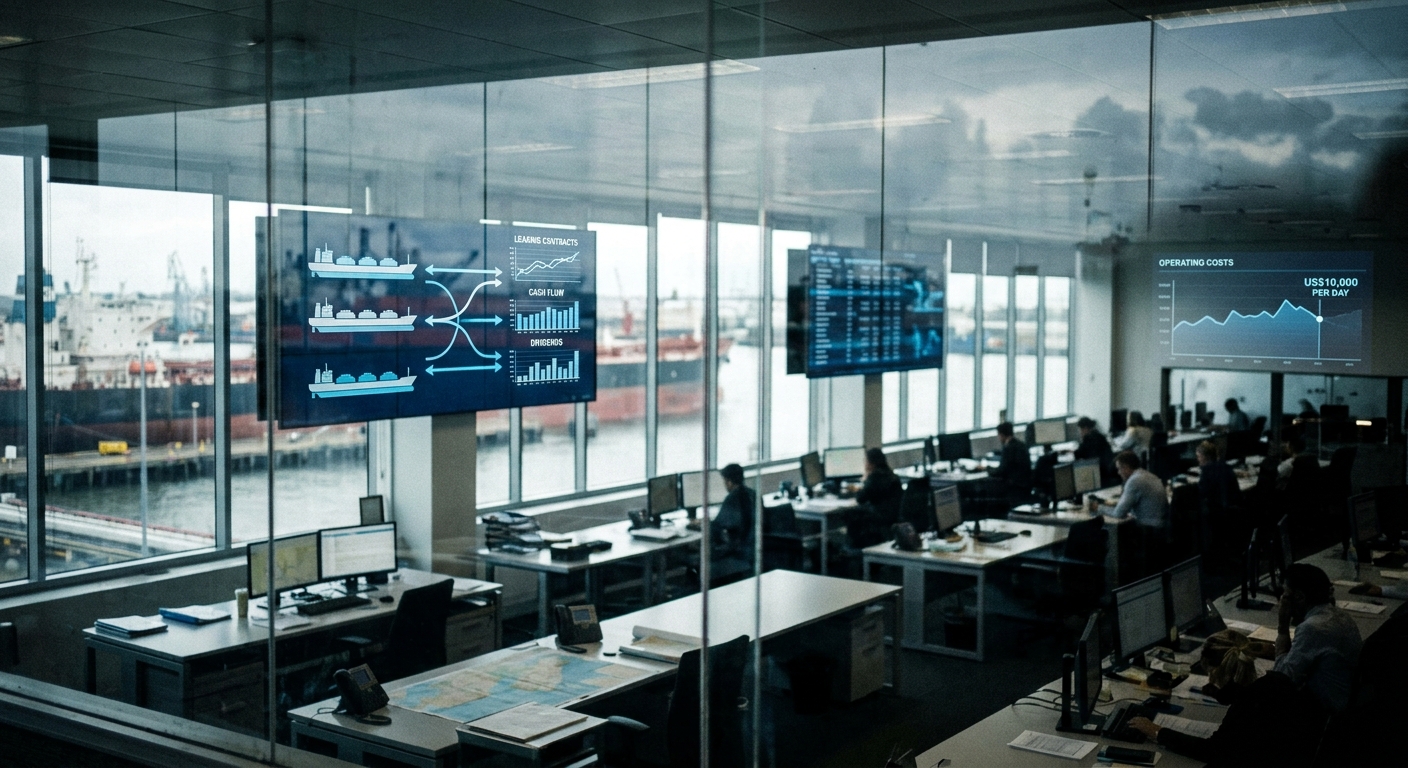
Nordic American Tankers Finalizes New Leasing Contracts to Strengthen Cash Position and Dividends.
Nordic American Tankers (Ticker: NAT) has recently marked a significant milestone by finalizing multiple new vessel leasing contracts in a favorable tanker market. This strategic move is aimed at rein…