
Geopolitical Tensions Force Shipping Sector to Rethink Strategies Amidst Disruptions
- Shipping companies like International Seaways must adapt to altered trade routes caused by geopolitical tensions in the Middle East.
- The conflict impacts logistics, requiring robust risk management strategies amid rising operational costs and potential shipping delays.
- Sustained regional conflict may necessitate a significant overhaul of logistics frameworks for the maritime industry.
Geopolitical Tensions Disrupt Maritime Trade Routes
The ongoing conflict in the Middle East significantly impacts global shipping logistics, prompting Danish shipping titan Maersk to halt all vessel crossings through the crucial Strait of Hormuz. This vital maritime corridor is instrumental in the transportation of oil, with an average of 20.9 million barrels traversing its waters daily, accounting for about 20% of worldwide petroleum consumption. The decision follows heightened tensions stemming from U.S. and Israeli strikes on Iran. As a result, Maersk warns of potential delays for services destined for Arabian Gulf ports, highlighting the vulnerability of maritime transport in politically unstable regions.
In response to these disruptions, Maersk implements strategic changes by rerouting services that connect the Middle East and India to both the Mediterranean and the U.S. East Coast around the Cape of Good Hope. This alternate route could prolong shipping times and elevate operational costs, as it requires longer voyages compared to traditional pathways like the Suez Canal. Industry experts, including Peter Sand, chief analyst at Xeneta, emphasize the overarching impact of this geopolitical turmoil on container shipping rates. He notes that the industry faces a challenge balancing rising costs against the backdrop of constant adjustments to contingency plans.
The ramifications of these developments extend beyond immediate shipping rates; they pose a threat to the stability of global energy prices and the efficacy of international trade networks. The Strait of Hormuz not only serves as a critical oil passage but also influences container shipping, with transshipment hubs like Jebel Ali and Khor Fakkan providing essential services to interconnect various trade routes. Even temporary interruptions in oil shipments through this corridor can precipitate significant supply chain delays across diverse sectors, underlining the interconnected nature of modern maritime commerce.
As these geopolitical tensions unfold, shipping companies—including International Seaways—must navigate the complexities of altered trade routes and rising costs, emphasizing the need for robust risk management strategies in an increasingly unpredictable global arena. Emerging patterns suggest that the maritime industry may require a significant overhaul of logistics frameworks to adapt to the ramifications of sustained conflict in the region.
The shipping sector, already strained by recent global events, now faces a critical juncture as geopolitical uncertainties escalate. This scenario not only challenges the efficiency of shipping operations but also necessitates a reevaluation of existing maritime strategies to accommodate changing dynamics in cargo transport and energy supply chains.
Related Cashu News

Kimbell Royalty Partners LP Acquires $147 Million in Oil and Gas Interests from Mesa Royalties
Kimbell Royalty Partners LP (Ticker: UNDEFINED) announces a major acquisition that significantly enhances its position in the oil and gas mineral and royalty sector. The deal, valued at approximately…
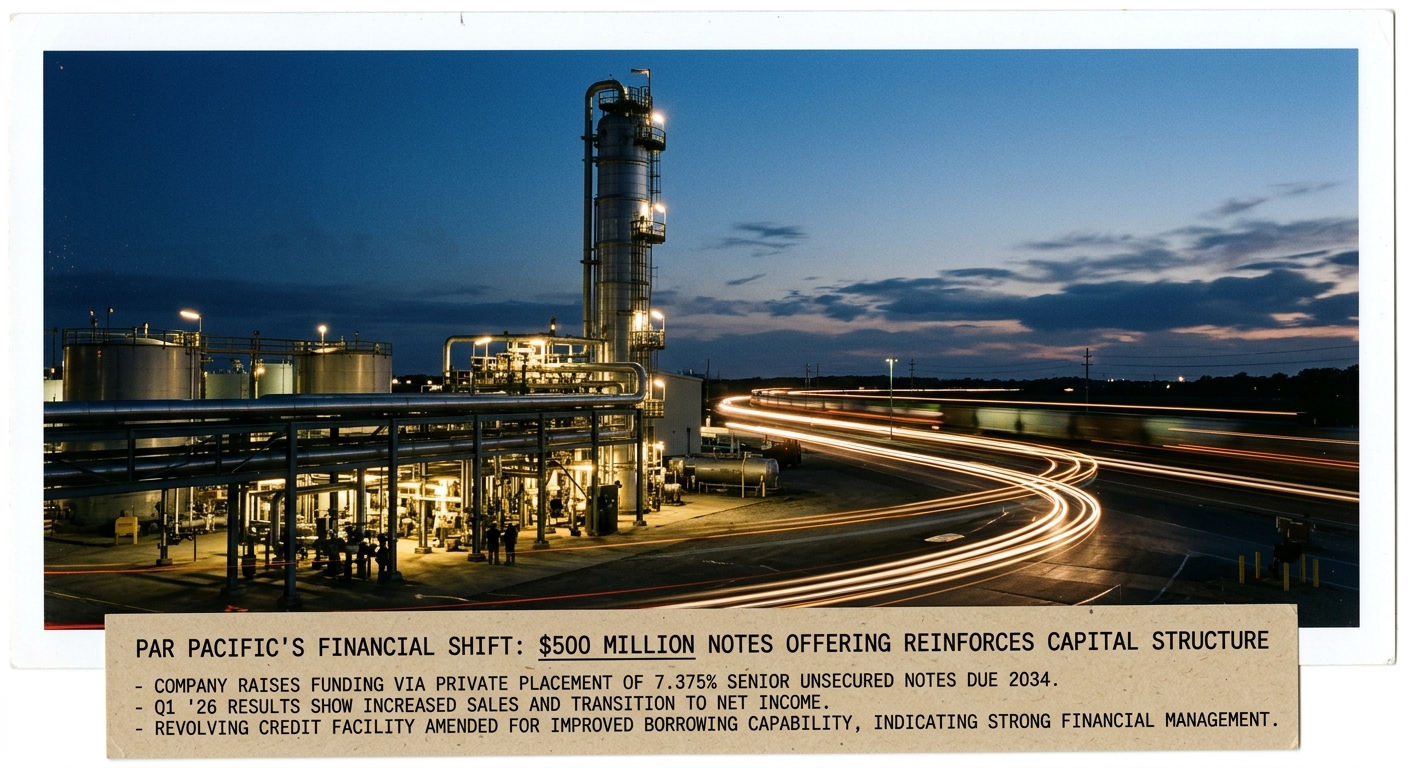
Par Pacific Strengthens Capital Structure with $500 Million Notes Offering and Improved Financial Performance
Par Pacific Holdings, Inc. has recently strengthened its capital structure by completing a $500 million private placement of 7.375% senior unsecured notes, which are set to mature on June 1, 2034. Thi…
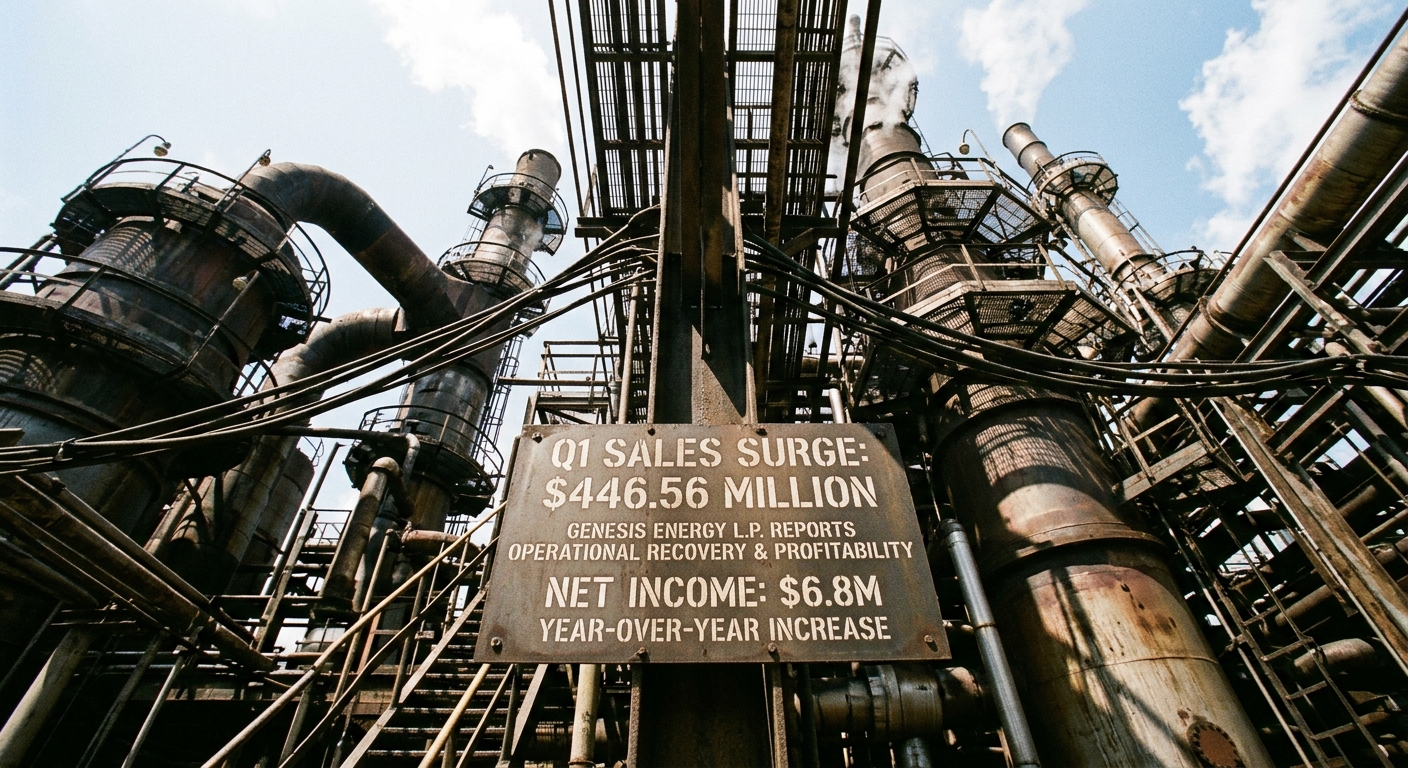
Genesis Energy L.P. Reports Q1 Profitability Surge with $446.56 Million in Sales
Genesis Energy L.P. (Ticker: UNDEFINED) announces its first-quarter financial results, signaling a resurgence in profitability and operational performance. The company reports total sales of $446.56 m…
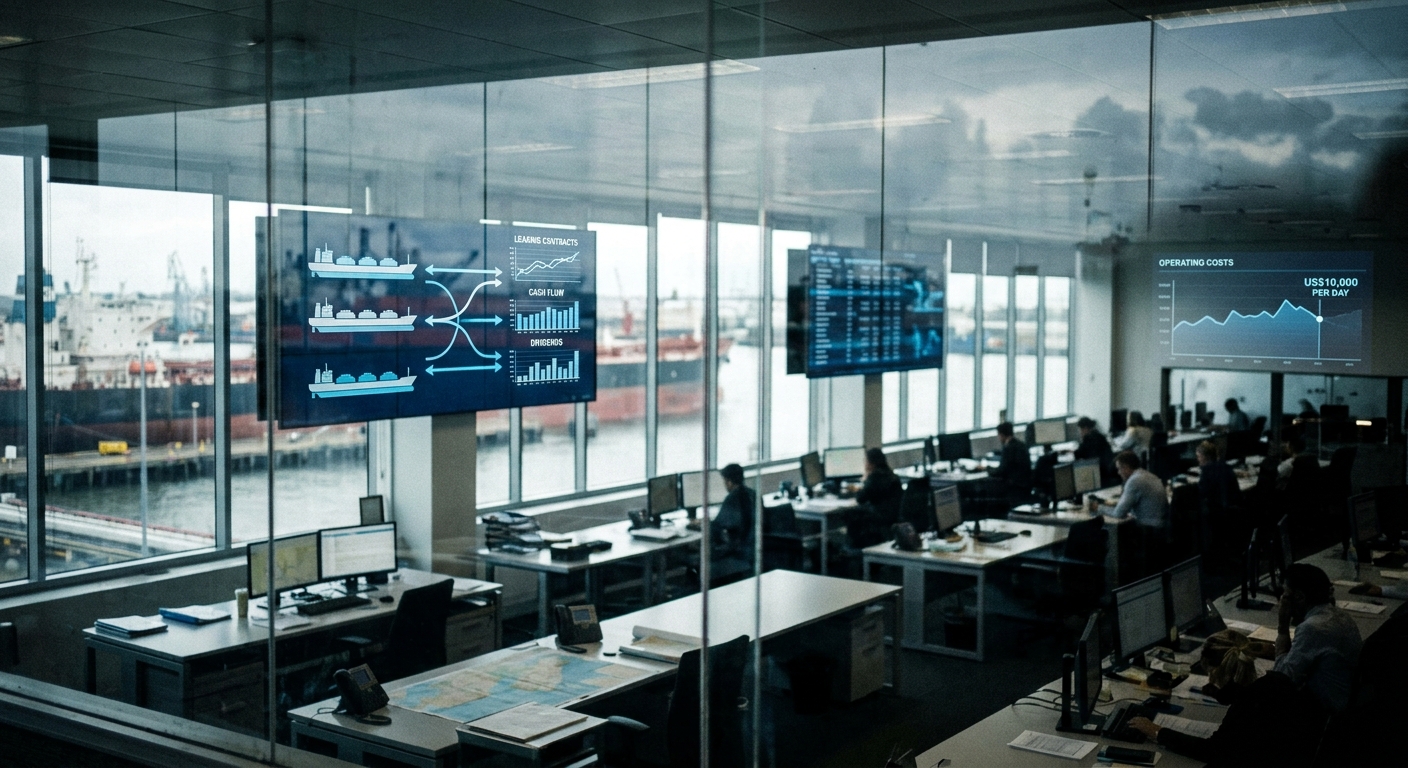
Nordic American Tankers Finalizes New Leasing Contracts to Strengthen Cash Position and Dividends.
Nordic American Tankers (Ticker: NAT) has recently marked a significant milestone by finalizing multiple new vessel leasing contracts in a favorable tanker market. This strategic move is aimed at rein…