
Geopolitical Tensions Impacting Energy Security in East Asia Amid Japan-Taiwan Relations
- Japan's evolving defense posture may impact regional energy security, affecting countries reliant on U.S. energy imports, like Taiwan.
- Taiwan plans to increase gas imports from the U.S. to ensure its energy supply amidst regional tensions.
- Japan's energy policies may need adjustment due to heightened geopolitical risks from China's assertive posture regarding Taiwan.
Geopolitical Implications for Energy Security in East Asia
In the wake of Japan's Prime Minister Sanae Takaichi's provocative comments regarding Taiwan during a recent debate, the geopolitical landscape surrounding energy security in East Asia becomes increasingly precarious. Takaichi's suggestion that Japan's Self-Defense Forces would intervene in the event of a Chinese military attempt to seize Taiwan raises serious questions about regional alliances and the broader implications for energy supply chains. The remarks, which were met with an immediate backlash from China—evidenced by a halt in seafood imports from Japan and renewed travel advisories—underscore the fragility of diplomatic relations in the region, particularly regarding energy dependencies.
Takaichi's statements may also indicate a shift in Japan’s strategic posture under its 2015 constitutional reinterpretation, which allows the country to engage in collective self-defense. This shift could have significant implications for energy security, especially for nations heavily reliant on energy imports from the U.S. and other sources. As Taiwan heavily depends on imported energy—projected to be approximately 95.8% in 2024—its security and access to reliable energy supplies are increasingly intertwined with Japan’s ability to act in collective defense scenarios. The underlying tensions highlight the need for robust energy strategies that can withstand geopolitical uncertainties.
Moreover, Taiwan's President Lai Ching-te reacts to this complex situation by assuring that the island's energy supplies are secure for the near term, emphasizing plans to enhance gas imports from the U.S. Such measures are crucial as Taiwan grapples with the reality of its energy vulnerabilities in the face of potential regional conflicts. The intricate interplay of military readiness, diplomatic relations, and energy supply stability encapsulates the challenges faced by both Japan and Taiwan as they navigate a landscape marked by China’s assertive posturing regarding its claims over Taiwan.
In light of these developments, the interdependencies of energy security and geopolitical stability become evident. Japan's energy policies and strategic defense capabilities may require recalibration to address the heightened risks posed by regional tensions, particularly those involving China. The ongoing discourse around Taiwan's sovereignty and Japan's military posture therefore signals a critical moment for energy policy and security cooperation among allies in the region.
Amid these tensions, Taiwan’s commitment to secure its energy supplies, alongside Japan’s reassurances about remaining consistent in its policy, suggest a cautious but strategic approach to managing regional dynamics. As events unfold, the impact of these geopolitical actions on energy markets and international collaborations in East Asia will be a key area to monitor.
Related Cashu News
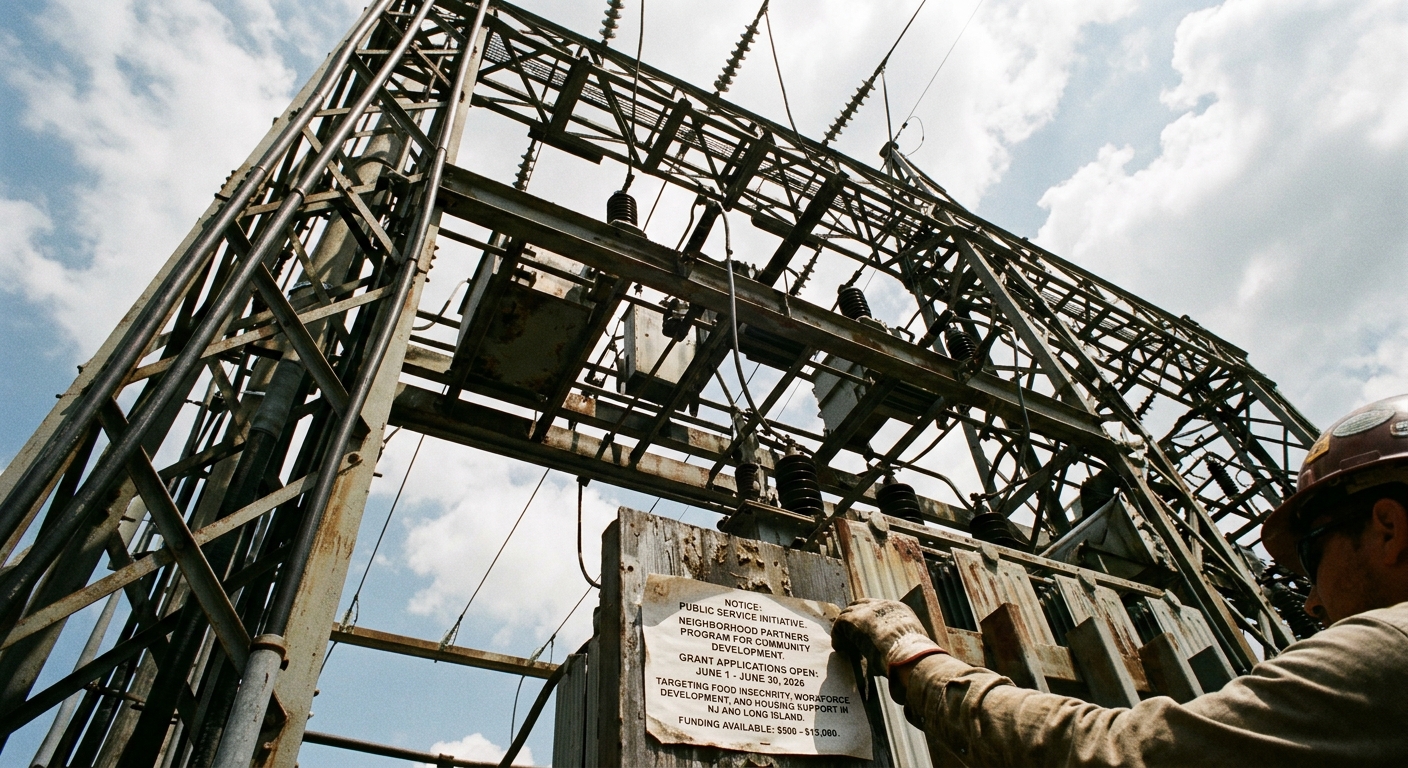
PSEG Launches $1.2 Million Neighborhood Partners Program for Community Development in 2026
Public Service Enterprise Group (PEG) pursues its commitment to community development through the 2026 Neighborhood Partners Program, which aims to support nonprofit organizations in New Jersey and Lo…
California Water Service Group Recognized in TIME's Most Impactful Companies for Sustainability Efforts
California Water Service Group (Ticker: CWT) has recently made a noteworthy stride in the utility industry by earning a spot on TIME magazine's inaugural list of the 'World’s Most Impactful Companies.…
Avista Launches Community Microgrid, Boosting Investor Interest and Energy Resilience in Spokane
Avista (Ticker: AVA) captures significant attention with the recent launch of a community-based microgrid at the Dr. Martin Luther King Jr. Family Outreach Center in Spokane. This innovative initiativ…
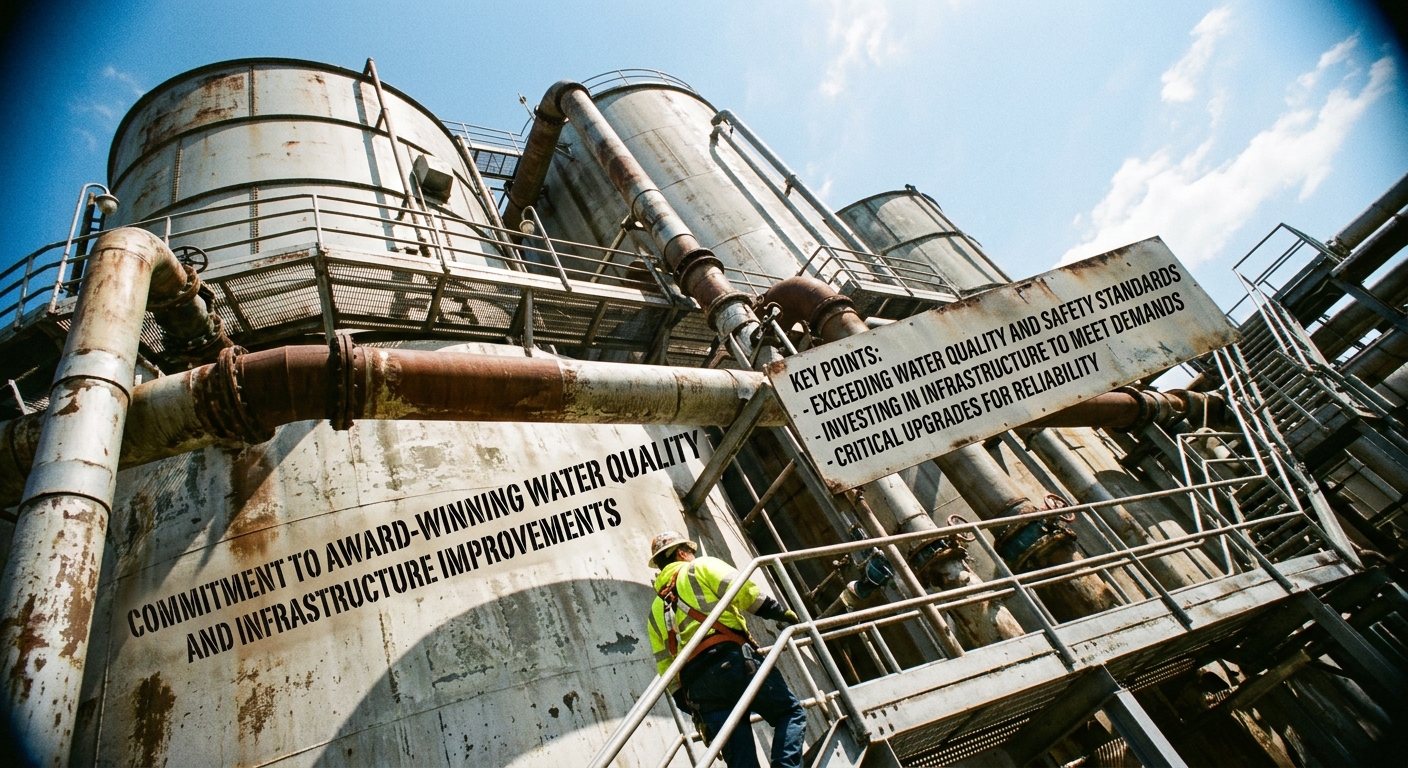
American Water Works Co's Commitment to Award-Winning Water Quality and Infrastructure Improvements
American Water Works Co (Ticker: UNDEFINED) focuses on enhancing water quality and infrastructure improvements across its subsidiaries, particularly Pennsylvania American Water, which recently achieve…