
Geopolitical Tensions in Persian Gulf Challenge Operational Strategies for International Seaways
- International Seaways faces operational challenges due to rising geopolitical tensions in the Persian Gulf impacting oil shipping routes.
- Kuwait's production cuts and increased Iranian threats complicate logistics for International Seaways and other tanker companies.
- The ongoing conflict raises oil prices and creates uncertainty for International Seaways, affecting long-term planning and investment.
Escalating Tensions in the Persian Gulf Pose Challenges for International Seaways
International Seaways faces significant operational challenges amid rising geopolitical tensions in the Persian Gulf. Kuwait, a key OPEC member and one of the world’s largest oil producers, has announced precautionary cuts to its oil production and refining activities due to heightened threats from Iran. This precarious situation is prompted by the escalation of conflicts that have recently disrupted tanker transit through the crucial Strait of Hormuz, a strategic waterway essential for global oil transport. As Kuwait produces around 2.6 million barrels per day, the decision to reduce output poses immediate risks to international shipping routes, including those employed by oil tanker fleets like International Seaways.
The implications of these developments reverberate throughout the maritime sector. With increasing fears of Iranian attacks, ship owners are opting to bypass the Strait of Hormuz, which accounts for approximately 20% of global oil consumption. Such deterrents complicate operations and logistics for tanker companies, potentially leading to increased transportation costs and delays in oil shipments. Furthermore, as Iraq decreases its output by 1.5 million barrels per day due to storage constraints, the risk of a wider regional crisis grows. Experts warn that if the U.S.-Iran conflict extends beyond three weeks, Gulf nations could face severe production halts, significantly impacting global oil supply chains.
This week's conflict has already seen oil prices soar, with Brent crude futures experiencing a marked increase of 35%. For International Seaways, this scenario creates a dual-edged sword. While rising oil costs could suggest higher freight rates in the short term, the instability undermines confidence in long-term planning and investment decisions within the maritime logistics sector. As regional tensions persist, the industry must navigate these turbulent waters, weighing the potential for increased revenue against the looming threat of operational disruptions.
In addition to Kuwait's production cuts, Qatar has also suspended its liquefied natural gas production in response to Iranian hostilities, further complicating global energy supplies. This decision underscores the fragile state of energy security in the region, as natural gas represents a vital component of the global energy mix. Companies like International Seaways must stay agile, monitoring geopolitical developments to ensure their operational strategies align with the fluctuating energy landscape and customer demands. As the situation evolves, the maritime industry braces for the broader ramifications of geopolitical tensions on trade routes and energy availability.
Related Cashu News

Kimbell Royalty Partners LP Acquires $147 Million in Oil and Gas Interests from Mesa Royalties
Kimbell Royalty Partners LP (Ticker: UNDEFINED) announces a major acquisition that significantly enhances its position in the oil and gas mineral and royalty sector. The deal, valued at approximately…
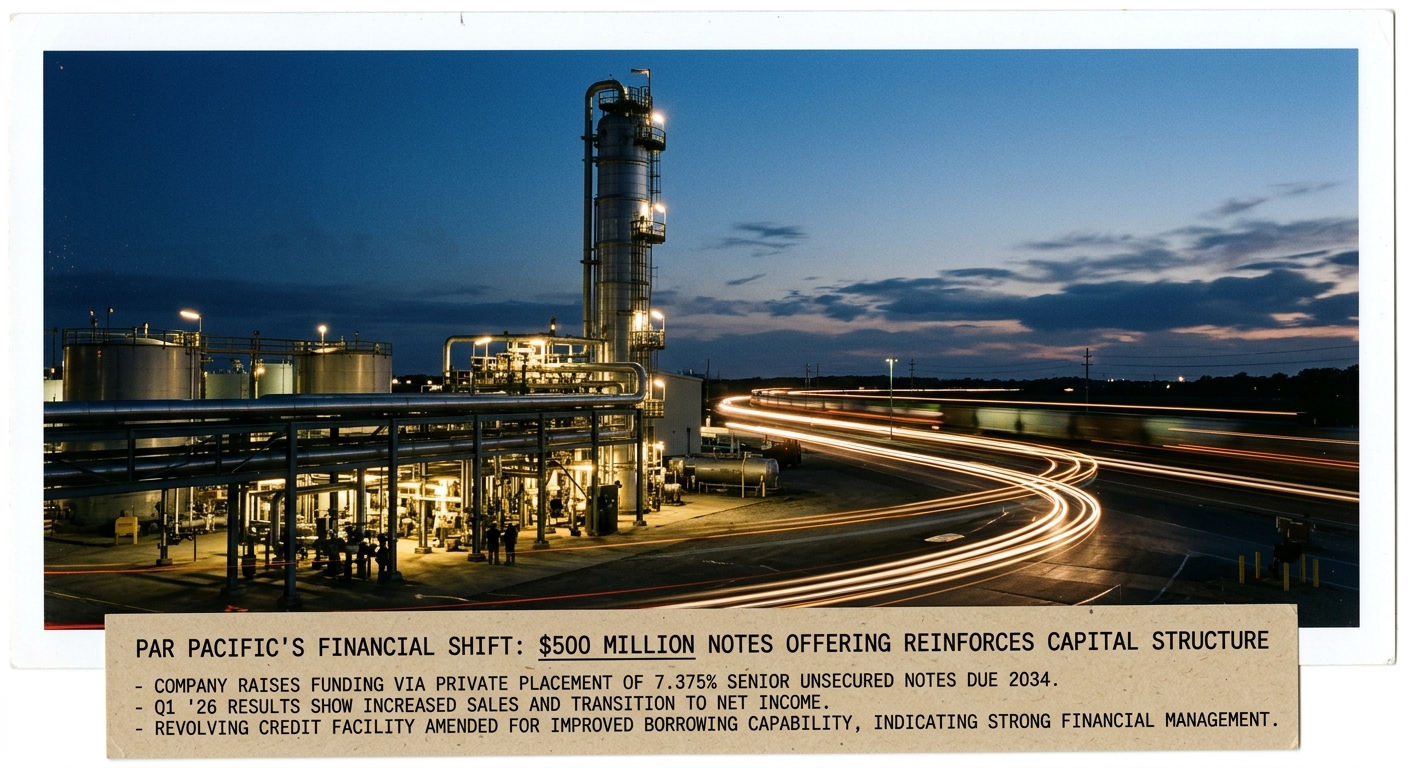
Par Pacific Strengthens Capital Structure with $500 Million Notes Offering and Improved Financial Performance
Par Pacific Holdings, Inc. has recently strengthened its capital structure by completing a $500 million private placement of 7.375% senior unsecured notes, which are set to mature on June 1, 2034. Thi…
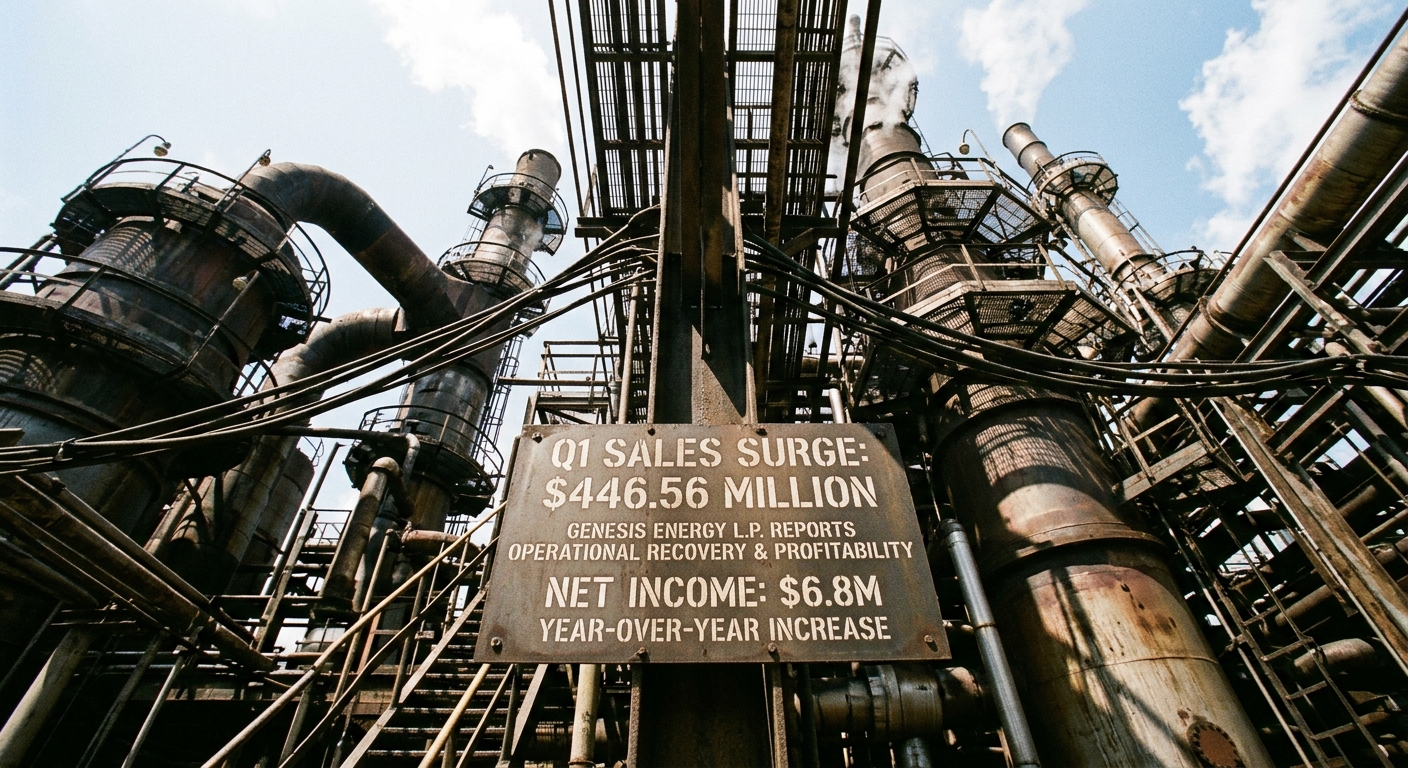
Genesis Energy L.P. Reports Q1 Profitability Surge with $446.56 Million in Sales
Genesis Energy L.P. (Ticker: UNDEFINED) announces its first-quarter financial results, signaling a resurgence in profitability and operational performance. The company reports total sales of $446.56 m…
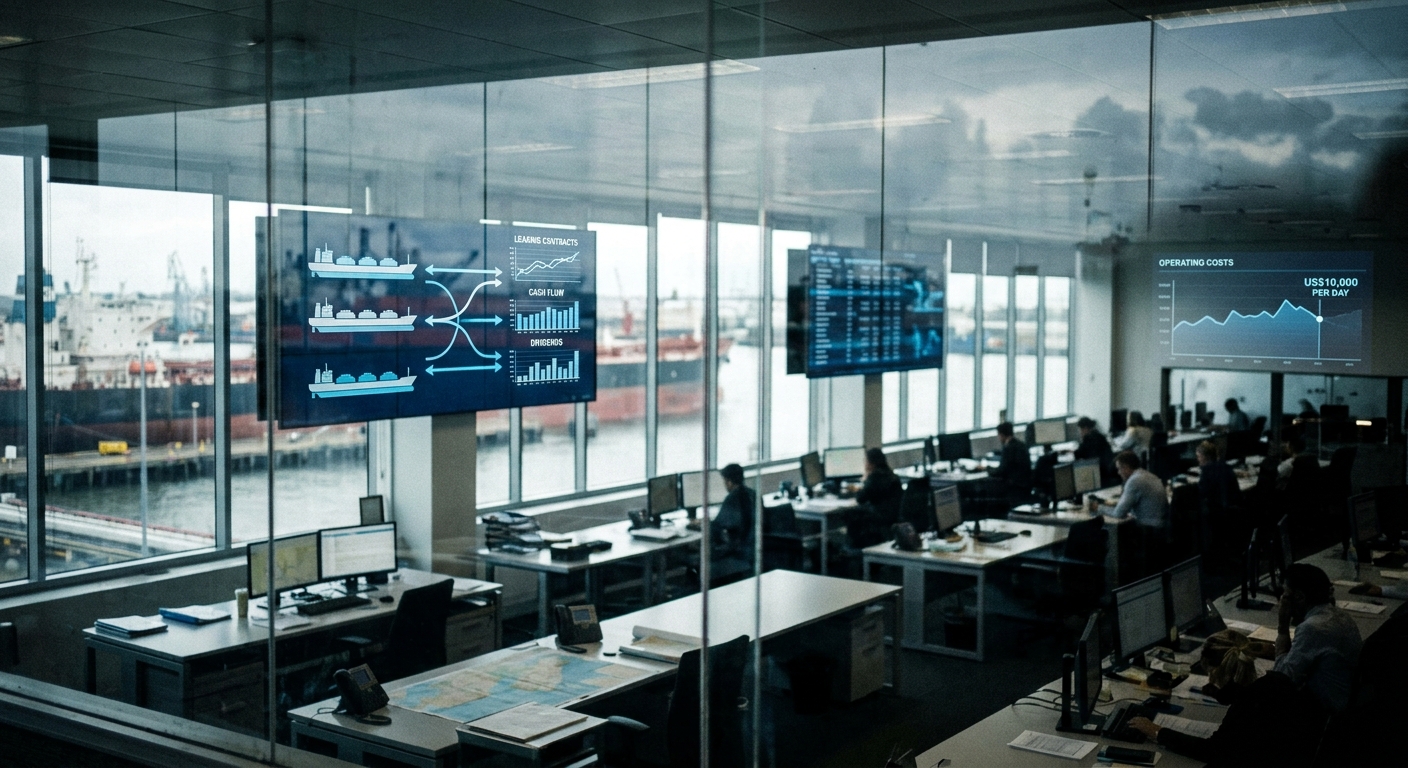
Nordic American Tankers Finalizes New Leasing Contracts to Strengthen Cash Position and Dividends.
Nordic American Tankers (Ticker: NAT) has recently marked a significant milestone by finalizing multiple new vessel leasing contracts in a favorable tanker market. This strategic move is aimed at rein…