
Geopolitical Tensions Threaten Fertilizer Supply Chains and U.S. Agricultural Stability
- CF Industries Holdings faces supply chain risks due to geopolitical tensions impacting fertilizer delivery for U.S. farmers.
- The urea fertilizer market is experiencing price surges, affecting costs and yields for essential crops.
- Ongoing trade disruptions may force increased fertilizer costs onto consumers, raising food prices further.
Risks to Fertilizer Supply Chain Amidst Geopolitical Tensions
The ongoing conflict between the U.S. and Iran poses significant risks to the global supply chain for fertilizers, affecting critical agricultural practices in the U.S. As over one-third of the world’s traded fertilizers transit through the Strait of Hormuz, disruptions in this vital waterway lead to supply shortages that threaten timely delivery for farmers gearing up for the planting season. The escalating U.S.-Iran tensions have already halted much of the commercial traffic through the Strait, raising alarm bells for agricultural stakeholders who heavily rely on timely fertilizer applications to maximize crop yields. Stephanie Roth, chief economist at Wolfe Research, indicates that these supply chain issues could inflate "food-at-home" inflation by approximately 2 percentage points, which could exacerbate the existing financial strain on U.S. consumers already facing heightened prices for food, housing, and energy.
The urea fertilizer market is particularly vulnerable in this geopolitical climate. Urea prices have surged from $475 to $680 per metric ton since the conflict escalated, demonstrating that the ripple effects of geopolitical instability can penetrate deeply into critical agricultural supply chains. This price spike occurs at a crucial moment; fertilizers need to be applied early in the crop cycle to boost the yields of essential crops such as corn, soybeans, wheat, and rice. If farmers are forced to reduce their application rates due to soaring costs or shortages, it risks not only lower crop yields but could also significantly increase agricultural production costs. The Fertilizer Institute reports a staggering 30% increase in urea fertilizer prices in just a short time, underscoring the urgency of the situation.
The U.S. agricultural sector, highly dependent on global fertilizer markets for roughly 20% of its needs, faces a precarious situation as global supply chain disruptions persist. Veronica Nigh, chief economist at the Fertilizer Institute, warns that if these trade disruptions continue, farmers and retailers will be compelled to pass along increased fertilizer costs to consumers, further raising food prices. The correlation between geopolitical events, supply chain vulnerabilities, and inflation paints a concerning picture for both agricultural producers and consumers, highlighting the urgent need for stability in key regions to safeguard food security and avoid exacerbating inflationary pressures.
In conclusion, the interconnectedness of the fertilizer supply chain and global politics demonstrates the fragile nature of food production systems. As the conflict endures, stakeholders must remain vigilant about its implications, particularly for the spring planting schedule, which is crucial for mitigating potential food shortages and economic repercussions. Addressing these risks will require strategic interventions at multiple levels, from policymakers to industry leaders, to ensure agricultural sustainability in the face of ongoing turbulence.
Related Cashu News
Wheaton Precious Metals Sets Benchmark for Sustainability in Mining Sector
Wheaton Precious Metals Corp. (Ticker: WPM) is setting the standard for sustainability in the mining sector as evidenced by its recent 2025 Sustainability Report. The report illuminates the company's…
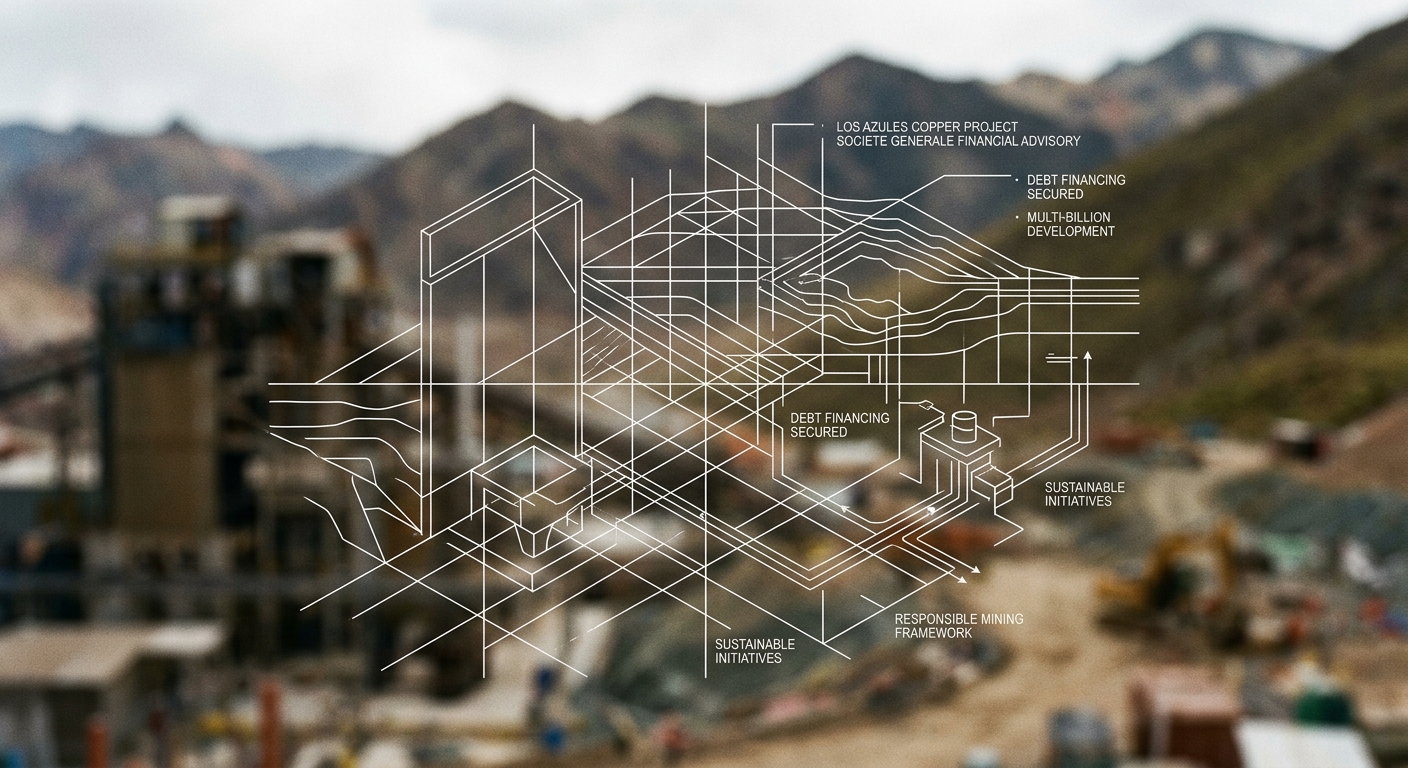
McEwen Mining Advances Los Azules Copper Project with Societe Generale's Financial Support
McEwen Mining has made a significant advancement in its copper mining ambitions by securing Societe Generale as the sole financial advisor for the Los Azules copper project in Argentina. With this str…
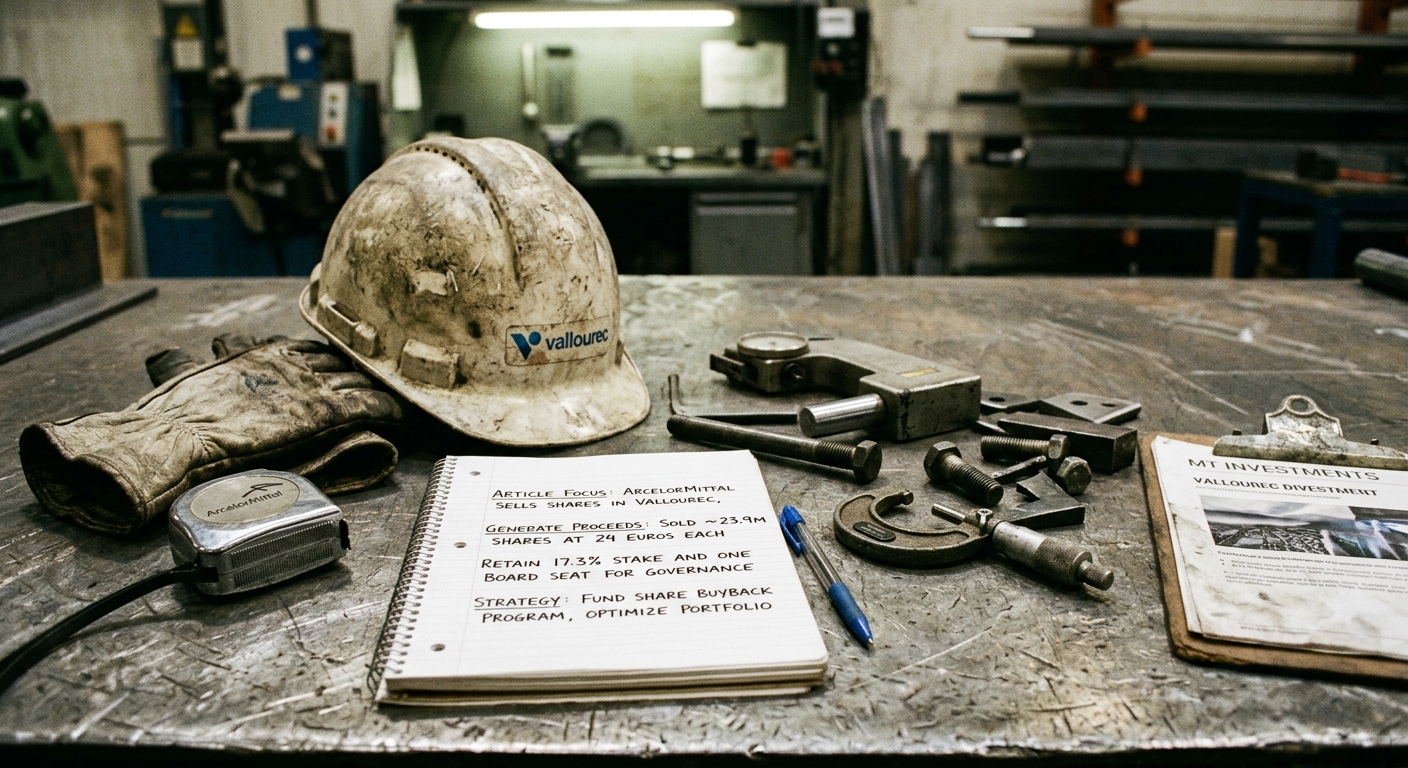
ArcelorMittal Sells Shares in Vallourec to Fund Share Buyback While Retaining Board Influence
In a strategic move, ArcelorMittal (Ticker: UNDEFINED), a leading global steel and mining company, has successfully sold approximately 23.9 million shares of Vallourec at a price of 24 euros per share…

Agnico Eagle Mines Announces Positive Investment Decision for Hope Bay Project in Nunavut
Agnico Eagle Mines Limited (Ticker: UNDEFINED) announces a positive investment decision for its Hope Bay project, reflecting its commitment to economic development in Northern Canada. The company's re…