
Global Energy Market Response to Iran Conflict Triggers Urgent Measures by Major Nations
- The Iran conflict disrupts global energy markets, prompting emergency measures from nations, including Freeport-McMoRan’s efforts to navigate challenges.
- Countries, including those involved with Freeport-McMoRan, are adapting to ensure energy security and manage prices amidst rising fuel costs.
- The geopolitical tensions underline the importance of energy efficiency and resource management, impacting Freeport-McMoRan's operational strategies.
Global Energy Market Disruption: A Response to the Iran Conflict
The ongoing war in Iran significantly disrupts global energy markets, triggering urgent responses from nations reliant on stable energy supplies. As countries grapple with the repercussions of intensified conflict, several nations implement emergency measures to address soaring fuel prices and potential shortages. As the conflict persists into its third week, the ripple effects are felt across Asia, compelling major energy-consuming nations like China, Japan, South Korea, and India to take drastic actions to secure energy resources for their populations.
China's National Development and Reform Commission (NDRC) has notably imposed a ban on refined fuel exports, which includes essential products such as gasoline, diesel, and aviation fuel. The decision aims to ensure sufficient domestic availability amidst rising demand and uncertainty about global supply chains. This export restriction underscores the precarious balance that energy-exporting nations must maintain while serving both their domestic needs and international markets. The implications of China's actions could reverberate across the Asia-Pacific region, affecting fuel accessibility and pricing dynamics as countries navigate the fallout from the conflict.
In a parallel response, Japan is considering a fuel price cap at 170 yen (approximately $1.07) per liter, with concerns that prices may escalate to 200 yen. To manage domestic energy costs, Japan has begun releasing crude oil from its reserves, a strategic move aimed at stabilizing prices and alleviating pressure on consumers. South Korea has similarly stepped in, with President Lee Jae Myung introducing a price ceiling on petroleum to counteract fluctuating fuel costs. Meanwhile, India prioritizes the supply of liquefied petroleum gas (LPG) to households over commercial use, reflecting the urgent need to safeguard household energy security for its vast population. These actions signify a broader acknowledgment of the interconnectedness of energy security and geopolitical tensions, forcing nations to adapt quickly to the evolving landscape.
As countries continue to implement inventive measures like work-from-home mandates and energy conservation tips, such as advising civil servants to use stairs instead of elevators, the global response to the Iran conflict evolves. These steps highlight a crucial pivot toward energy efficiency amidst uncertainty, revealing how geopolitical events reshape consumption patterns and supply chain logistics. The long-term effects on energy markets and consumption behaviors will likely extend far beyond the immediate impacts of the conflict, signaling significant changes in how nations manage their energy resources moving forward.
Related Cashu News
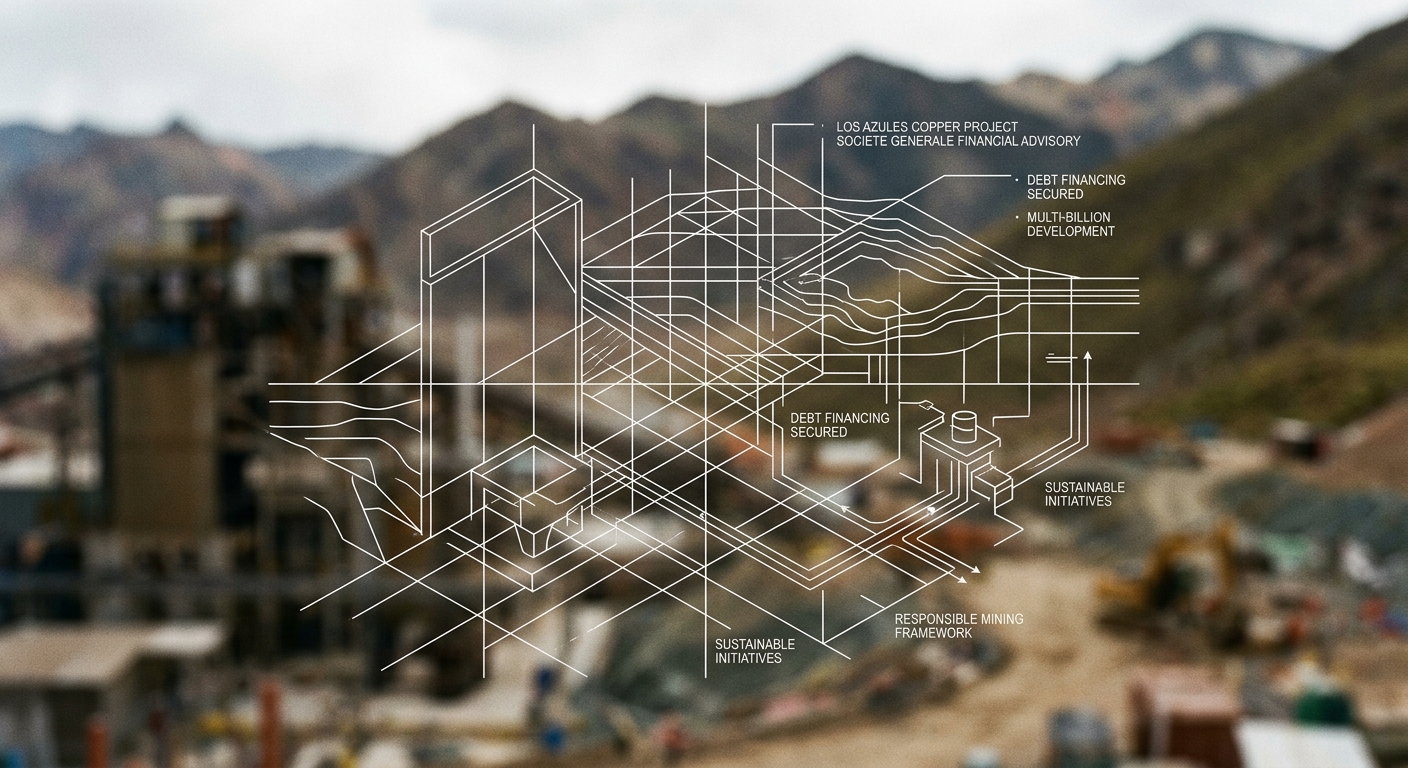
McEwen Mining Advances Los Azules Copper Project with Societe Generale's Financial Support
McEwen Mining has made a significant advancement in its copper mining ambitions by securing Societe Generale as the sole financial advisor for the Los Azules copper project in Argentina. With this str…
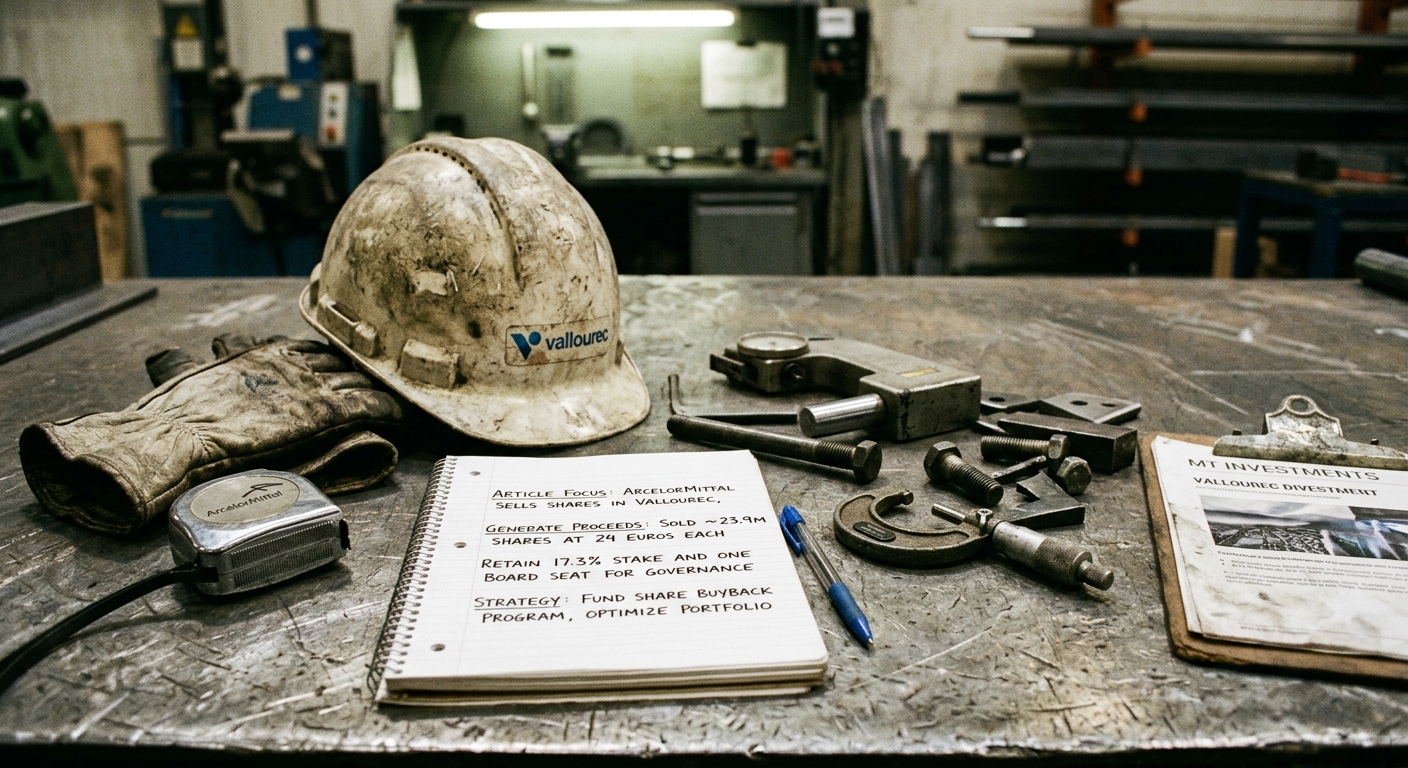
ArcelorMittal Sells Shares in Vallourec to Fund Share Buyback While Retaining Board Influence
In a strategic move, ArcelorMittal (Ticker: UNDEFINED), a leading global steel and mining company, has successfully sold approximately 23.9 million shares of Vallourec at a price of 24 euros per share…

Agnico Eagle Mines Announces Positive Investment Decision for Hope Bay Project in Nunavut
Agnico Eagle Mines Limited (Ticker: UNDEFINED) announces a positive investment decision for its Hope Bay project, reflecting its commitment to economic development in Northern Canada. The company's re…
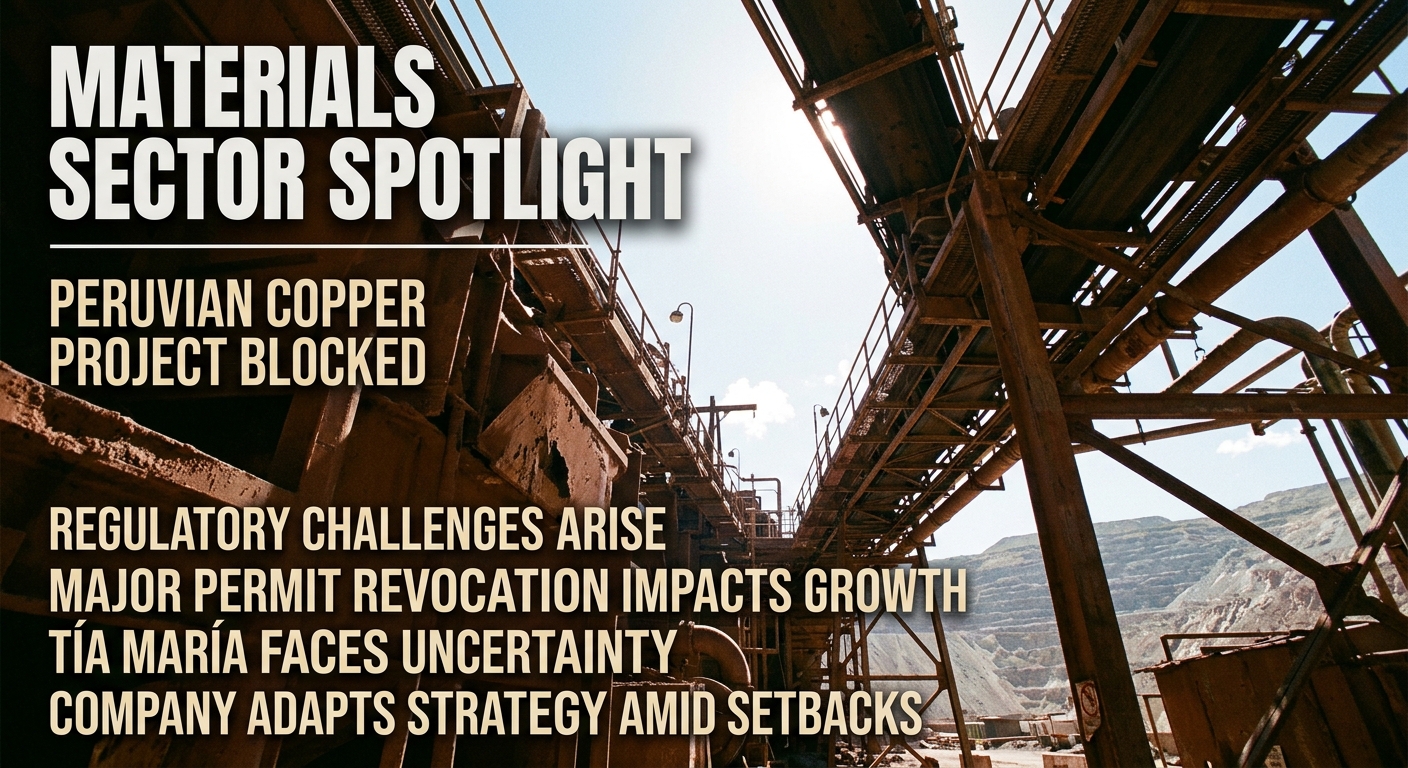
Southern Copper Faces Regulatory Challenges After Tía María Permit Revocation in Peru
Southern Copper Corporation (Ticker: SCCO) faces significant regulatory challenges following the recent revocation of its construction permit for the Tía María project in Peru. This decision marks a c…