
Global Oil Supply at Risk Amid U.S.-Iran Conflict; Price Surge Predicted
- Analysts warn that U.S.-Iran conflict could significantly disrupt global oil supply, impacting companies like Exxon Mobil.
- Crude oil prices may surge by $5 to $7, potentially complicating operations for Exxon Mobil and others.
- Sustained tensions may lead to reduced global oil supply, affecting Exxon Mobil and the broader economy.
Escalating Tensions Threaten Oil Supply Stability Amid U.S.-Iran Military Conflict
In the wake of a military escalation following U.S. airstrikes on Iran, the global oil landscape faces significant challenges. The conflict intensifies with President Donald Trump announcing "major combat operations," prompting fears of retaliatory measures from Iran. Analysts underscore the vital role Iran plays in the oil market, producing over 3 million barrels per day and controlling access to the Strait of Hormuz—a pivotal chokepoint for global oil transport. Approximately 31% of the world’s seaborne oil flows through this narrow strait, highlighting how any disruption could potentially spiral into a global economic crisis.
The immediate ramifications of this military action are dire. Market experts like Bob McNally from Rapidan Energy forecast a sharp increase in crude oil prices, predicting a surge by $5 to $7 per barrel as market trading resumes. With current Brent crude prices hovering around $72.48 per barrel, the potential for prices to breach $100 looms large if Iran engages in aggressive retaliation, particularly by targeting commercial vessels transiting the Strait of Hormuz. McNally warns that a prolonged confrontation could lead to severe stockpiling and disruptions, notably affecting Asian importers such as China and India, who rely heavily on oil shipments through this crucial maritime route.
Beyond immediate price fluctuations, the broader economic implications of the conflict could be catastrophic. Should access to the Strait be compromised, Gulf states may find their significant oil capacities stranded. This situation may force a reduction in global oil supply, prompting a ripple effect throughout economies worldwide, potentially resulting in a recession. Analysts express concerns that escalating tensions could lead to sustained volatility in oil prices, impacting not only energy markets but also global equity markets, further underscoring the interconnectedness of geopolitical stability and economic health.
In related developments, the dialogue around artificial intelligence (AI) continues to capture attention amid these geopolitical tensions. As investors navigate the implications of both military confrontations and technological advancements on market dynamics, the need for judicious risk management has never been more critical. Leading companies across sectors are bracing for the impact of potential disruptions stemming from the volatile oil market landscape, emphasizing the necessity for strategic planning in uncertain times.
Related Cashu News

Kimbell Royalty Partners LP Acquires $147 Million in Oil and Gas Interests from Mesa Royalties
Kimbell Royalty Partners LP (Ticker: UNDEFINED) announces a major acquisition that significantly enhances its position in the oil and gas mineral and royalty sector. The deal, valued at approximately…
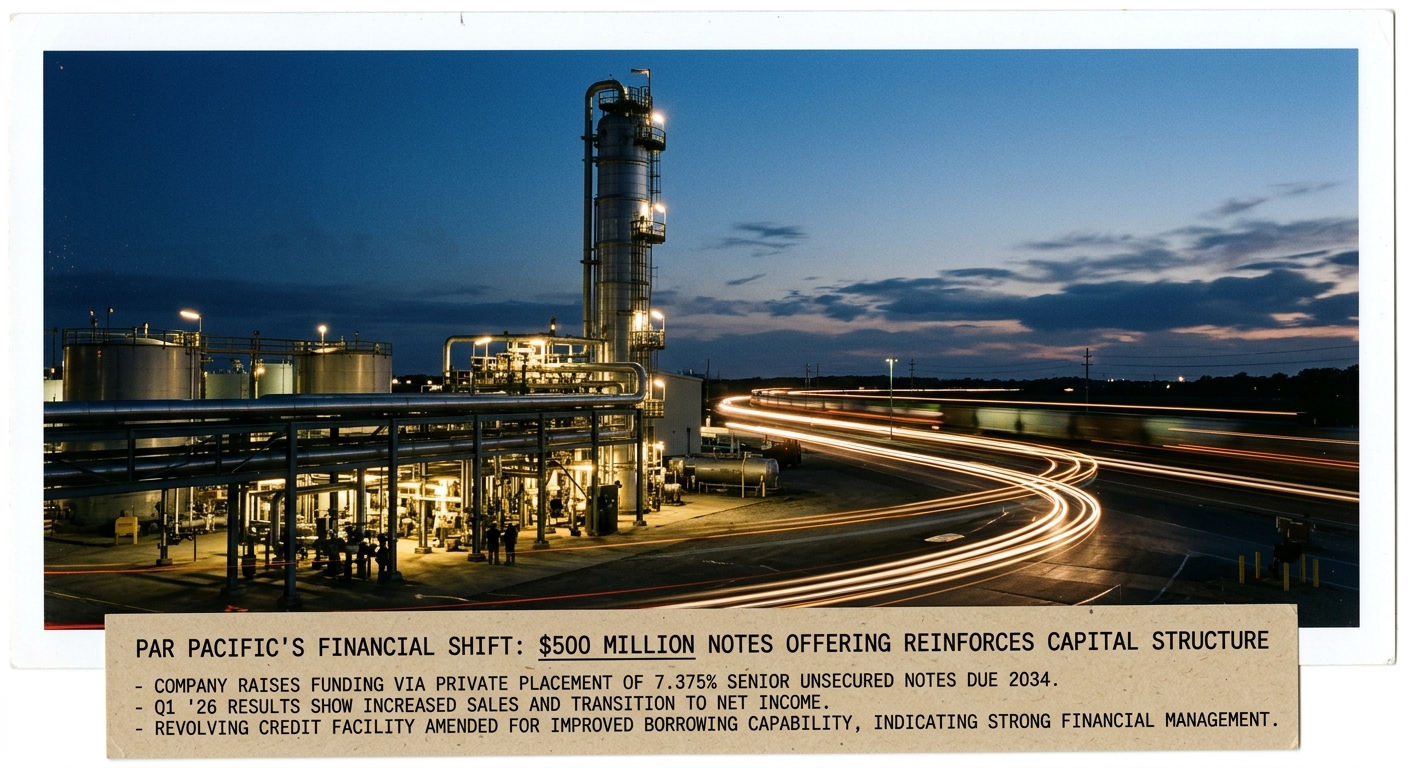
Par Pacific Strengthens Capital Structure with $500 Million Notes Offering and Improved Financial Performance
Par Pacific Holdings, Inc. has recently strengthened its capital structure by completing a $500 million private placement of 7.375% senior unsecured notes, which are set to mature on June 1, 2034. Thi…
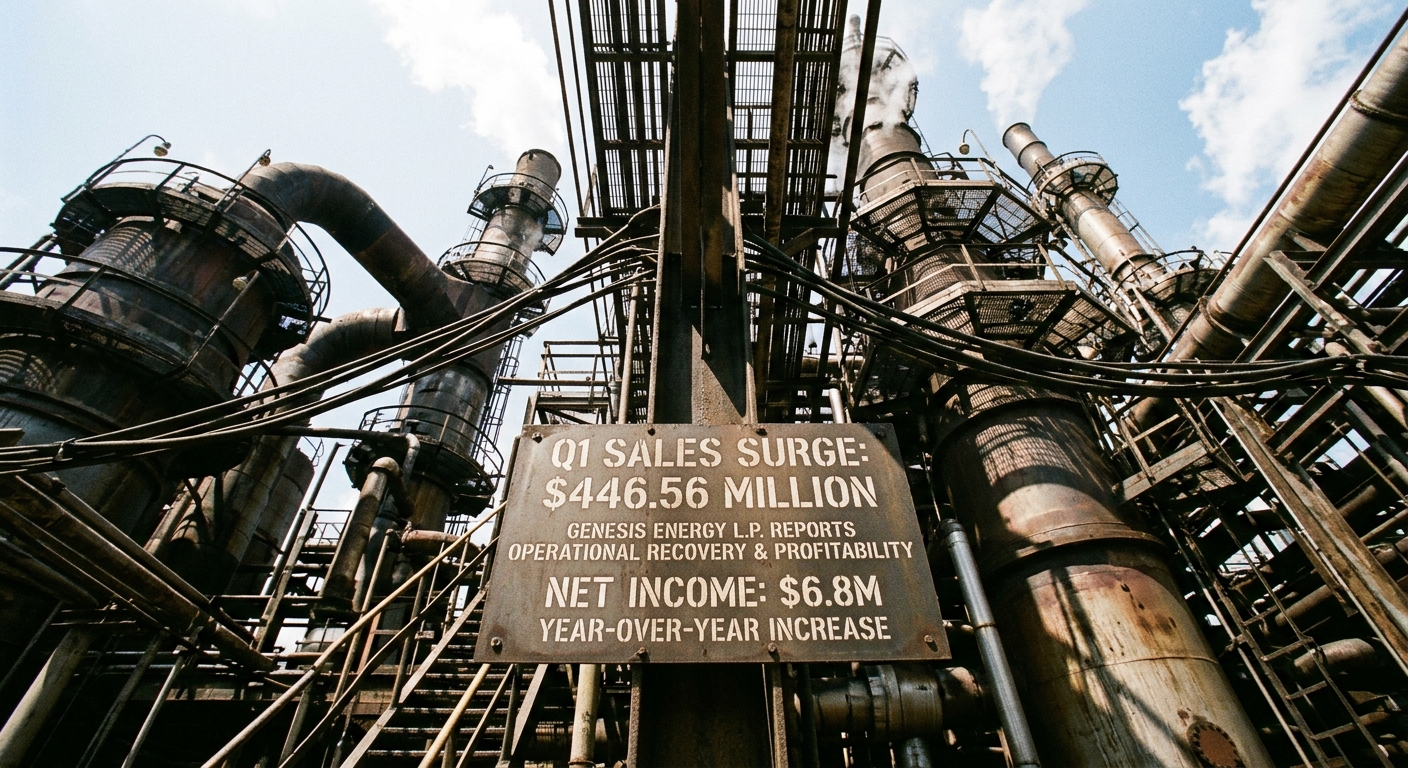
Genesis Energy L.P. Reports Q1 Profitability Surge with $446.56 Million in Sales
Genesis Energy L.P. (Ticker: UNDEFINED) announces its first-quarter financial results, signaling a resurgence in profitability and operational performance. The company reports total sales of $446.56 m…

Nordic American Tankers Finalizes New Leasing Contracts to Strengthen Cash Position and Dividends.
Nordic American Tankers (Ticker: NAT) has recently marked a significant milestone by finalizing multiple new vessel leasing contracts in a favorable tanker market. This strategic move is aimed at rein…