
Hyperscalers' multi‑year AI buildout puts Microsoft at center of GPU, data‑centre race
- Microsoft expands Azure, integrates Nvidia models, and pursues partnerships and custom chips to host enterprise AI services.
- Microsoft accelerates data‑centre selection, specialized procurement, and software optimisation to scale GPU workloads efficiently.
- Microsoft embeds AI into enterprise products and Azure, monetising compute while managing sustainability and defence‑use ethics.
Hyperscalers push a multi‑year AI infrastructure buildout with Microsoft squarely in the mix
Big cloud providers are escalating capital spending to build AI compute capacity and Microsoft is central to that industry shift, as hyperscalers race to deploy GPUs, custom accelerators and new data centres to host large language models and generative AI services. Amazon’s shock $200 billion capex guide crystallises the scale of the effort and mirrors plans by Alphabet and Meta, underscoring a sector‑wide pivot from software‑only investment to heavy hardware and facility spending that directly affects Azure, AWS and Google Cloud operations. Microsoft is adapting by expanding Azure’s capacity, integrating Nvidia‑powered models into enterprise software, and pursuing partnerships and custom chip strategies to support customer demand for hosted AI services.
The buildout pressures operational and engineering teams across cloud platforms as they balance rapid capacity deployment with energy, cooling and networking requirements that are far more intense than traditional web workloads. For Microsoft, this means accelerating data centre site selection, procurement of specialized racks and interconnects, and extending software stacks to optimise AI workloads for cost and latency. The company’s experience delivering enterprise software gives it an advantage in packaging AI capabilities into productivity and cloud offerings, but it also faces the operational complexity of scaling GPU farms, managing supply chains for accelerators, and ensuring reliability for latency‑sensitive business customers.
Longer term, hyperscalers expect the compute investment to reshape product roadmaps and margins rather than simply add capacity. Microsoft’s strategy focuses on embedding AI into core enterprise products and Azure platform services to capture downstream monetisation as compute becomes more abundant, while also managing energy and sustainability targets tied to massive data‑centre expansion. The company’s dual role as a cloud provider and enterprise software vendor positions it to convert infrastructure spending into differentiated services, but success depends on software optimisation, partner ecosystems and predictable customer adoption of AI workloads.
GPU demand and supplier constraints tighten
Nvidia and other chipmakers report nearly full utilisation of prior‑generation accelerators, forcing cloud providers including Microsoft to secure scarce inventory and plan around multi‑year supply cycles. The tight market also accelerates investment in custom silicon and software optimisations to extract more performance per watt.
Battlefield tests spotlight enterprise and defence AI links
Field exercises and war‑tech trials in Ukraine and U.S. drills put Microsoft‑stack software and partner platforms into scenarios testing real‑time AI planning and command tools, raising questions about ethics, oversight and the company’s role as military customers adopt algorithmic decision aids.
Related Cashu News
GDS Holdings Sees Strong Growth Amid Rising AI-Driven Data Center Demand
GDS Holdings demonstrates strong momentum in its data center operations, particularly as artificial intelligence (AI) adoption accelerates. Recently, the company has reported a significant uptick in b…
Q2 Holdings Positioned to Capitalize on AI Opportunities in the SaaS Industry
Q2 Holdings (Ticker: QTWO) is poised to leverage emerging opportunities in the AI-driven landscape of the SaaS industry. Investor apprehensions regarding the disruptive potential of artificial intelli…
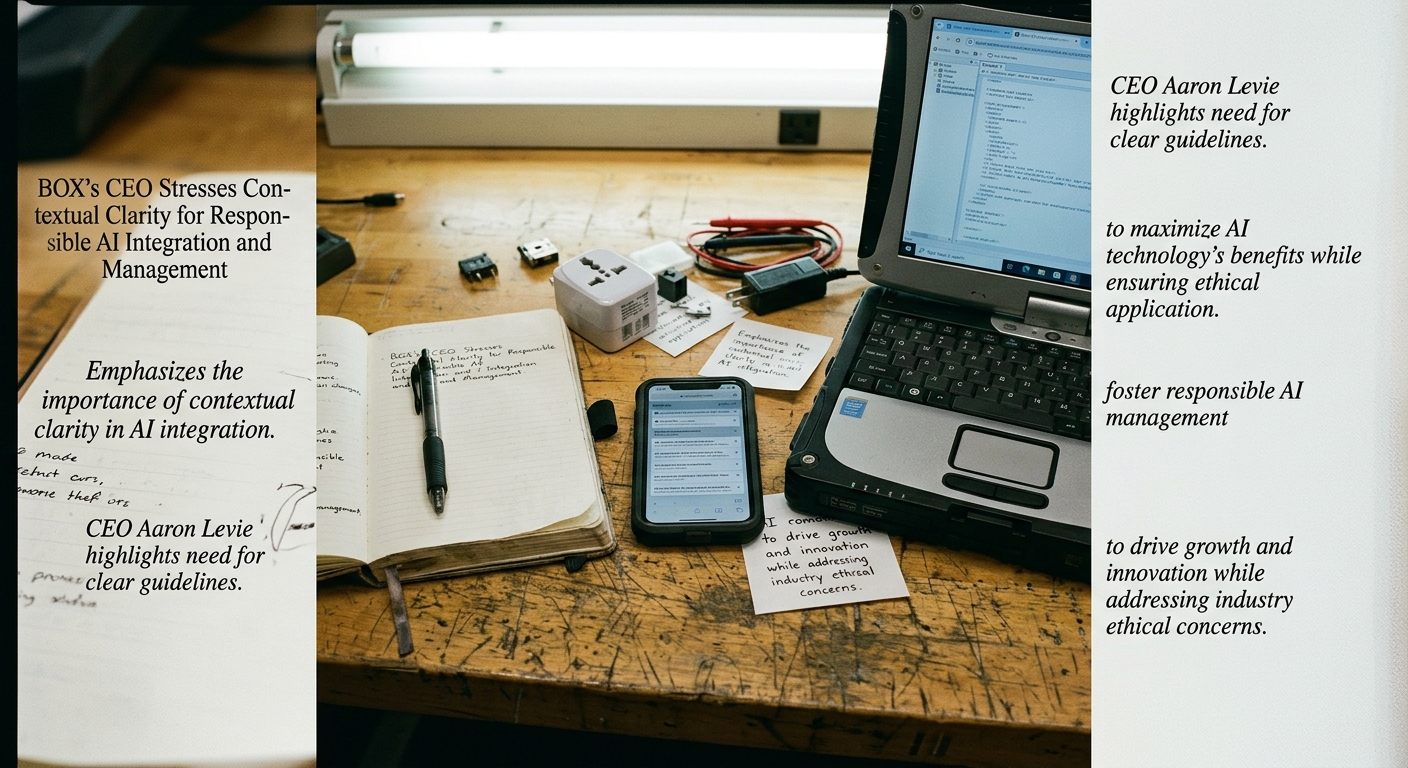
Box's CEO Stresses Contextual Clarity for Responsible AI Integration and Management
Box emphasizes the importance of context in AI integration, as outlined by CEO Aaron Levie during a recent address. His insights bring attention to the challenges companies face as they implement AI a…
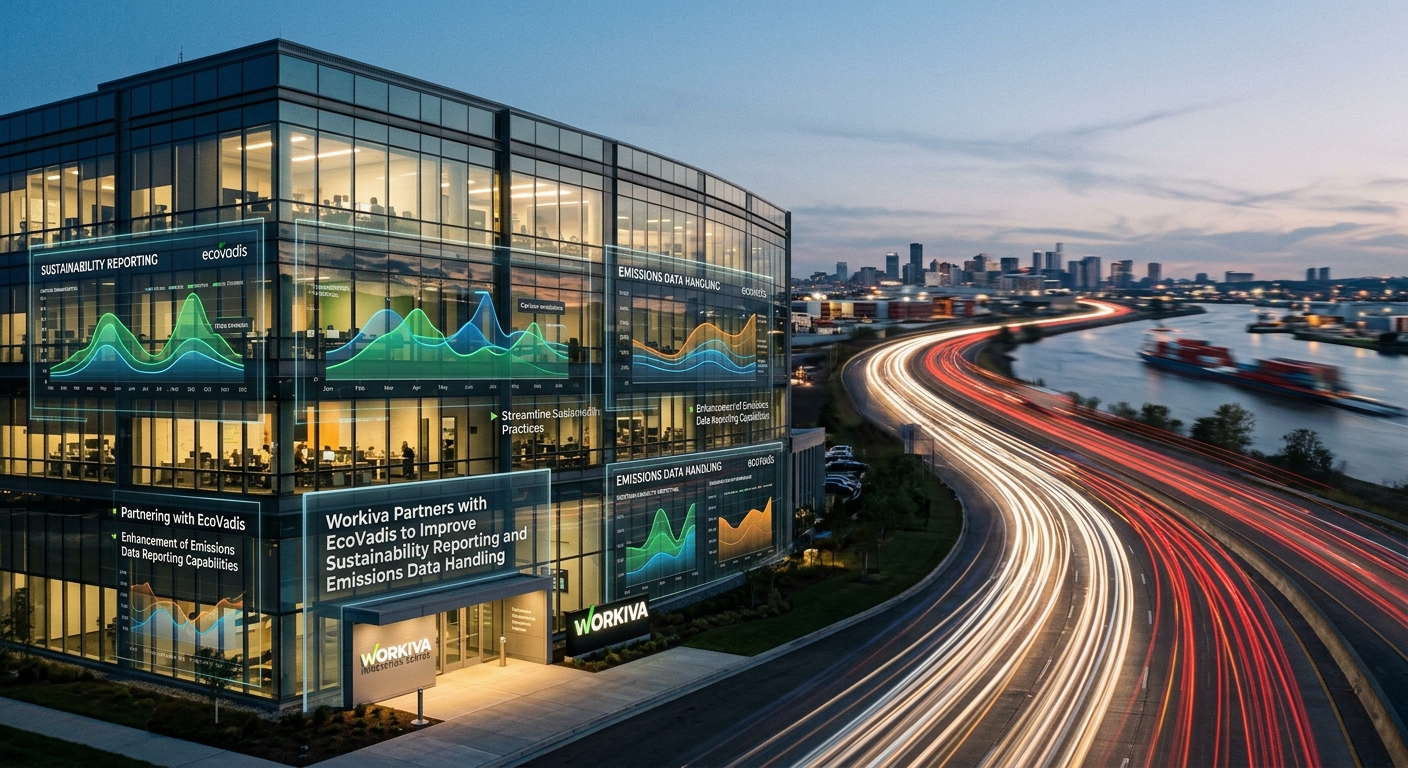
Workiva Partners with EcoVadis to Improve Sustainability Reporting and Emissions Data Handling
Workiva Inc (Ticker: UNDEFINED) has recently announced a significant partnership with EcoVadis, a leading provider of sustainability ratings for suppliers. This collaboration seeks to integrate EcoVad…