
Impact of Iran Conflict on Global Energy Security and Marathon Petroleum's Strategic Response
- Marathon Petroleum closely monitors evolving geopolitical dynamics as they impact energy consumption and regulatory environments.
- The Iran conflict complicates logistics and pricing strategies for Marathon Petroleum due to global fuel availability constraints.
- Marathon Petroleum must swiftly adapt to regulatory changes and emerging consumption trends amid the ongoing energy crisis.
Global Energy Security in Turbulent Times: Navigating Challenges During the Iran War
As the conflict in Iran escalates, global energy markets face unprecedented upheaval, sparking a series of emergency measures across several nations. Countries such as China, Japan, South Korea, and India are implementing significant strategies to combat soaring fuel prices and looming shortages. This situation underscores the intricate ties between geopolitical dynamics and energy security, a concern that is particularly pertinent for major players like Marathon Petroleum. With a vast distribution network and extensive operational capabilities, Marathon Petroleum closely monitors these developments as they could reshape energy consumption patterns and regulatory environments.
China leads the charge in emergency measures by imposing an immediate ban on refined fuel exports, including gasoline, diesel, and aviation fuel. This decision, confirmed by the National Development and Reform Commission, aims to preserve domestic supplies amid escalating global demand and rising prices. The ripple effects of this ban resonate throughout international markets, raising concerns about shortages and increasing operational costs for energy companies. For Marathon Petroleum, which relies on a stable supply chain and predictable pricing, this situation complicates logistics and pricing strategies as global fuel availability becomes more constrained.
Japan and South Korea are also actively addressing the energy crisis through regulatory interventions. Japan contemplates a fuel price cap set at an average of 170 yen ($1.07) per liter, driven by fears that prices may surge to 200 yen. The country’s decision to release crude from its reserves underscores a desperate bid to stabilize the domestic market. Meanwhile, South Korea's President Lee Jae Myung has announced a price ceiling on petroleum to stabilize fluctuating fuel prices, a move likely to affect commercial interests and potentially impact partnerships with companies like Marathon Petroleum. The concerted efforts of these nations to ensure energy security highlight the urgency of adapting to an evolving geopolitical landscape, reflecting how energy disruptions can rapidly transcend national borders.
Beyond the immediate response to the crisis, nations are adopting creative measures to manage energy demand. Some countries have reinstated work-from-home policies, while others, like Thailand, encourage energy conservation through behavioral adjustments, such as using stairs instead of elevators. These strategies emphasize a broader recognition that the ongoing upheaval necessitates a collective response to ensure energy availability and sustainability. As Marathon Petroleum navigates these turbulent waters, understanding the long-term ramifications on supply chains and consumer behavior will be crucial for aligning business strategies with the shifting realities of global energy security.
In conclusion, the impact of the Iran war on global energy markets compels companies like Marathon Petroleum to adapt swiftly to regulatory changes and emerging trends in consumption. The ongoing crisis serves as a stark reminder of the vulnerability of energy supply chains, prompting a reevaluation of operational strategies in light of heightened geopolitical risks. As the industry continues to evolve, Marathon Petroleum's approach will be instrumental in responding to a landscape marked by uncertainty and interconnected challenges.
Related Cashu News
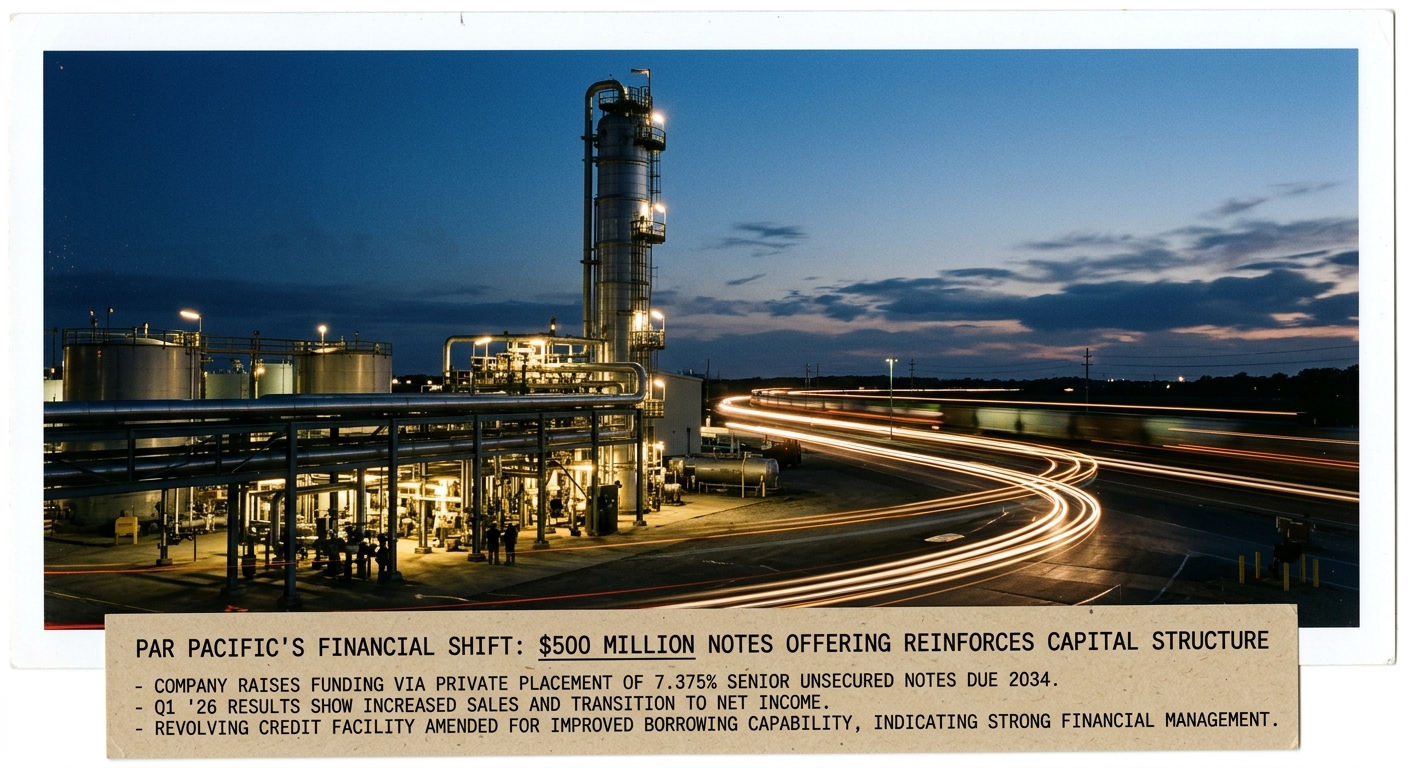
Par Pacific Strengthens Capital Structure with $500 Million Notes Offering and Improved Financial Performance
Par Pacific Holdings, Inc. has recently strengthened its capital structure by completing a $500 million private placement of 7.375% senior unsecured notes, which are set to mature on June 1, 2034. Thi…
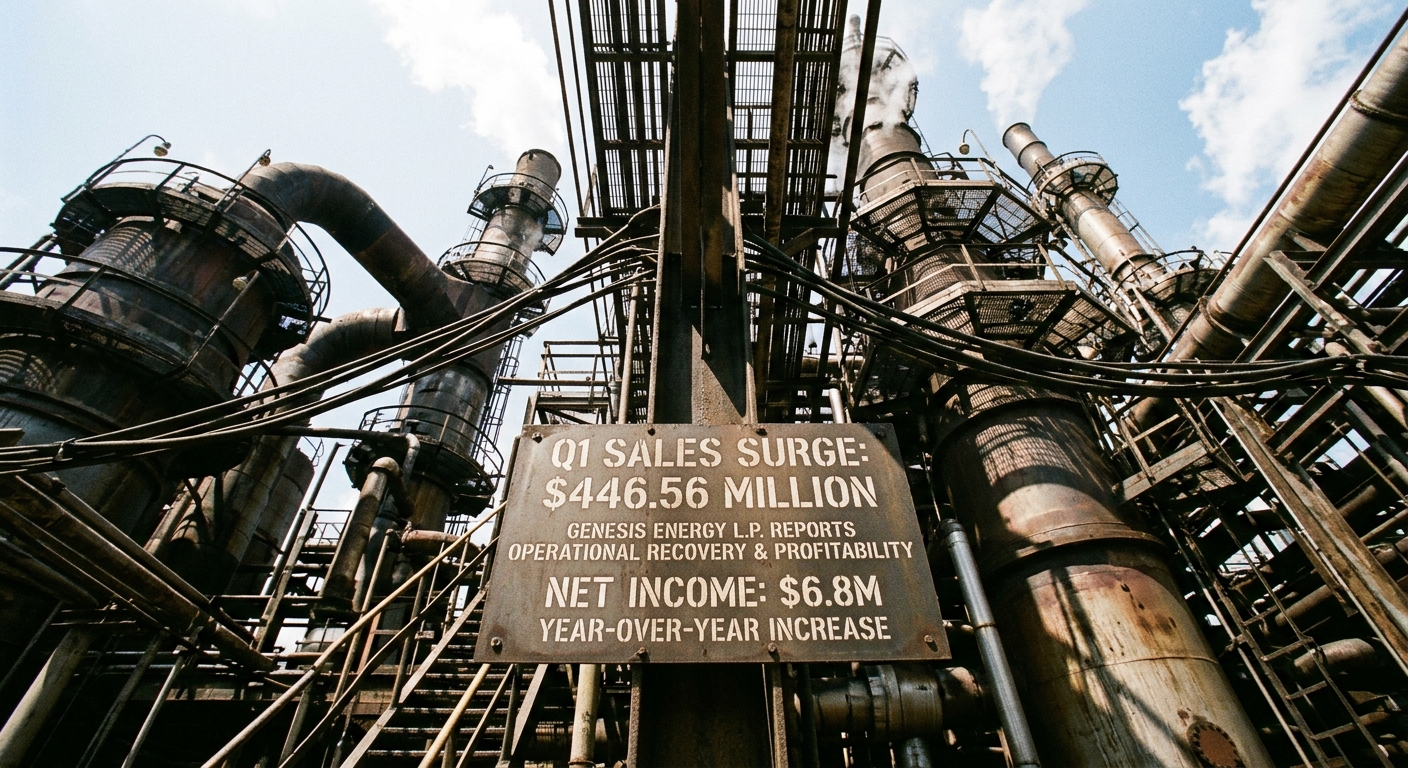
Genesis Energy L.P. Reports Q1 Profitability Surge with $446.56 Million in Sales
Genesis Energy L.P. (Ticker: UNDEFINED) announces its first-quarter financial results, signaling a resurgence in profitability and operational performance. The company reports total sales of $446.56 m…
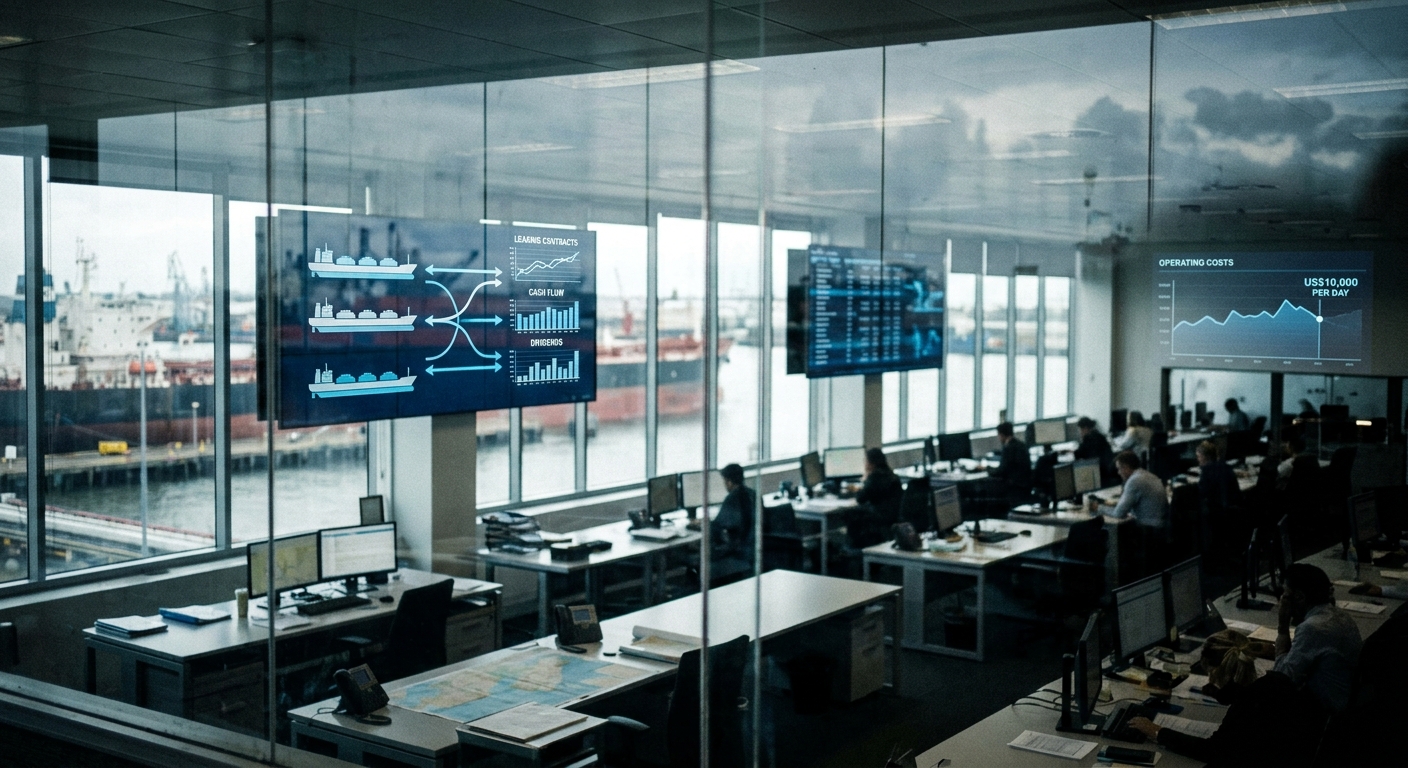
Nordic American Tankers Finalizes New Leasing Contracts to Strengthen Cash Position and Dividends.
Nordic American Tankers (Ticker: NAT) has recently marked a significant milestone by finalizing multiple new vessel leasing contracts in a favorable tanker market. This strategic move is aimed at rein…
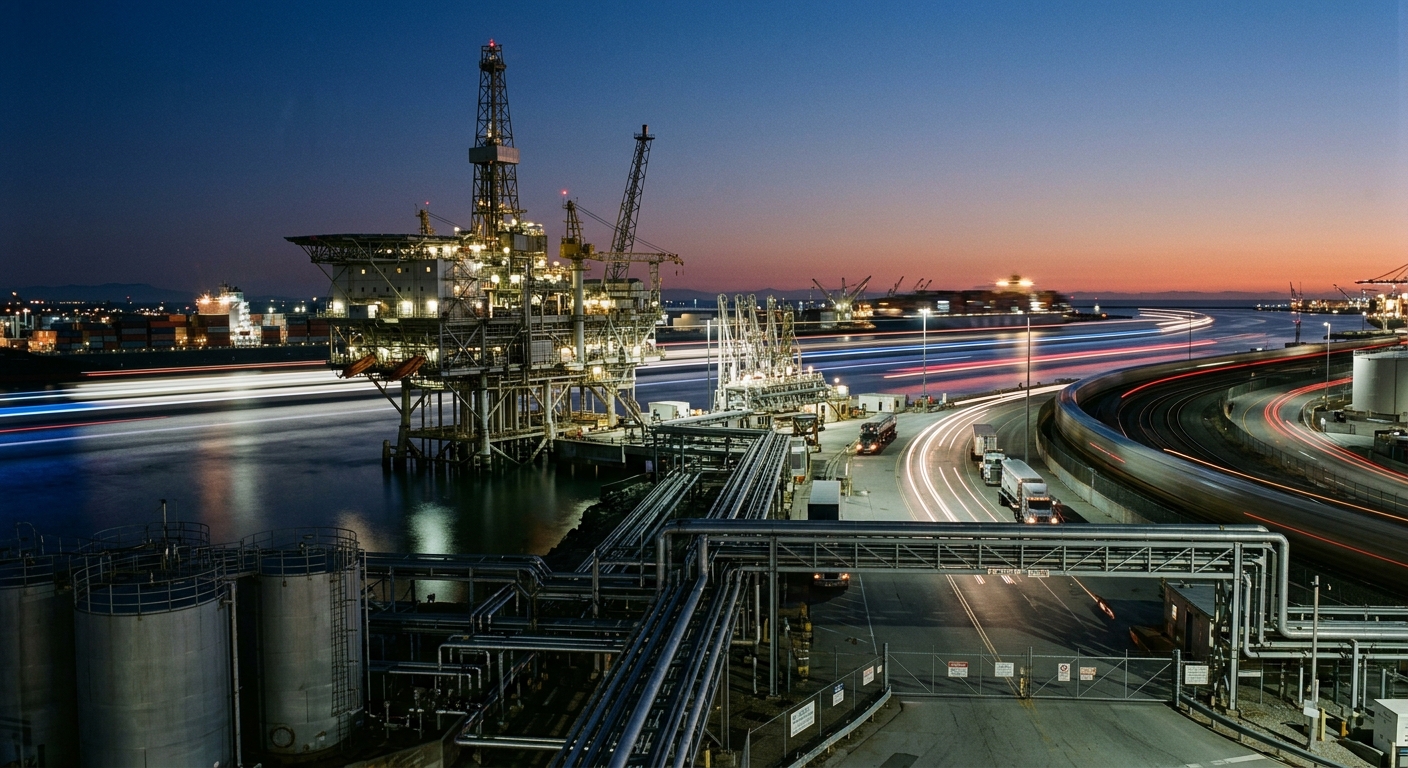
Marine Petroleum Trust Announces Quarterly Distribution Amid Fluctuating Energy Sector Conditions
Marine Petroleum Trust (Ticker: MARPS) announces a quarterly cash distribution of $0.096470 per unit, reflecting a decrease compared to prior distributions. This development highlights the trust's ong…