
Impact of Short Selling on Investor Sentiment and BNY Mellon's Market Strategy
- High short interest in BNY Mellon may indicate investor skepticism and affect operational strategies and decisions.
- Trends in short selling could influence BNY Mellon's market positioning and require strategic adaptations to reassure stakeholders.
- Monitoring short interest is crucial for BNY Mellon to manage stakeholder relationships and navigate market fluctuations effectively.
Short Selling and Its Implications for Market Dynamics in Banking
The significance of short interest as a reflection of investor sentiment cannot be underestimated, especially in the context of the banking sector. Short interest indicates the total number of shares that investors have sold short but have yet to repurchase. A high short interest ratio, expressed as a percentage of a company's float, often suggests that investors are bearish on the stock, anticipating a price decline. This condition can create a precarious environment as it might lead to increased market volatility. Such metrics highlight how investor behavior and sentiment can influence market dynamics, which is crucial for a financial institution like Bank of New York Mellon (BNY Mellon).
In the banking industry, understanding short interest can provide insight into consumer confidence. A high short interest could indicate that investors lack faith in the institution's performance, which could impact its operational decisions and strategic goals. For BNY Mellon, recognizing the levels of short interest in its stock becomes essential not just for internal assessments but also for understanding broader market perceptions. If and when investor confidence shifts, actions might be required to reassure stakeholders and restore trust, potentially leading to strategic adaptations in its service offerings or asset management practices.
Furthermore, the emergence of trends in short selling can have ripple effects throughout the market. Other financial institutions might observe similar behaviors in their stocks, raising concerns regarding a potential short squeeze, which occurs when rising prices force short sellers to buy back shares at higher prices. This sudden influx of demand can exacerbate price movements, transforming insights derived from short interest into a tactical tool for managing risk. Consequently, as BNY Mellon navigates its market positioning, awareness of short interest trends can help shape both its investor relations strategies and service delivery approaches in a rapidly changing financial landscape.
While short interest plays a pivotal role for institutional investors, it also serves as a valuable indicator for BNY Mellon’s stakeholders. The banking sector often witnesses fluctuations in investor sentiment that are distinct from other industries, creating unique implications for corporate governance. Monitoring these signals can be crucial for effectively managing stakeholder relationships and anticipating shifts within the market landscape.
In conclusion, the study of short interest is not merely an academic exercise but a vital component of strategic planning for financial institutions like BNY Mellon. A high short interest can reflect underlying market anxieties or potential inefficiencies, warranting careful scrutiny. By remaining attuned to these dynamics, BNY Mellon can enhance its decision-making capabilities in a complex and often unpredictable financial environment.
Related Cashu News

Blackstone Mortgage Trust Launches $450 Million Senior Secured Notes for Financial Stability
Blackstone Mortgage Trust (Ticker: UNDEFINED) has initiated a private offering of US$450 million in senior secured notes due in 2031, marking a strategic move to strengthen its capital structure. This…
![AllianceBernstein Partners with Brookfield and Carlyle to Launch ABC [ONE] Retirement Solution.](https://firebasestorage.googleapis.com/v0/b/cashuapplication.appspot.com/o/cashuNewsData%2Fe612a612bbd7a184b952afc6b0cafecacfe232d3%2Fnews_e612a612bbd7a184b952afc6b0cafecacfe232d3.png?alt=media&token=019545694f4417154e316de7809f1ae8)
AllianceBernstein Partners with Brookfield and Carlyle to Launch ABC [ONE] Retirement Solution.
AllianceBernstein Holding L.P. (Ticker: UNDEFINED) collaborates with Brookfield Asset Management and Carlyle to launch an innovative retirement solution, ABC [ONE], aimed at enhancing asset class dive…
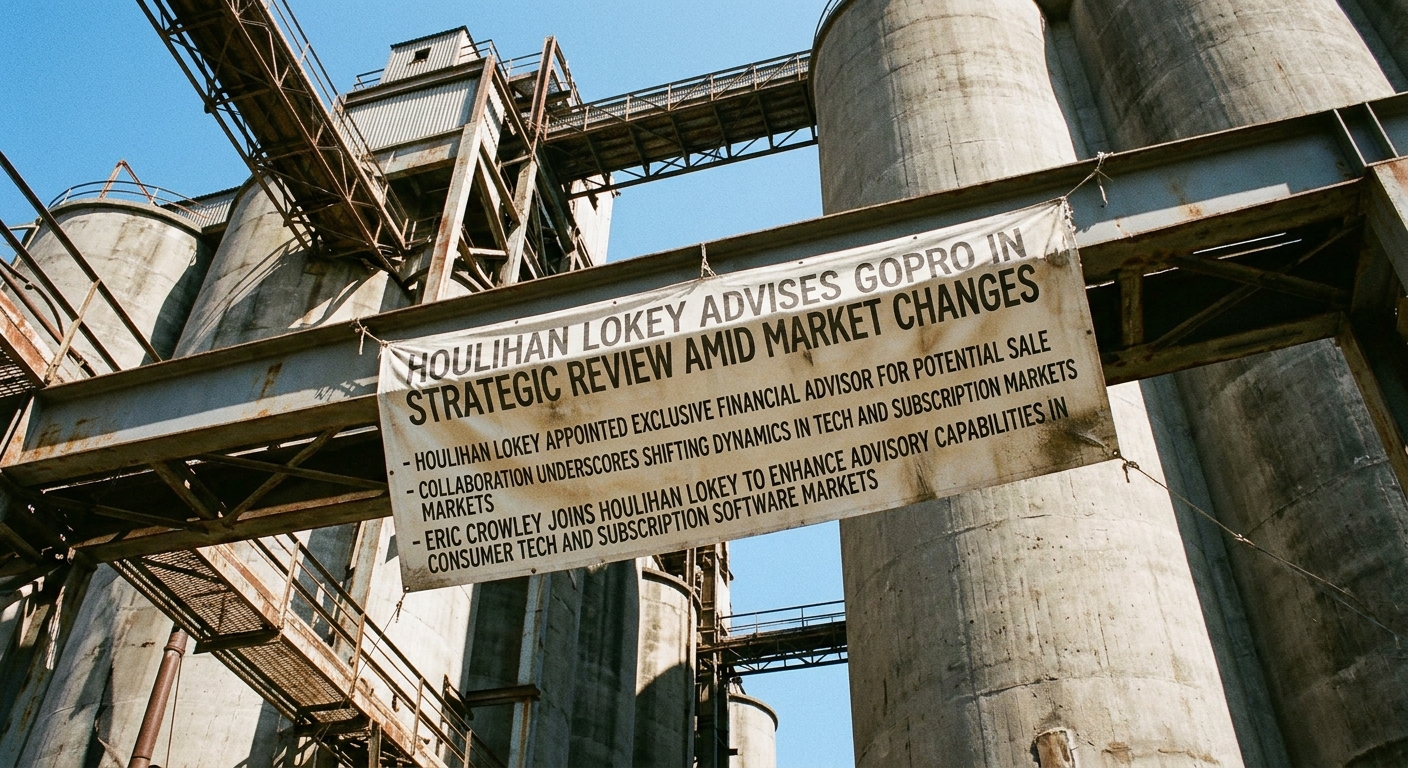
Houlihan Lokey Advises GoPro in Strategic Review Amid Market Changes
Houlihan Lokey (Ticker: HLI) has recently been appointed as the exclusive financial advisor to GoPro, a well-known consumer electronics company. This appointment marks a pivotal moment as GoPro embark…

Federated Hermes Announces Steve Chiavarone as New Chief Investment Officer for Global Equities
Federated Hermes, Inc. (Ticker: UNDEFINED) undergoes a pivotal leadership transition with the appointment of Steve Chiavarone, CFA, as its new Chief Investment Officer for Global Equities, effective S…